
Sandringham residents with back, neck, or joint pain usually need more than a relaxing rub-down. For 10,926 usual residents in 4,922 dwellings, with a median age of 47 years, the local need is often about stiffness, mobility, and keeping up with daily life, not just unwinding for an hour (Sandringham census profile).
A gentle, clinically assessed approach suits that reality. For Sandringham residents seeking relief from chronic back, neck, or joint pain, therapeutic osteopathic massage at Bayside Osteopathic Health provides clinically assessed, gentle soft-tissue treatment designed to address root causes rather than just symptoms.
Table of Contents
- Finding the Right Massage Therapist in Sandringham
- How Osteopathic Massage Differs From a Standard Spa Treatment
- Conditions Treated With Therapeutic Massage in Sandringham
- Soft-Tissue Techniques Used During Your Session
- What to Expect During Your First Visit
- Medicare Options, Pricing and How to Book
- Why Sandringham Residents Choose Bayside Osteopathic Health
- Frequently Asked Questions About Osteopathic Massage
Finding the Right Massage Therapist in Sandringham
A Sandringham office worker often notices the same thing on a Monday morning. They stand up from a desk chair, their lower back catches, and the stiffness that eased over the weekend returns before lunch. Stretching helps for a few hours. A heating pad may help overnight, and a spa massage can feel pleasant, but the same pattern keeps coming back.
That is usually the point where people start looking for massage – Sandringham options that are more clinical than cosmetic. Bayside Osteopathic Health works from a whole-body assessment rather than treating one sore spot in isolation, which matters when pain is being driven by posture, load, or joint restriction elsewhere.
Practical rule: if the same pain keeps returning after rest, the problem is usually bigger than tight muscle tissue alone.
Sandringham's local profile also points to a community that often needs hands-on care that fits around work, family, and long-term aches. As noted in the Sandringham census profile, the suburb has a mature population and household incomes that suggest many residents are weighing value, not just comfort, when they choose treatment. For older adults and working residents alike, the question is whether the session changes how the body moves day to day.
A good therapist should explain what they found, why a certain area is being treated, and what you can do between appointments. If that conversation never happens, you are probably paying for relaxation rather than recovery.
How Osteopathic Massage Differs From a Standard Spa Treatment
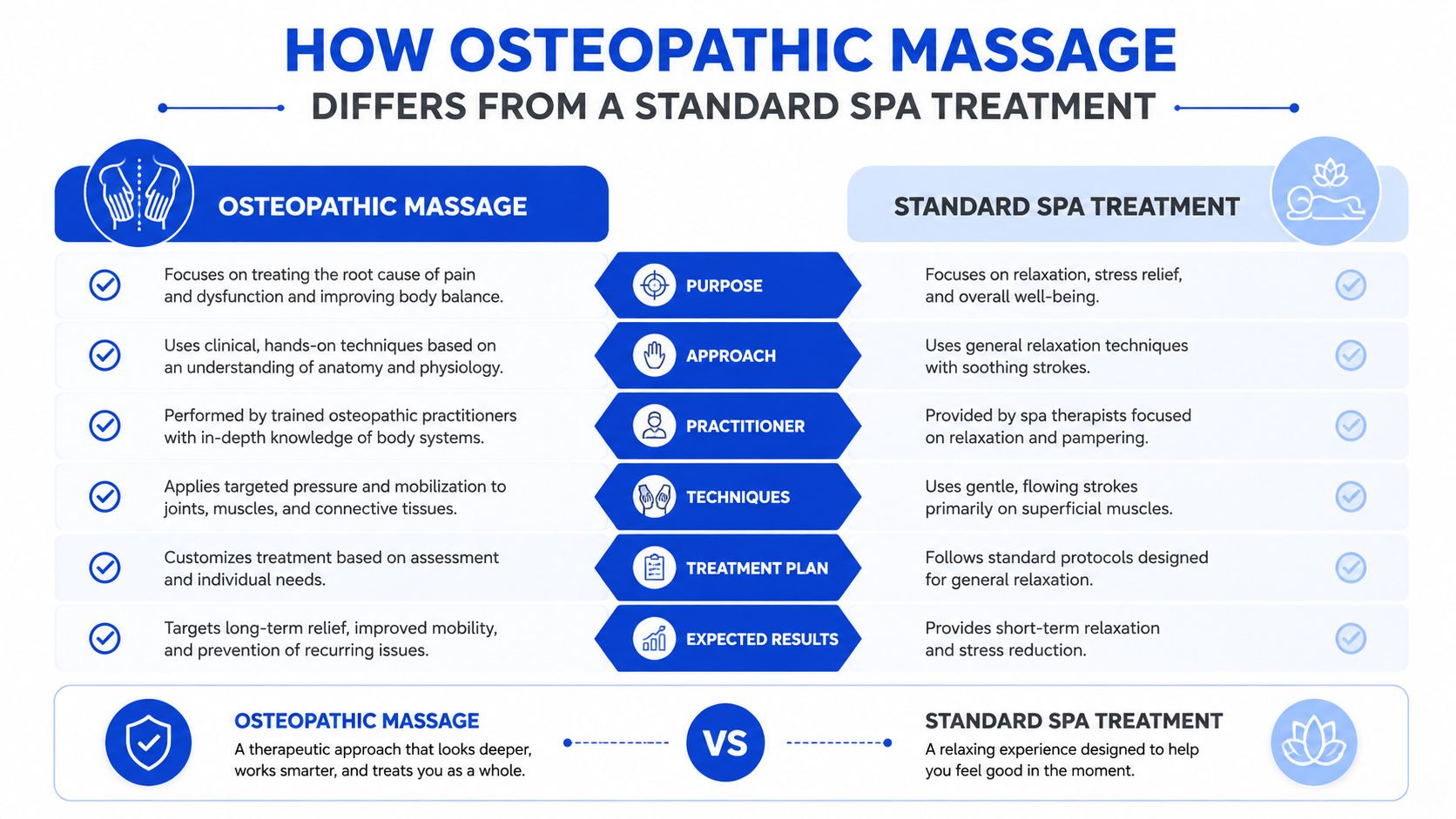
A spa massage can leave you relaxed and looser for the day. Osteopathic soft-tissue treatment is built to answer a different question, why does the pain keep returning, and what is keeping the body irritated in the first place?
The difference starts with the assessment. A spa therapist may ask about pressure preferences and sore areas, then work through the tissues that feel tight. An osteopathic practitioner looks at posture, movement, load, and the way different regions of the body are compensating for each other. That wider view matters when the neck, back, or shoulder is reacting to stiffness somewhere else, or to repeated strain from work and daily routines.
Clinical assessment changes the session
In an osteopathic appointment, the focus is not just on the site of pain. I want to see how you sit, stand, turn, bend, and load one side against the other, because pain often shows up away from the original driver. A tight neck may be linked to thoracic stiffness, shoulder loading, or desk posture rather than the neck alone.
That changes the treatment plan. If a person arrives with shoulder pain, the session may include soft-tissue work around the shoulder, but it may also involve the upper back, rib cage, or postural patterns that are feeding the problem. The aim is to reduce irritation and improve movement, not just make one area feel temporarily calmer.
The technique follows the diagnosis
Standard massage usually follows a familiar relaxation pattern across broad muscle groups. Osteopathic massage is more selective. Pressure, angle, speed, and technique are chosen for the condition, the stage of irritation, and what the person can tolerate on the day. That makes it a better fit for chronic pain, postural strain, and recurring stiffness.
As noted in the national massage industry fact sheet, massage is commonly used for soreness, stiffness, chronic pain management, and injury recovery. That lines up with the kinds of musculoskeletal problems many Sandringham residents bring to treatment, especially when the same ache keeps returning after rest or general self-care.
Aftercare matters as much as the hands-on work
A spa treatment usually ends when you leave the table. Osteopathic care normally includes movement advice, pacing guidance, and simple self-care so the same strain does not rebuild overnight. That may mean changing how you sit, how you lift, or how you spread load across the week.
For people with more persistent issues, treatment is often about making the body easier to live in, not chasing a short-lived feeling of looseness. If you are deciding between a relaxing massage and clinically guided soft-tissue treatment, the key question is whether you want comfort alone or support for the pattern behind the pain.
Conditions Treated With Therapeutic Massage in Sandringham
Therapeutic soft-tissue care helps most when pain is tied to movement, posture, or repeated load. In Sandringham, that often shows up in people who sit for long stretches, drive regularly, lift at work, or have spent years working around the same sore areas. The body does not need to be severely injured before it starts guarding, tightening, and limiting movement.
A common local pattern is the office worker who arrives after months of neck tension, then mentions it is worse after the commute and better after a walk along the foreshore. Another is the parent carrying a child on the same hip, or the retired resident who has stopped golfing or gardening because one shoulder has become difficult to use. Those details matter, because the pain pattern often says more than the label on the ache.
Common patterns that respond well
- Persistent back pain: Often linked to sitting, repeated bending, or guarding after an old injury. Gentle tissue work can reduce protective tension so movement feels less stiff.
- Neck pain and headaches related to posture: Long hours on a laptop or phone can overload the upper spine and surrounding soft tissue. A clinical assessment helps decide whether the neck is the main problem or part of a bigger chain.
- Joint stiffness and arthritis-related discomfort: Careful soft-tissue treatment and mobility work can make movement less resistant without forcing irritated tissues.
- Postural strain from office work: As noted earlier, massage is commonly used for soreness, stiffness, spasm, chronic pain management, and injury recovery, which matches the sort of musculoskeletal complaints many Sandringham residents bring in.
A useful clue is whether the pain changes with position, rest, or load. If your back flares after prolonged sitting, your neck tightens after computer work, or your shoulders feel stuck by the end of the day, the problem is often about movement strategy as much as local soreness.
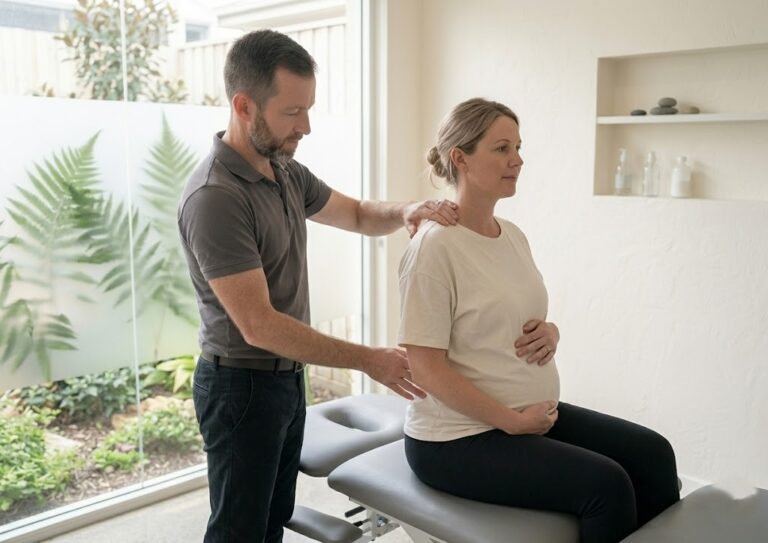
For some patients, a gentler and more guided approach is safer than a hard deep-tissue session. That matters for people whose symptoms settle and flare with daily demands, and it also matters in pregnancy, where posture and load change quickly. The postural support for pregnancy example reflects the same principle, soft tissue care should fit the body's current tolerance rather than force it.
Pain that keeps returning after the same routine usually needs a different strategy, not just more pressure.
Soft-Tissue Techniques Used During Your Session
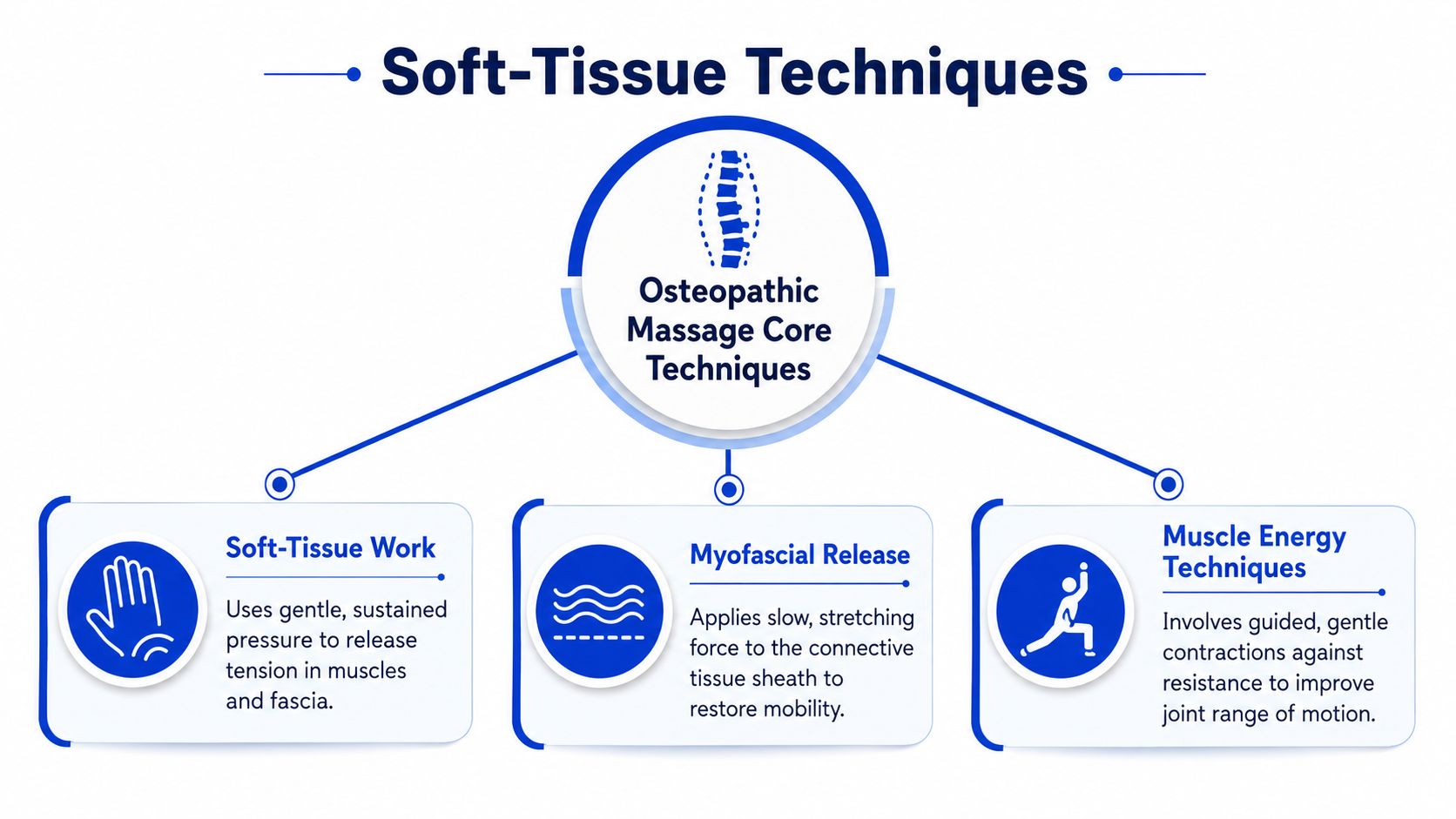
A good osteopathic session doesn't rely on one technique. The practitioner chooses from a small set of methods, then blends them depending on whether your body needs release, mobility, or better control around a stiff joint.
Soft-tissue work
This is the most familiar part of treatment for many people. It uses gentle, sustained pressure and stretching through muscle and fascia to reduce guarding and ease tension. Patients usually feel a slow softening rather than a sharp release.
Joint articulation
Joint articulation uses controlled movement through a joint's available range. The aim is to restore motion without force. That can be especially useful when the issue is stiffness more than pain, because the joint is encouraged to move properly again without provoking a flare.
Gentle mobilisation
Mobilisation is a light, rhythmic approach used to improve movement confidence and reduce pain sensitivity around irritated areas. It's often the right choice for older adults, people with chronic discomfort, and anyone who reacts badly to aggressive pressure.
The muscle therapy reference image fits this clinical style well, because the work is targeted rather than random. The point isn't to “smash through” tension. It's to change how the tissues and joints are sharing load.
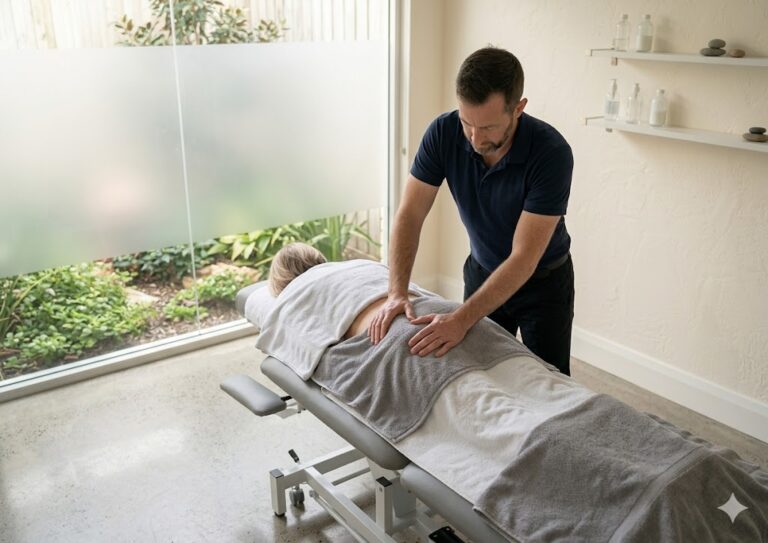
If you've only ever had sports-style deep tissue massage, this may feel noticeably gentler. That's deliberate. Long-term improvement usually comes from the right dose of pressure, not the most forceful one available.
What to Expect During Your First Visit
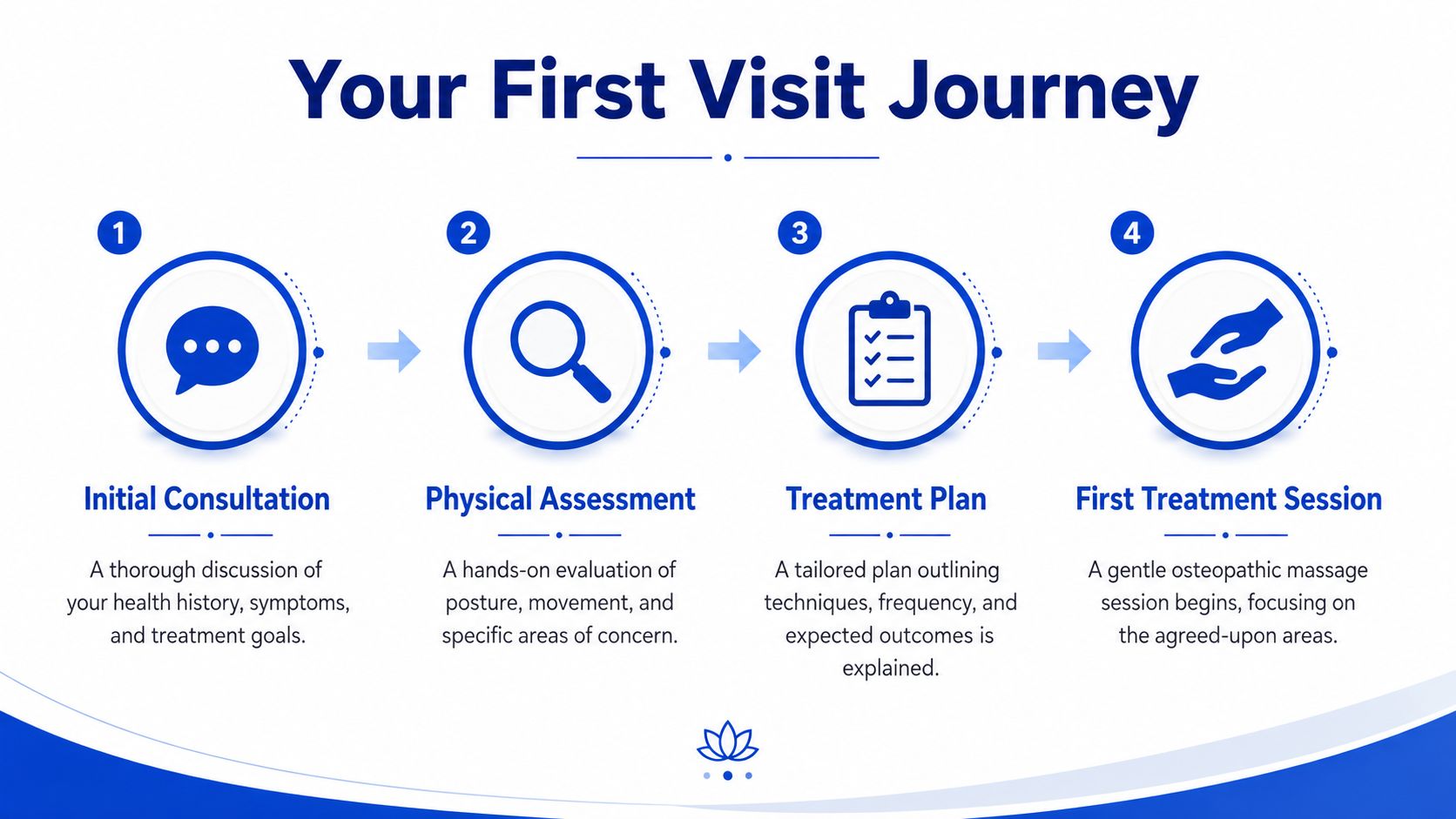
Most first appointments feel less mysterious once you know the sequence. The visit usually begins with a conversation about your symptoms, medical history, work setup, activity levels, and what makes the pain better or worse. That gives the practitioner context before any hands-on work starts.
Step 1, consultation and history
You'll be asked about the pain itself, but also about sleep, exercise, sitting time, and any old injuries. Those details matter because a back that stiffens after gardening behaves differently from one that tightens after long hours at a laptop. The goal is to find the load pattern, not just the sore spot.
Step 2, movement assessment
Next comes a physical assessment. You may be asked to stand, bend, rotate, or perform simple motions that show how the spine and joints are behaving under load. The clinician can see what your body does, not just what it says on paper.
Step 3, treatment plan
Once the findings are clear, the practitioner talks through what's happening and what the session is aiming to change. You should leave this part understanding the plan in plain language. If the explanation feels vague, ask for a clearer one.
Step 4, treatment and aftercare
Treatment usually happens on a padded table and should remain comfortable enough for you to speak up if anything feels too strong. Afterward, you'll often be given movement advice or simple home strategies to keep the area from tightening again.
Here's a short video that shows the feel of a clinical appointment style in practice.
The first session is less about “fixing everything” and more about starting the right pattern. If the plan makes sense and the treatment is tolerable, the next few visits usually build on that foundation.
Medicare Options, Pricing and How to Book
Most local massage services in Sandringham are private pay. Healthdirect's listings show local providers with fees apply, not bulk-billed care, so price, session length, and rebate eligibility usually matter when people decide whether to book (Healthdirect Sandringham listing).
Sandringham-area booking data also show a wide price spread for full-body massage, from A$45 to A$190 (Fresha Sandringham full-body massage listings). That range tells you more about the market than about value. Session duration, practitioner training, clinic overheads, and included techniques all change the final price, so it's smarter to compare what's included rather than chase the lowest number.
If you're thinking about Medicare, ask the clinic directly whether your situation may fit an eligible chronic disease management pathway. Rebates can depend on a doctor's referral and the way the care plan is set up, so it's better to confirm details before you book. The practical questions are simple, how long is the appointment, what does it cost, can you claim any rebate, and what kind of treatment will you receive?
For local bookings, Bayside Osteopathic Health offers a straightforward way to check availability and confirm the right appointment type before you commit. That matters if you're trying to fit treatment around work, family, or a flare-up that won't wait.
Why Sandringham Residents Choose Bayside Osteopathic Health
A lot of Sandringham people reach the point where simple relaxation is no longer the goal. They want treatment that helps with stiff shoulders, a stubborn lower back, or a neck that keeps tightening after work. As noted earlier in the Sandringham census profile, the suburb includes many residents who are living with long-term physical demands, and that usually changes what they look for in a clinic.
Bayside Osteopathic Health fits that need because the care is practical, not cosmetic. People who come here often want a therapist who looks at movement, listens to how the pain behaves across the week, and adjusts treatment to the person rather than running through the same routine every visit. That matters when you have already tried generic massage and found the relief did not last.
The difference shows up in the conversation before treatment starts. A good session should make room for the problem that brought you in, the work or home habits that keep aggravating it, and the trade-off between comfort on the day and progress over time. Some patients want the gentlest possible approach. Others need firmer soft-tissue work, but only if it is applied with enough judgment to avoid flaring them up.
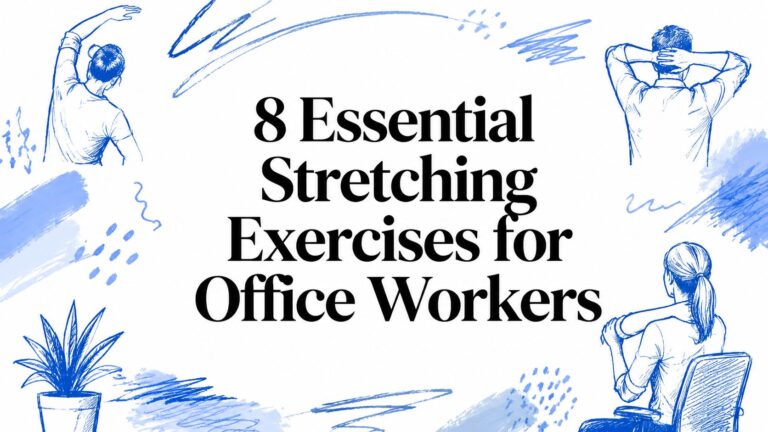
That approach also suits people who want to understand what their treatment is doing. If you live with repeated strain, you usually want more than a short-term reset. You want clearer movement, fewer flare-ups, and advice you can use at home, including simple mobility work such as the kind shown in this office-worker stretching guide.
For many locals, that balance is the primary reason they choose Bayside Osteopathic Health. The clinic sits between a spa-style massage and a purely exercise-based appointment, so patients get hands-on care with a more clinical eye. That is often the right fit for Sandringham residents who want steady, local treatment and clear guidance about what to do next.
Frequently Asked Questions About Osteopathic Massage
How many sessions will I need
There isn't a fixed number, because response depends on how long the issue has been there, how much load you're under, and whether the problem is simple or layered. Some people notice easier movement after one session, while others need a short run of appointments to change a long-standing pattern.
What should I wear and bring
Wear comfortable clothing that lets you move easily. If you have scans, reports, or referral letters, bring them along, and make sure you can describe what usually aggravates the pain. For office-related stiffness, this stretching reference can also help frame the kind of home care that may be discussed during treatment, office-worker stretching guidance.
Is it safe for older adults or arthritis
Yes, when the treatment is gentle, personalised, and based on a proper assessment. Older adults often benefit from a slower approach that respects joint tolerance, especially when stiffness, chronic pain, or reduced mobility are part of the picture. The wrong kind of treatment is the one that forces through pain or ignores the body's current limits.
How is this different from a remedial massage therapist
A remedial massage therapist works directly on soft tissue and may be a good fit for general muscle tightness or recovery. An osteopath adds a broader musculoskeletal assessment, which helps when pain is linked to posture, joint motion, or recurring strain patterns. If your pain keeps returning in the same place, that extra clinical layer is often the difference that matters.
If your back, neck, or joint pain keeps interrupting work, sleep, or simple movement, book a consult with Bayside Osteopathic Health and ask about a gentle osteopathic massage approach. The clinic can help you work through pain, stiffness, and movement limits with treatment that's practical, local, and shaped around what your body needs.