
You finish a long meeting with a sore jaw, a stiff neck and a headache sitting behind one eye. Perhaps the jaw started clicking first, then the ache appeared at the base of your skull. By evening, chewing feels tiring and you're wondering whether these symptoms are connected or whether several unrelated problems have arrived at once.
They often belong to the same working system. The upper cervical spine and TMJ share muscles, connective tissue and nerve pathways, so treating the jaw as an isolated hinge can miss an important part of the picture. This guide explains that relationship in plain language, then shows how a careful assessment, gentle osteopathic treatment and simple home habits can work together.
Table of Contents
- When Your Jaw and Neck Hurt at the Same Time
- The Anatomy That Connects Your Jaw and Neck
- Symptoms That Point to the Upper Cervical and TMJ Link
- What an Osteopathic Assessment Looks Like
- Gentle Osteopathic Techniques for the Upper Cervical Spine and TMJ
- Simple Self-Care and Exercises to Try at Home
- When It Is Time to Seek Professional Help
- Putting It All Together for Lasting Relief
When Your Jaw and Neck Hurt at the Same Time
A desk-based worker may notice the pattern gradually. During stressful meetings, they clench their teeth and hear a small jaw click. By lunchtime, there's a dull ache where the skull meets the neck. By evening, a tension headache spreads towards the temple. The symptoms may have appeared within a few weeks, but they're often linked by the way the head, jaw and neck share load.
The jaw joint, or temporomandibular joint, moves every time you speak, chew, yawn or swallow. The upper neck supports the head and helps orient the eyes, ears and face. When you lean towards a screen, brace your shoulders or clench your teeth, the muscles around both areas may work harder to keep the head and jaw steady.
Stress can amplify that workload. Some people clench during concentration or sleep, while others hold their jaw slightly forward or keep their tongue and teeth under constant pressure. A stiff upper neck can then change how the head sits over the shoulders, and the jaw muscles may tighten to help stabilise the whole arrangement.
The practical idea: jaw pain, neck tension and headache can be different expressions of one overloaded mechanical unit.
Australian clinical guidance describes TMD as musculoskeletal pain associated with jaw movement, chewing dysfunction, TMJ tenderness and neck stiffness or pain. That description supports assessing the cervico-mandibular region, rather than examining the jaw alone, as outlined in Australian guidance on temporomandibular dysfunction.
A connected approach doesn't mean every headache comes from the neck or every click needs treatment. It means the clinician asks better questions: how does the jaw open, how does the neck rotate, where do you hold tension, and what happens during work, sleep and eating? From there, care can focus on reducing irritation while restoring comfortable movement in both regions.
The Anatomy That Connects Your Jaw and Neck
Start at the top. Think of the skull as a small house that needs a stable foundation. The first neck vertebra, called the atlas or C1, sits underneath it and supports much of the head's weight. The second vertebra, the axis or C2, acts more like a pivot post, allowing the head and upper neck to rotate.
The TMJ sits just in front of each ear. It's the meeting point between the mandible, or lower jaw, and the temporal bone of the skull. Each side has a joint, but the two sides work together whenever the jaw opens, closes, slides forwards or moves side to side.
Muscles act like the connecting cables
The house-and-foundation analogy becomes more useful when you add cables. Muscles around the jaw, throat and neck attach across several regions. The masseter and temporalis help close the jaw, while the pterygoid muscles guide jaw movement. Other muscles connect the mandible and hyoid, a small bone in the front of the neck, with the cervical fascia and upper chest.
That arrangement allows tension to travel. A forward head position can increase demand on the muscles under the jaw. Clenching can increase activity through the face and temple, while the upper neck muscles brace to keep the head still. The result may feel like a jaw problem, a neck problem or both.
This posture and workplace ergonomics visual can help you recognise how desk habits may influence the head, neck and jaw as a group.
Shared nerve processing explains referred pain
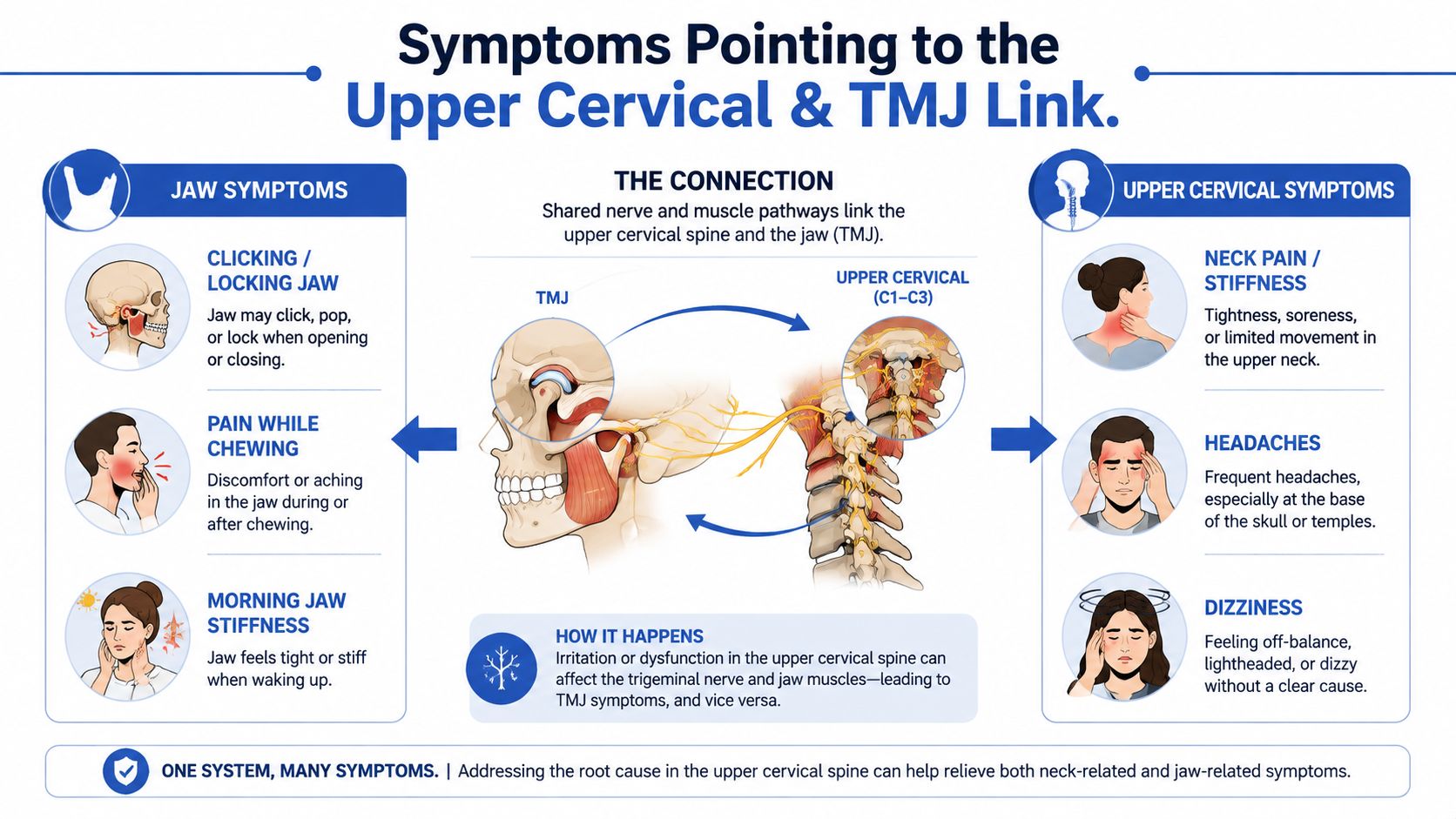
There's also a neurological connection. Sensory information from the trigeminal nerve, which serves much of the face and jaw, converges in the brainstem with sensory information from the upper cervical nerves. This area is often called the trigeminocervical nucleus.
Because those signals meet, the brain can have difficulty identifying the exact source of irritation. Sensitivity in the upper neck may be felt around the temple, eye or face. Irritation in the jaw may be accompanied by neck discomfort or a headache. This is one reason a painful area isn't always the place where the problem began.
The upper cervical spine usually refers to the occiput, C1 and C2, together with their small, highly mobile joints. These joints make subtle adjustments all day as you look, speak, chew and turn. When their movement or surrounding muscle control becomes strained, the jaw may become part of the compensation.
Symptoms That Point to the Upper Cervical and TMJ Link
You might notice a jaw click while eating, then feel a headache near the temple and stiffness when turning your head. Someone else may wake with facial tension and a tight neck, yet feel little jaw pain until breakfast. These patterns can seem unrelated, but the jaw and upper neck often work like connected parts of one support system.
Jaw signs
Clicking or popping can happen when the disc and lower jaw lose their usual timing. Muscles such as the lateral pterygoid can affect disc position and jaw movement, but sound alone does not show that the joint is damaged. Pay closer attention to pain, locking, reduced opening, or difficulty chewing.
Morning stiffness may follow overnight clenching or prolonged muscle activity. Chewing pain can involve the masseter, temporalis, pterygoids, or the joint itself. Symptoms may also be stronger on one side. Repeatedly chewing on one side, holding a phone there, or clenching more firmly on that side can keep the jaw and neck working unevenly.
Upper neck and head signs
Upper cervical involvement may feel like aching beneath the skull, reduced neck rotation, or tenderness in the small suboccipital muscles. These muscles lie between the skull base and upper cervical vertebrae, helping guide head position. If they remain active for too long, discomfort may travel towards the back of the head or behind the eye.
The shared nerve processing described earlier can make the source harder to identify. Temple pain, cheek or eye pressure, ear fullness, and ringing may appear with jaw or neck tension. Dental, ear, sinus, and neurological conditions can cause similar symptoms, so these signs should not automatically be labelled as TMJ-related. A proper assessment helps determine whether the jaw, neck, or another area needs attention.
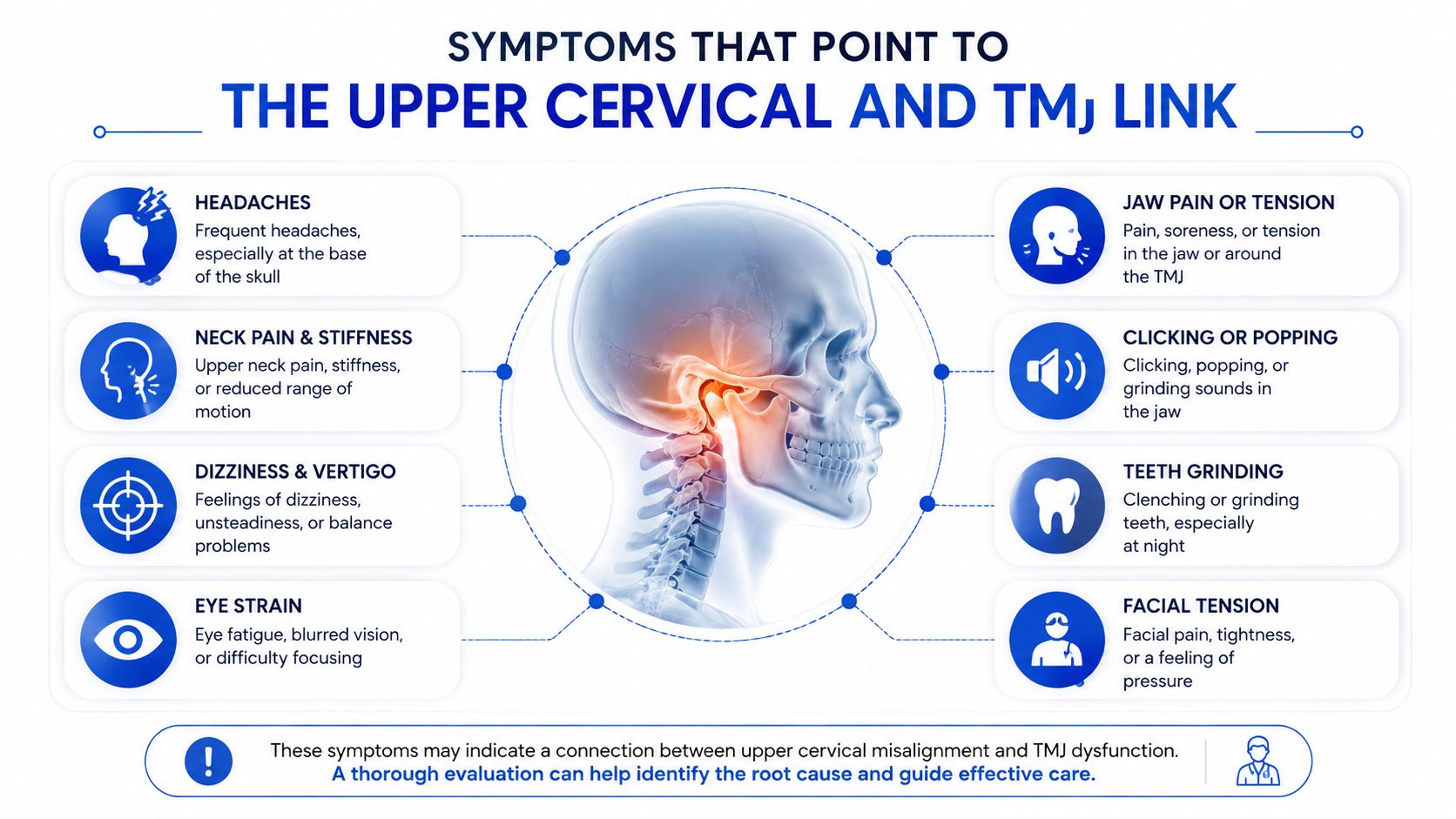
Pain felt in the jaw, ear, or temple can include a neck component, so assessment should consider both regions together.
Desk posture and bruxism can maintain the cycle. A forward-held head asks the upper neck to stabilise continuously, while clenching increases work for the jaw muscles. The body may then protect both areas as one zone, producing tension on both sides or a stronger pattern where the body does more work.
What an Osteopathic Assessment Looks Like
A first appointment should begin with your story, not with hands-on treatment. An osteopath may ask when the clicking began, whether the jaw locks, how you sleep, where headaches sit, what makes symptoms worse and whether work, stress or chewing changes the pattern.
You'll usually be asked to open and close your mouth slowly. The practitioner watches whether the jaw tracks straight, shifts to one side or moves with hesitation. They may also ask you to slide the jaw forwards and sideways, because those movements can reveal a different restriction from simple opening.
The examination stays gentle and purposeful
The osteopath may feel the masseter near the cheek, the temporalis at the side of the head and the muscles beneath the jaw. They'll assess for tenderness and protective tightening, but pressure should remain appropriate to your comfort.
Attention then moves to the neck. The practitioner may gently test rotation and nodding, assess the small joints around the occiput, C1 and C2, and examine the suboccipital muscles. The shoulders, upper back and breathing pattern may also be included, because they influence how the head is supported.
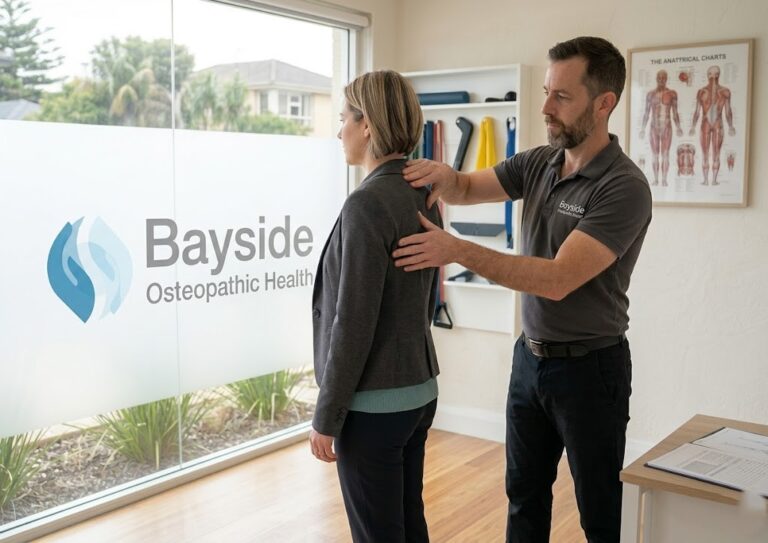
You can expect an explanation before each part of the examination. Nothing needs to be forced, and an intra-oral assessment, if considered useful, should only happen with your informed consent and clear communication. This example of hands-on clinical care gives a general sense of the calm, supported environment such care should provide.
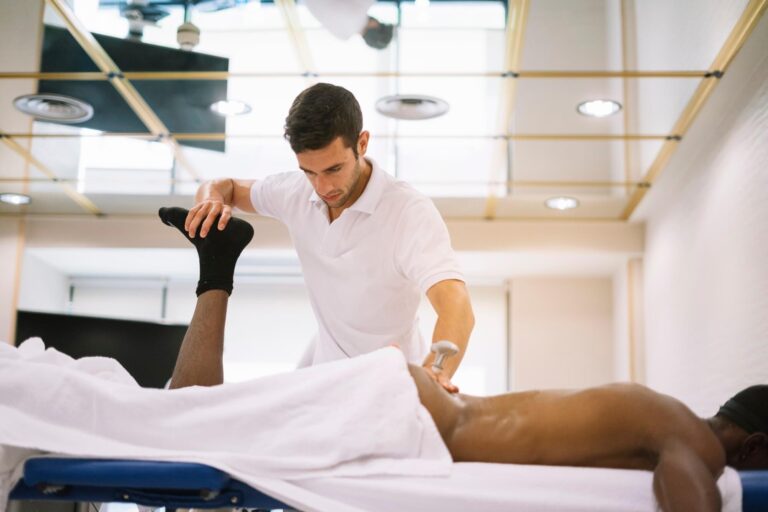
The outcome isn't always a single label. You may be told that the jaw is moving with muscle guarding, that the upper neck is contributing to headache sensitivity, or that symptoms need a dental, medical or imaging referral. A connected assessment improves the working plan because it separates manageable movement and muscle issues from signs that require another professional opinion.
Gentle Osteopathic Techniques for the Upper Cervical Spine and TMJ
Treatment depends on what the examination finds. An osteopath may begin with soft-tissue work around the suboccipital muscles, upper trapezius, masseter and temporalis. The purpose isn't to force a joint into place. It's to reduce protective guarding enough for the neck and jaw to move with less effort.
Gentle articulation may then be used around the upper cervical joints. This involves controlled movement through a comfortable range, with the practitioner monitoring your response. Some people also benefit from techniques that address the connective tissues around the jaw, hyoid and upper chest, especially when posture and breathing habits are part of the strain pattern.
The jaw may need direct treatment
When indicated, an osteopath may work around the TMJ and the muscles that guide the mandible. Balanced ligamentous tension techniques use very small adjustments and a sense of ease rather than strong pressure. Intra-oral work may be considered for selected muscles, but it should be explained carefully and adapted to the person's comfort and clinical needs.
The evidence for upper cervical treatment is encouraging but should be described objectively. An Australian summary of a systematic review on upper cervical mobilisation and TMJ symptoms reports that upper cervical mobilisation or manipulation may improve pain and mouth opening, while also noting that the effect may be imprecise and not clinically important.
That means neck treatment can be a reasonable part of a broader plan, but it isn't a guarantee and shouldn't replace appropriate dental or medical care. Home advice is layered on top of hands-on treatment, not offered as an excuse to ignore persistent pain, locking or suspected joint disease.
Simple Self-Care and Exercises to Try at Home
Small changes often work better than a demanding routine. Try these practices gently, and use your symptoms as feedback rather than pushing through discomfort.
Give the jaw a quieter resting position
Let your lips meet softly, keep the teeth slightly apart and rest the tongue lightly on the roof of the mouth behind the front teeth. This is a resting cue, not a position to hold rigidly. Check it during screen work, driving and concentration, when clenching can happen without conscious awareness.
Reduce upper neck bracing
For a slow chin tuck, sit comfortably and look straight ahead. Draw the chin backwards as though making a small double chin, without looking down, then release. Keep the movement light and controlled. If it creates sharp pain, dizziness or a stronger headache, stop.
Practise easy jaw tracking
Place the tongue gently on the roof of the mouth and open the jaw within a comfortable range. Close slowly, watching in a mirror if that helps you notice a sudden shift to one side. Don't chase a click or force a wider opening. The aim is calm coordination.
A mild upper trapezius or levator scapulae stretch can also reduce shoulder bracing. Let one shoulder soften while you gently tilt your head away, keeping the movement easy and breathing normally. Avoid pulling on the head.
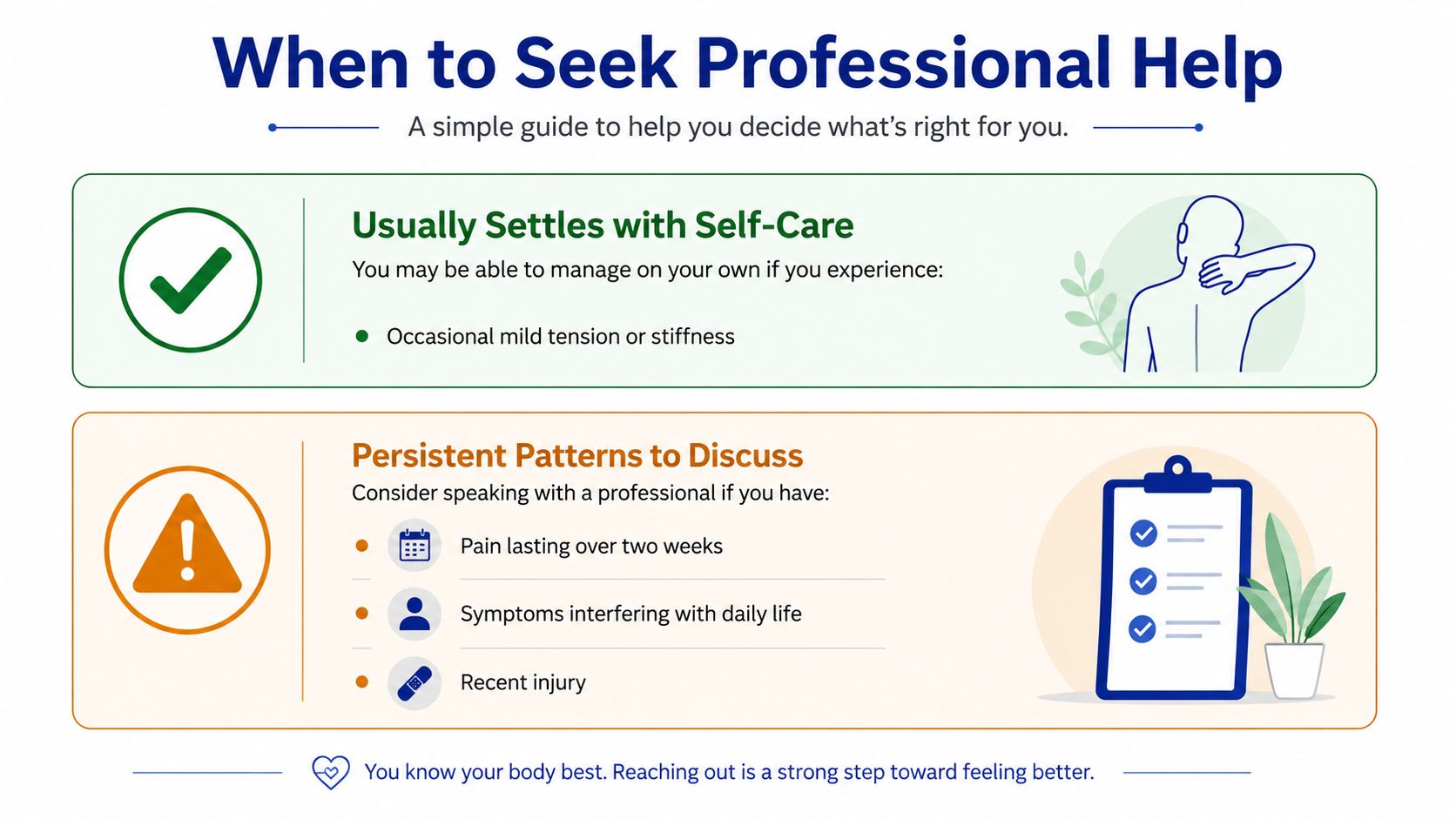
This rehabilitation exercise example illustrates the broader principle: exercises should be individualized, observed and adjusted rather than copied aggressively. Stop if you develop sharp pain, dizziness, facial symptoms or increased clicking with discomfort. These practices complement professional care when symptoms persist.
When It Is Time to Seek Professional Help
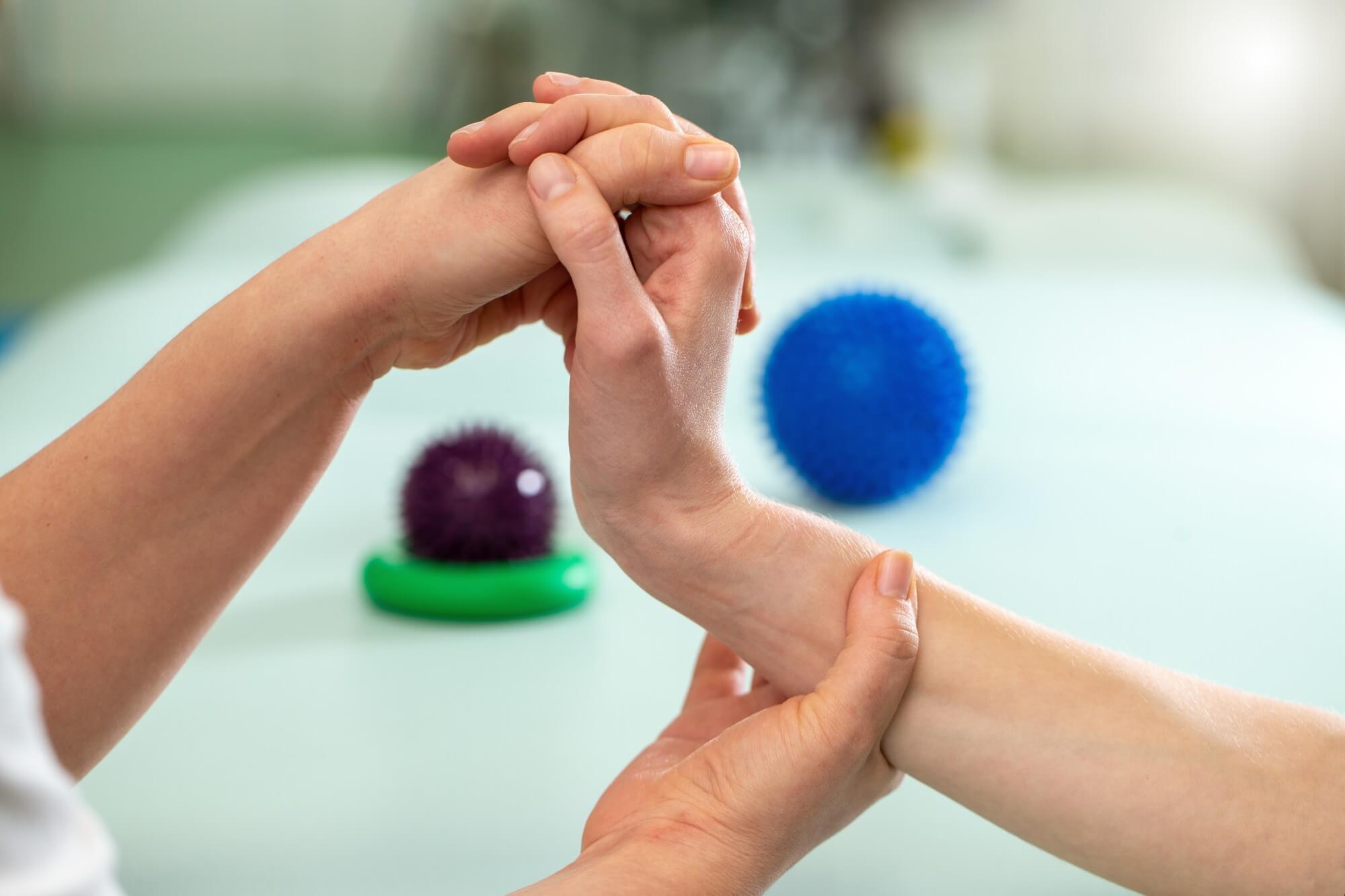
Mild tension after a long screen session or occasional morning stiffness may settle when you rest the jaw, vary your posture and move the neck gently. A persistent pattern deserves more attention, especially when it changes how you eat, sleep, work or concentrate.
Book an assessment when the jaw locks open or closed, clicking becomes painful, or opening becomes limited. Worsening headaches, a new headache pattern, ear fullness without an obvious infection and facial pain that continues beyond two weeks also warrant a clinician's review.
Choose the right level of care
A recent fall, whiplash or other injury with neck restriction should be assessed rather than managed only with home exercises. A dental professional may be appropriate when tooth pain, bite changes or suspected dental damage is present. Imaging and referral decisions depend on the examination and the suspected tissue involved.
Australian guidance identifies MRI as the gold standard for investigating TMD and notes that ultrasound isn't sensitive for intra-articular osteoarthritis, as described in this RACGP clinical discussion of temporomandibular dysfunction. That doesn't mean everyone with a click needs an MRI. It means imaging should follow a reasoned clinical question.
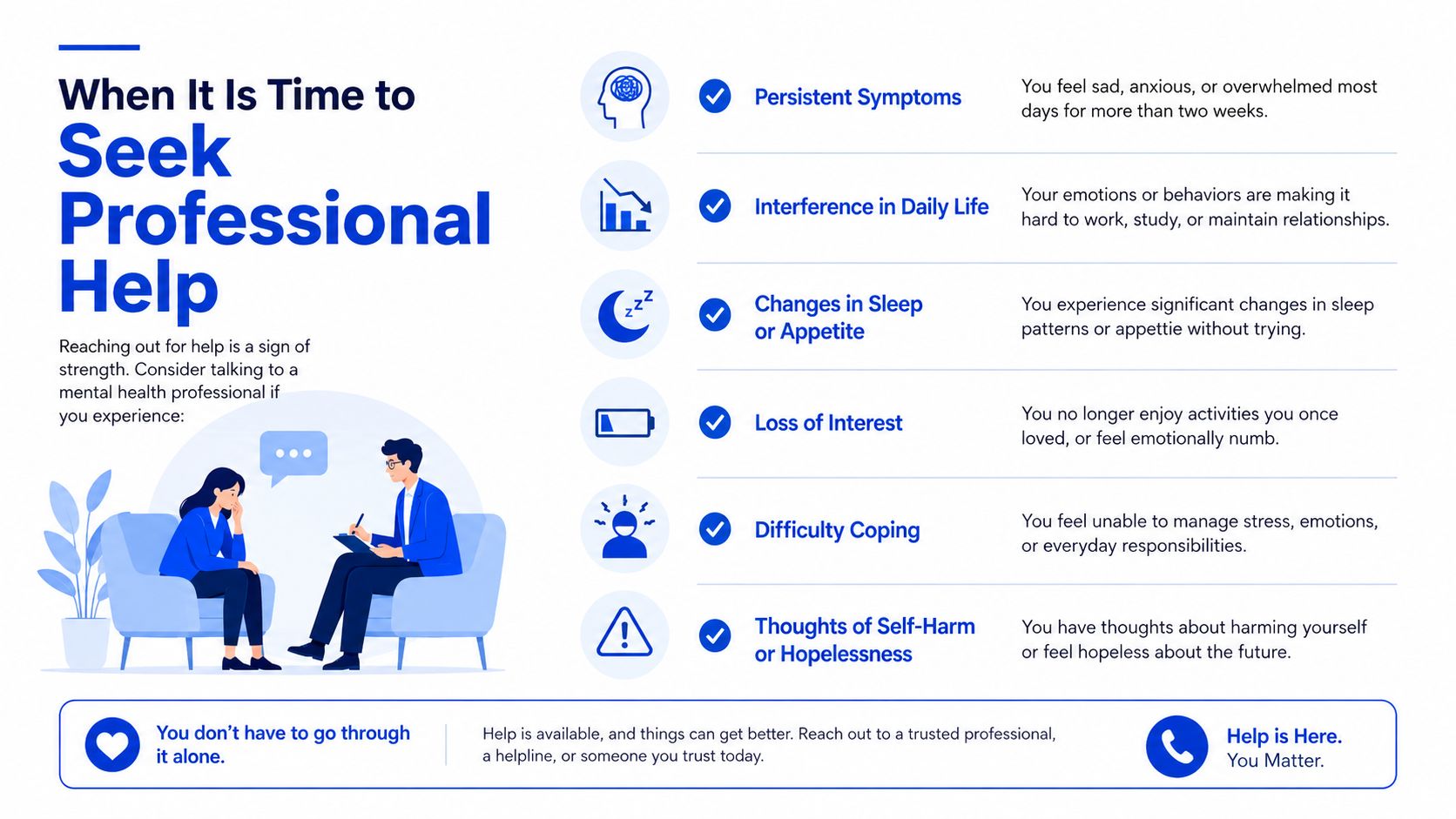
Neurological symptoms need urgent medical review first. Numbness, facial drooping, sudden hearing loss or significant trauma shouldn't be directed straight to osteopathic treatment. As a simple rule, seek professional advice when symptoms are present most days for more than three weeks, interfere with daily function or return quickly after short-lived relief.
Putting It All Together for Lasting Relief
Return to the desk worker from the opening example. Once the jaw and upper neck were examined together, the clicking wasn't treated as the entire problem. The assessment considered jaw tracking, clenching, suboccipital tension, neck rotation, shoulder posture and the way headaches spread during the day.
Care then combined gentle hands-on work with practical changes. Soft-tissue techniques reduced guarding, comfortable upper cervical movement improved coordination and relaxed-jaw cues interrupted daytime clenching. The person also adjusted screen habits and used small exercises that didn't provoke symptoms.
That combination matters because lasting improvement rarely comes from chasing one painful spot. The upper cervical spine and TMJ share mechanical and neurological relationships, but the exact contribution differs from person to person. A useful plan may include osteopathic treatment, dental input, medical review, exercise guidance or imaging, depending on the findings.
There isn't one universal treatment timeline. Some people notice a change after an initial session, while others need a period of consistent care and habit adjustment before the pattern settles. Persistent or complex symptoms require review rather than an assumption that more pressure or more exercise will solve them.
Bayside Osteopathic Health offers gentle, hands-on assessment for people whose jaw, head and neck symptoms seem connected, with care focused on movement, muscle tension and daily habits. Visit Bayside Osteopathic Health to discuss your symptoms and arrange an assessment that considers the upper cervical spine and TMJ together.