
By the time many women book their first pregnancy appointment with us, they're not usually searching for anything dramatic. They want to roll over in bed without hip pain. They want to get out of the car without that sharp catch through the pelvis. They want to sit at work, walk along the foreshore, or feed a newborn without their back and shoulders tightening by the hour.
That's where pregnancy and beyond osteopathy fits in. It's a practical form of hands-on care for a body that's changing quickly, then asking even more of you after birth. In Australia, an Australian survey of 1,835 women found that 6.1% consulted an osteopath for a pregnancy-related health condition, particularly for issues like back pain. That matters because it places osteopathy firmly within real-world pregnancy care choices, not at the fringe.
Table of Contents
- Your Guide to a More Comfortable Pregnancy Journey
- Understanding Your Changing Body During Pregnancy
- Common Conditions We Treat During Pregnancy and Beyond
- What to Expect at Your Bayside Osteopathy Consultation
- Postnatal Recovery and Osteopathy in the Fourth Trimester
- Booking Your Appointment and Medicare Info for Bayside Residents
- Frequently Asked Questions About Pregnancy Osteopathy
Your Guide to a More Comfortable Pregnancy Journey
Pregnancy discomfort often starts subtly. A pulling feeling in the lower back after a longer walk. A pelvic ache when turning in bed. Tightness through the ribs late in the day. Then one week later, everyday tasks feel oddly complicated.
That pattern is common. It doesn't mean something has gone wrong. It usually means your body is adapting to a growing load, changing posture, altered sleep, and different movement habits.
In clinic, the women who seek care are often trying to stay active and capable, not chase a perfect symptom-free pregnancy. They want to keep working, keep exercising within reason, or make daily life less tiring. Osteopathic care is useful here because it's gentle, personalized, and focused on how the whole body is compensating.
Pregnancy pain isn't always about one injured spot. More often, it's a chain of small overloads through the back, pelvis, ribs, hips, and feet.
A local appointment should feel practical. You should leave understanding why your symptoms are happening, what can be treated safely, and what you can do at home that helps. Good care doesn't promise magic. It aims to reduce strain, improve movement, and make the next week more manageable.
For many women, that reassurance matters as much as the treatment itself.
Understanding Your Changing Body During Pregnancy
You might notice it first in small moments. Getting out of the car feels awkward. Rolling over in bed takes planning. A short walk around Hampton, Sandringham, or Brighton leaves your lower back or pelvis more tired than expected.
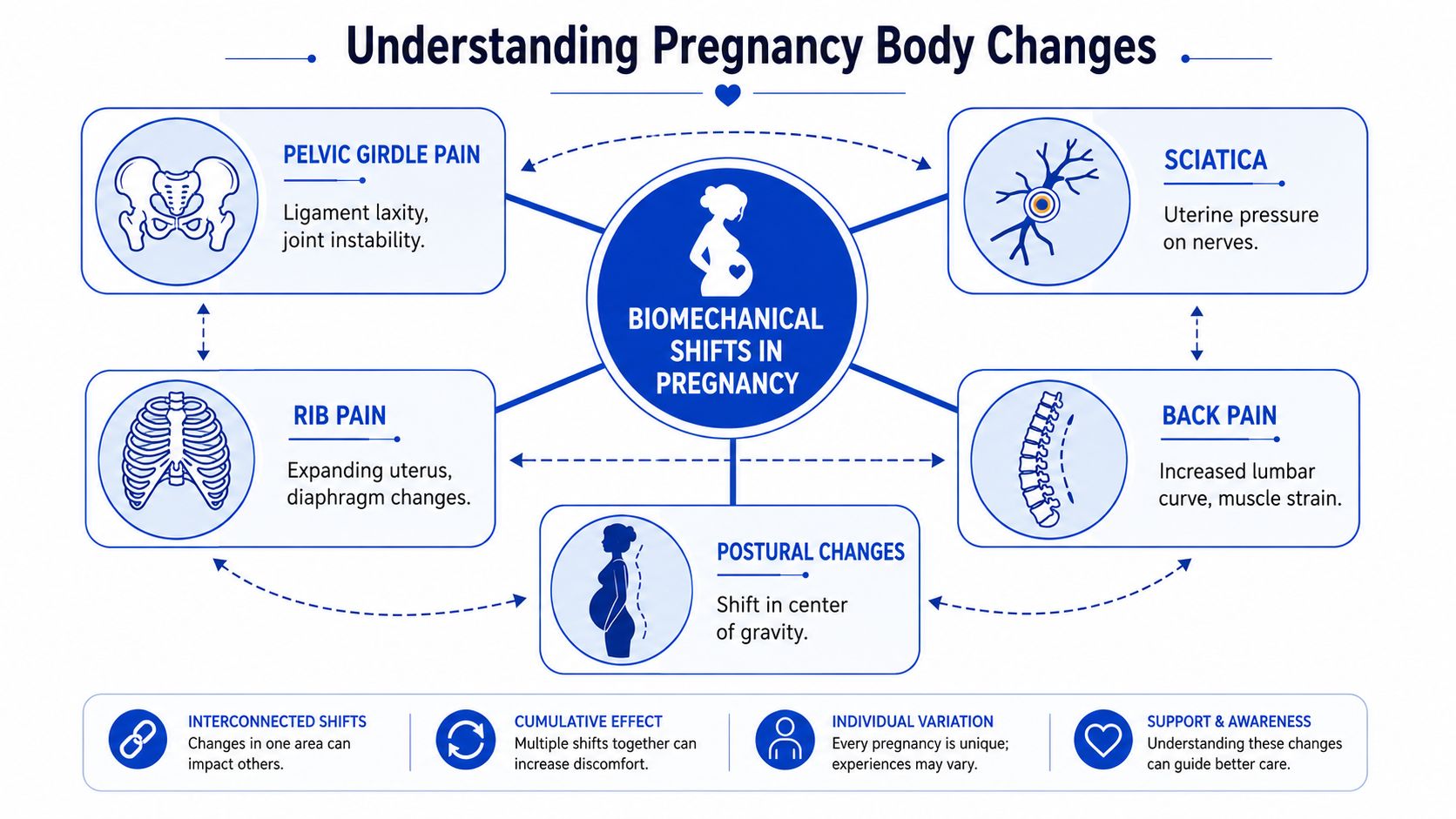
Those changes are common in pregnancy because your body is adjusting constantly. Hormonal changes soften ligaments, your breathing pattern shifts, your abdominal wall stretches, and your centre of gravity gradually moves forward. None of that means your body is failing. It means load is being redistributed, and some areas start working harder than others.
In practice, I often explain it this way. Pregnancy changes rarely stay in one spot. A stiff ribcage can change breathing and trunk control. Reduced hip movement can increase pelvic strain. Tension through the calves and feet can alter how you walk, especially later in the day.
A few patterns show up again and again:
- The pelvis becomes more sensitive to load: turning in bed, climbing stairs, and standing on one leg often feel harder
- The lower back does more work: especially if the hips, glutes, or mid-back are not sharing load well
- The ribcage can feel tighter: deep breathing, reaching overhead, or sleeping comfortably may become more difficult
- The feet and calves fatigue earlier: balance changes and extra load often show up here before people expect it
For a simple visual reference, this pregnancy postural support image reflects the alignment changes we commonly discuss in the clinic.
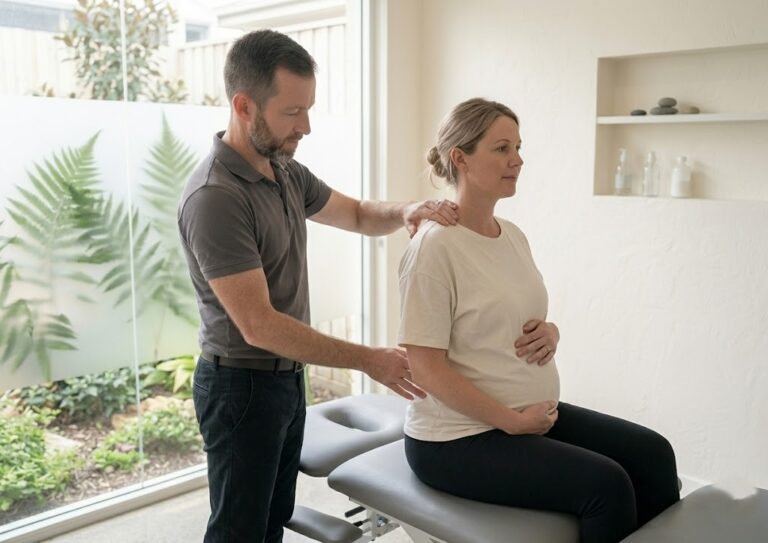
What matters most is how these changes affect daily function. If walking the Bay Trail, sitting at work, lifting a toddler, or sleeping through the night is getting harder week by week, the body is asking for better support, not just more tolerance.
Here's a short explainer that helps many patients understand those movement changes in a simple way.
Why pelvic health matters early
Pelvic health starts during pregnancy, not after birth. The way you breathe, brace, stand, sit, lift, and recover during these months can influence comfort later, especially once feeding, carrying, and broken sleep are added in the postpartum period.
I find early attention makes a real difference. Sometimes the goal is symptom relief. Sometimes it is preventing a manageable issue from becoming the movement pattern you rely on for the rest of pregnancy.
If a symptom keeps changing how you move, it is worth addressing early. That might mean hands-on treatment, a better sleeping setup, changes to walking distance, or simple advice on getting in and out of bed with less strain. In Bayside, practical care works best when it fits real life, including work, school drop-off, beach walks, and the physical load of looking after other children.
Common Conditions We Treat During Pregnancy and Beyond
A common Bayside pattern looks like this. You are managing work, school drop-off, a short walk along the foreshore, or the usual run between Hampton, Brighton, and Sandringham, and one movement starts to dictate the whole day. Rolling in bed hurts. Getting out of the car hurts. Carrying the baby capsule hurts. At that point, the question is not just where the pain sits. It is what your body is overworking to keep you going.
That is how I assess these presentations in clinic. The sore area matters, but the strain pattern matters more.
During pregnancy
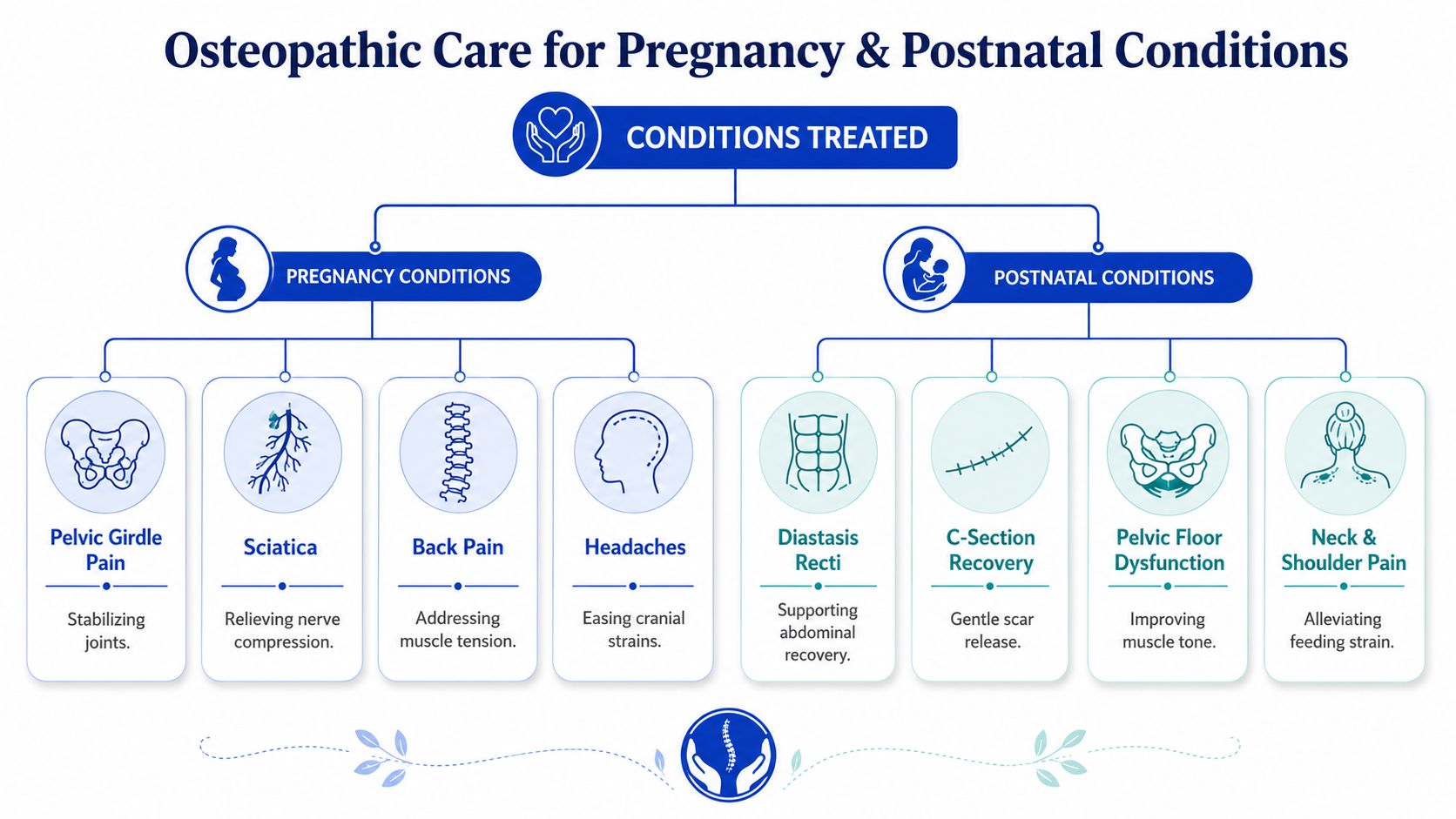
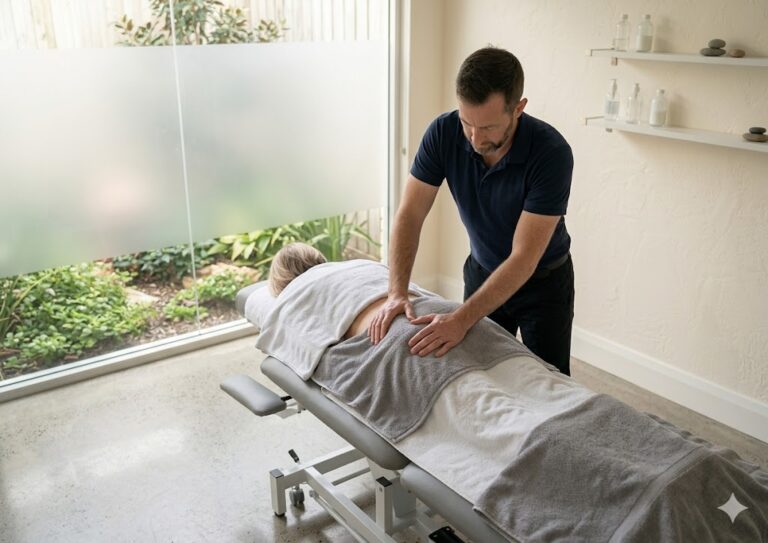
Lower back pain often reflects poor load sharing through the lower ribs, spine, pelvis, and hips. If one area stiffens, another area starts doing extra work. Treatment is aimed at easing that overload, improving movement where it has become restricted, and giving practical advice you can use at home, at work, and in the car.
Pelvic girdle pain usually shows up with asymmetrical tasks. Turning in bed, climbing stairs, stepping into leggings, pushing a trolley, or standing on one leg to get dressed can all trigger it. In practice, the trade-off is clear. Rest alone rarely settles it for long if the same aggravating movements keep happening ten times a day. Hands-on treatment can help, but clear movement changes are often what make the difference between short-term relief and steadier progress.
Sciatic-type pain needs careful assessment because not every pain down the leg is true sciatica. Sometimes the main driver is nerve sensitivity. Sometimes it is deep gluteal tension, pelvic mechanics, or referral from the lower back. The treatment plan changes depending on that pattern, especially if sitting, walking, or sleeping each provoke symptoms differently.
Rib and mid-back pain often becomes more noticeable as pregnancy progresses. Breathing can feel tighter. The bra line can feel stiff and sore. Side-lying can become frustrating. These cases usually respond best when treatment addresses thoracic movement, rib mechanics, and the postures that are repeated through the day.
Where muscular guarding is a big part of the picture, some women also benefit from added soft-tissue support such as remedial massage and muscle therapy. That can be useful alongside osteopathic care, not instead of it.
After birth
The symptoms change after birth, but the workload on the body often increases.
Neck and shoulder pain is common with feeding, expressing, settling, and long periods of looking down. A chair that seemed fine in the first week can become a problem by week three if you are using it for hours each day.
Persistent pelvic, hip, or lower back pain may continue if your body is still protecting one side, avoiding rotation, or bracing through the glutes and groin. This is especially common when lifting a pram in and out of the boot, carrying your baby on one hip, or getting up from the floor repeatedly.
Abdominal weakness and poor trunk control often feel less like pain and more like a lack of confidence. Women describe feeling unstable, slow to roll, or unsure how to lift without straining.
Scar and tissue restriction after caesarean birth or a difficult vaginal delivery can also change how you breathe, twist, stand upright, and return to exercise. The scar is only one part of the picture. The guarding around it matters too.
The best results usually come from combining treatment with a realistic home plan. That may include feeding setup changes, a better pillow arrangement, a different way to lift the capsule, shorter walks for a week, or simple exercises that restore control without adding more strain.
Small practical changes often matter more than people expect. In Bayside homes, that might mean adjusting the couch feeding setup, changing where nappies are stored so you are not constantly bending and twisting, or choosing a pram height that does not leave you rounded through the upper back by the end of the day.
What to Expect at Your Bayside Osteopathy Consultation
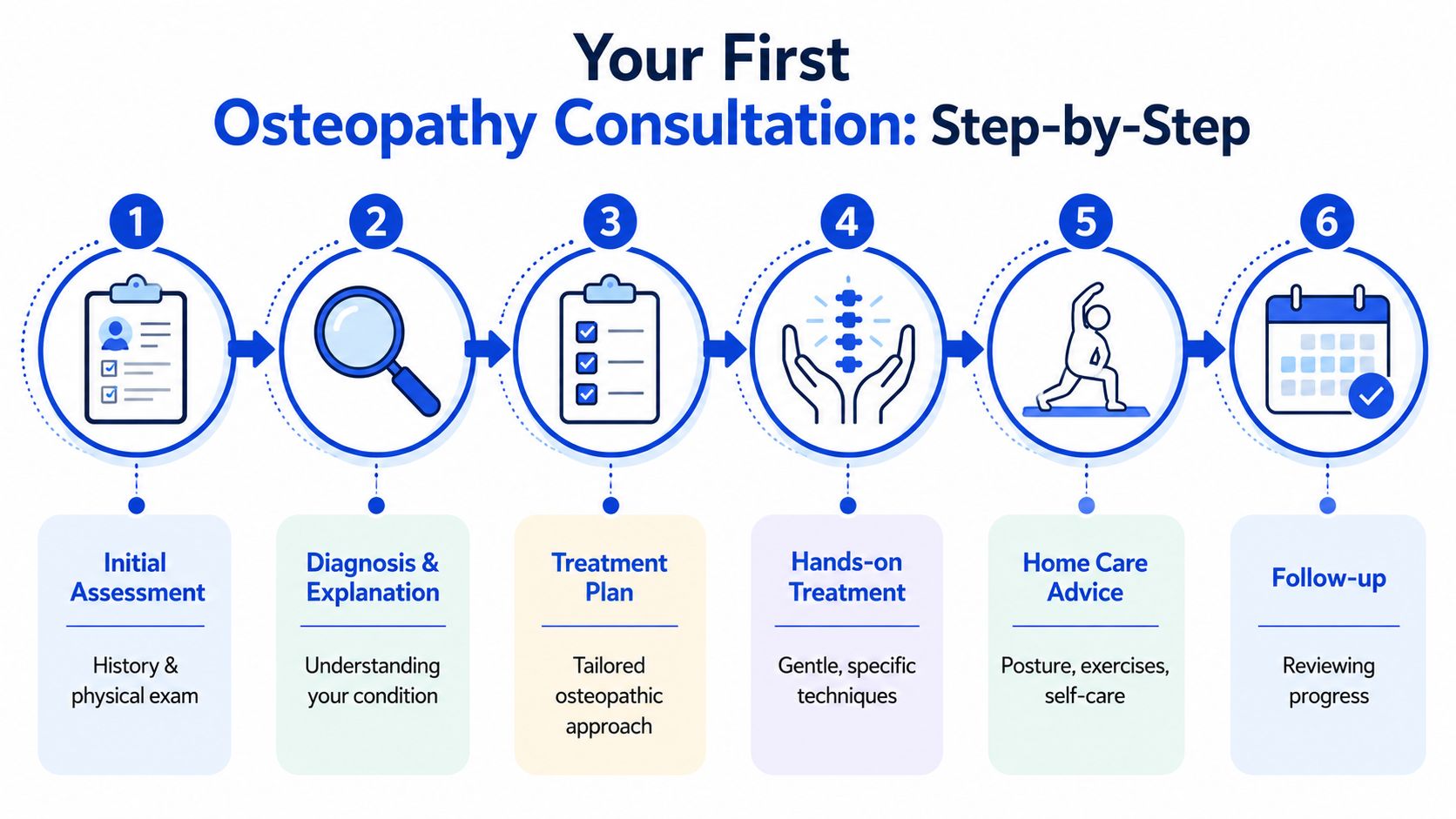
A first pregnancy appointment should feel calm, clear, and adapted to where you are in pregnancy or recovery. You won't be rushed into treatment before your symptoms make sense.
How the first visit usually unfolds
The consultation starts with questions that matter clinically. Where is the pain? What movements trigger it? How are you sleeping? Walking? Working? Feeding? Have symptoms changed week to week, or only after certain tasks?
Then comes observation and movement testing. We look at how you stand, turn, bend, transfer weight, and breathe. In pregnancy, even simple transitions often reveal the issue more clearly than one isolated test.
A typical appointment includes:
- History first: symptom pattern, pregnancy stage, birth history if postpartum, and any concerns that need referral or co-management
- Movement assessment: posture, walking, hip and spinal motion, and the tasks that provoke symptoms
- Hands-on assessment: areas of muscle guarding, joint restriction, tenderness, and compensation
- Clear explanation: what seems to be driving the problem and what treatment can realistically change
- Personalized home advice: usually a few useful changes, not a long list you won't follow
What treatment feels like
Treatment is usually gentle and specific. That may include soft-tissue work, articulation, careful mobilisation, positional release, and practical advice about sitting, sleeping, feeding, walking, or returning to exercise. Positioning is modified for comfort. Some patients lie side-lying for much of the appointment. Others are treated seated or supported with pillows.
The most important point is that treatment should match your tolerance. More pressure isn't better. Stronger techniques don't automatically produce stronger results in pregnancy.
A systematic review found that osteopathic manipulative treatment improved pain and function in pregnancy-related low back pain compared with standard care, with no side effects reported in the included trial data. The same review also noted that the evidence base is heterogeneous, so the sensible approach is conservative care combined with exercise and education, not treatment in isolation.
Good pregnancy osteopathy should leave you feeling more settled and more confident in movement, not battered for two days afterwards.
Postnatal Recovery and Osteopathy in the Fourth Trimester
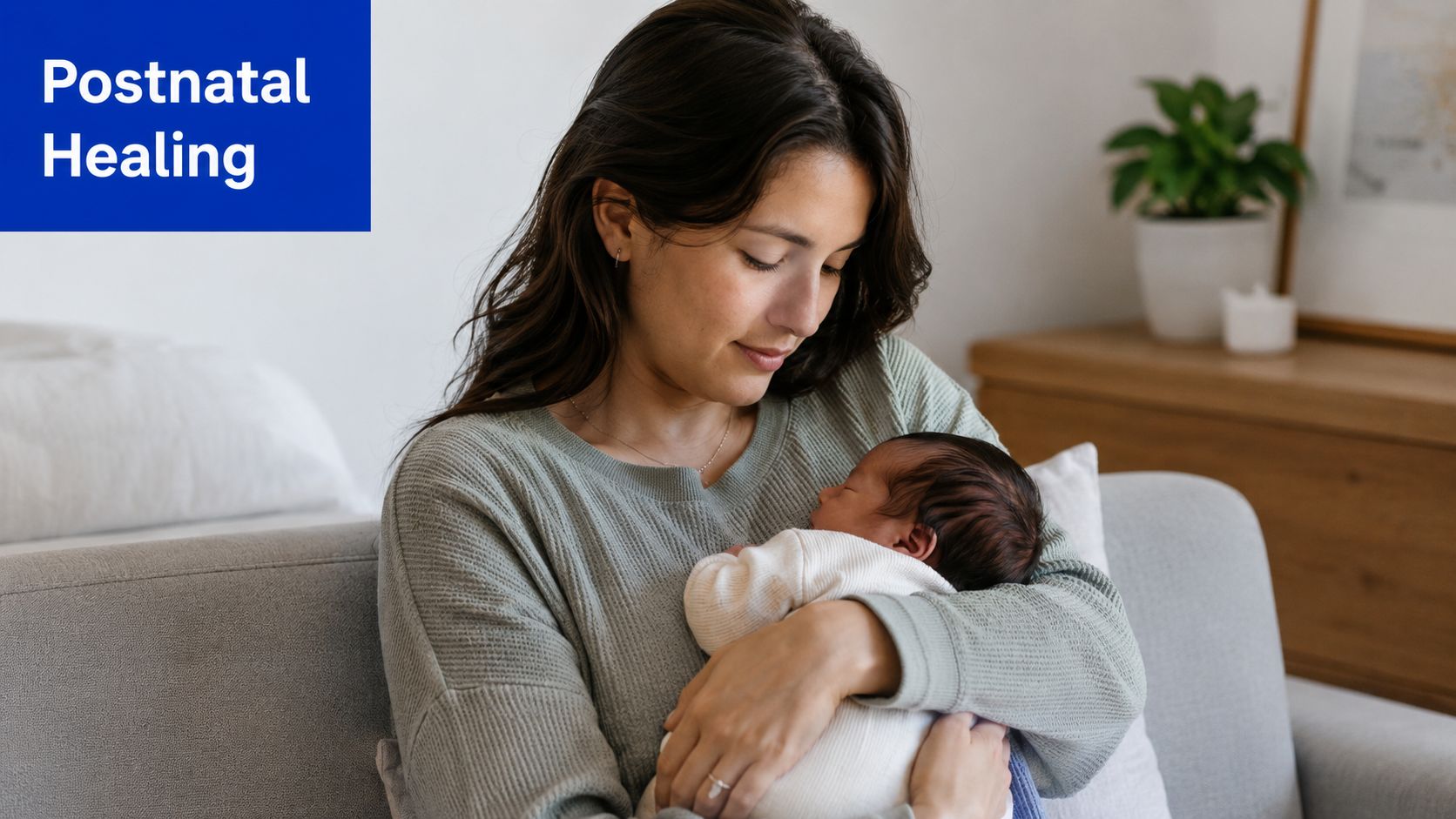
The fourth trimester is physically demanding in a way many women don't expect. Birth itself is a major event, then recovery happens while you're feeding, lifting, carrying, settling, and sleeping in fragments.
Why the fourth trimester deserves proper care
A lot of postnatal pain gets dismissed because there's a baby to care for and a long list of “normal” symptoms floating around. But common doesn't mean insignificant. Postpartum pelvic girdle pain affects 25% of mothers in Australia. That makes early support important, especially when pain changes the way you stand, walk, or lift.
The challenge is that many women don't get clear expectations about recovery timelines. They're told to rest when possible, then spend hours each day in bent feeding positions, twisting into bassinets, carrying capsules, or shifting a baby from one hip to the other. Those habits can keep the back, pelvis, and ribs irritated even when birth-related healing is progressing normally.
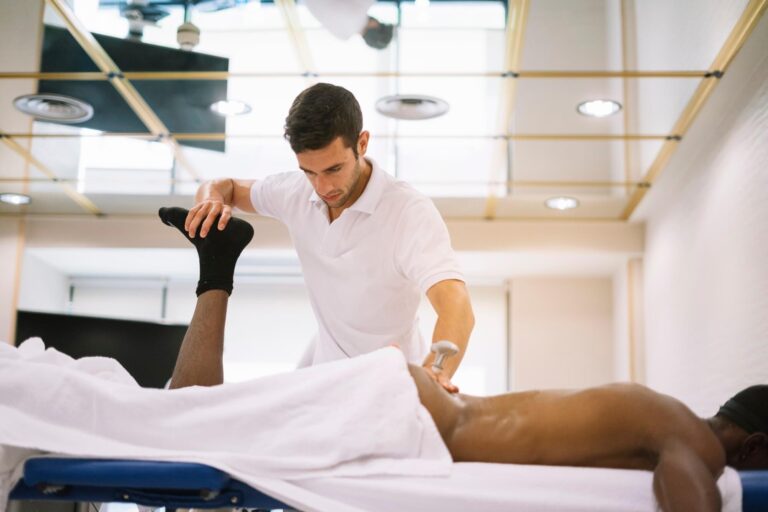
In this phase, osteopathic care often focuses on restoring more comfortable movement and reducing the compensations that early parenting creates. That may mean treating rib and thoracic stiffness from feeding posture, easing gluteal and pelvic tension, improving lower back mobility, or helping the body tolerate walking and lifting again.
If your recovery also includes a broader rehab plan, some women pair osteopathic treatment with guided exercise support such as physiotherapy-based movement rehabilitation, depending on what the presentation calls for.
What helps at home between sessions
The home side of recovery doesn't need to be elaborate. It needs to be realistic.
- Change positions often: long feeding sessions in one setup usually build tension quickly
- Bring the baby to you: use pillows or supports so you're not curling your chest and neck down for extended periods
- Treat lifting as repetitive load: cots, capsules, prams, and change tables all count
- Start with breathing and gentle control: rebuilding confidence often begins with simple, well-taught movements rather than hard exercise
What usually doesn't work is waiting months in the hope that everything will settle on its own while the same aggravating tasks continue every day. Early, gentle intervention often keeps a short-term issue from becoming a stubborn one.
Booking Your Appointment and Medicare Info for Bayside Residents
You wake at 3 am to turn over in bed, and that sharp pull through the pelvis is back again. By school drop-off or the first feed of the morning, the question is usually less about whether to get help and more about how quickly you can arrange it close to home.
For Bayside families, convenience matters more than people expect. If you are coming from Brighton, Hampton, Sandringham, Black Rock or Beaumaris, a local appointment is often the difference between addressing a problem early and putting it off for another two weeks because the logistics feel too hard.
How to book locally
People usually book once symptoms start affecting ordinary tasks. Walking the dog feels uneven. Getting out of the car takes planning. Feeding, lifting, or carrying starts to leave you sore for hours afterward.
If you are organising care with Bayside Osteopathic Health, mention at the time of booking whether you are pregnant or postpartum, how far along you are, where the pain is, and which movements are difficult. That helps us allow for the right setup from the start, including treatment positioning and enough time to take a proper history.
A few practical steps make the first visit easier:
- Wear clothes you can move in: leggings, soft pants, shorts, and a comfortable top usually work well
- Bring any relevant notes: referral letters, scan reports, or discharge summaries can help if you have them
- Write down your main aggravating movements: turning in bed, stairs, standing on one leg, feeding, walking, or lifting are often more useful than a general description of pain
- Arrive a few minutes early if possible: that gives you time to settle in, especially if parking, pram unloading, or bringing a newborn makes timing tight
How Medicare usually works
Medicare is one of the more confusing parts of booking osteopathy, particularly in pregnancy and the early postnatal period. Pregnancy on its own does not automatically qualify you for a rebate.
The pathway patients ask about most often is a Chronic Disease Management plan through a GP. Eligibility depends on your medical situation and your GP's assessment, not just on being sore or pregnant. If your GP believes you meet the criteria, they can discuss whether a referral is appropriate and explain what paperwork is needed.
There is also a practical provider issue. According to the Australian Institute of Health and Welfare's osteopathy workforce reporting, not every osteopath is set up to process Medicare-linked care arrangements, so it is sensible to ask the clinic directly before you attend: https://www.aihw.gov.au/reports/workforce/osteopathy-australia
The easiest way to avoid surprises is to confirm a few points before the appointment:
| Question to ask | Why it matters |
|---|---|
| Do I need a GP referral before I book | It prevents delays and incomplete paperwork |
| Am I likely to be eligible for a CDM plan | Rebate access depends on your circumstances |
| Does this clinic accept eligible Medicare referrals | Provider arrangements vary |
| What will I pay out of pocket | It helps you plan treatment realistically |
Private health extras are a separate issue again. Many patients use private cover for osteopathy, but the rebate amount depends on your fund and level of cover. If cost is a concern, check both Medicare eligibility and private health benefits before the first appointment so you know what to expect.
Frequently Asked Questions About Pregnancy Osteopathy
Is osteopathy safe during pregnancy
For most women, pregnancy osteopathy is a gentle option that can be adapted to trimester, symptom pattern, and comfort level. Techniques and positioning should be modified carefully, and treatment should stay within a conservative scope. If anything about your presentation suggests you need medical review first, that comes before treatment.
How is it different from physio or chiro
They overlap in some areas, but the style and emphasis can differ. Osteopathy tends to look closely at how the whole body is moving and compensating, then combine hands-on treatment with practical movement advice. Physiotherapy often places more emphasis on exercise rehabilitation. Chiropractic care may focus more specifically on spinal and joint-based treatment approaches. In pregnancy, the best fit depends on your symptoms, your preferences, and whether you need more manual care, more rehab, or a mix of both.
What should I wear and how many sessions will I need
Wear clothing you can move in comfortably. Activewear, leggings, soft pants, and a comfortable top usually work well.
Session numbers vary because symptoms vary. A recent flare of back or pelvic pain may respond differently from pain that has been building for months or symptoms that continue into the postpartum period. The clearer the aggravating pattern, and the earlier it's addressed, the easier it usually is to make treatment practical and efficient.
If you're unsure whether your symptoms fit pregnancy and beyond osteopathy, or you want a clear plan for pregnancy discomfort, postpartum recovery, or Medicare-related questions, Bayside Osteopathic Health is a practical place to start. We can help you work out whether osteopathic care suits your stage, your symptoms, and your day-to-day needs in Bayside.