

You wake with a back that feels manageable, then spend an hour at a desk and notice the stiffness building. By the time you're tying a shoelace, bending to load the dishwasher, or getting through school pickup, each movement requires planning. You may cancel a weekend walk because you're worried about a flare-up, then wonder whether you should rest more, exercise harder, request a scan, or see a specialist.
Effective chronic back pain solutions rarely come from one dramatic fix. Australian guidance increasingly treats persistent low back pain as a long-term condition that responds to education, self-management, physical activity, and support for psychological and social factors. The practical aim isn't to promise a pain-free life overnight. It's to restore function, build confidence, and create a sensible sequence of care that starts with lower-risk options before considering procedures.
Table of Contents
- Living With a Back That Never Quite Settles
- What Chronic Back Pain Really Is and Why It Lingers
- Red Flags, Reassurance, and How Diagnosis Works
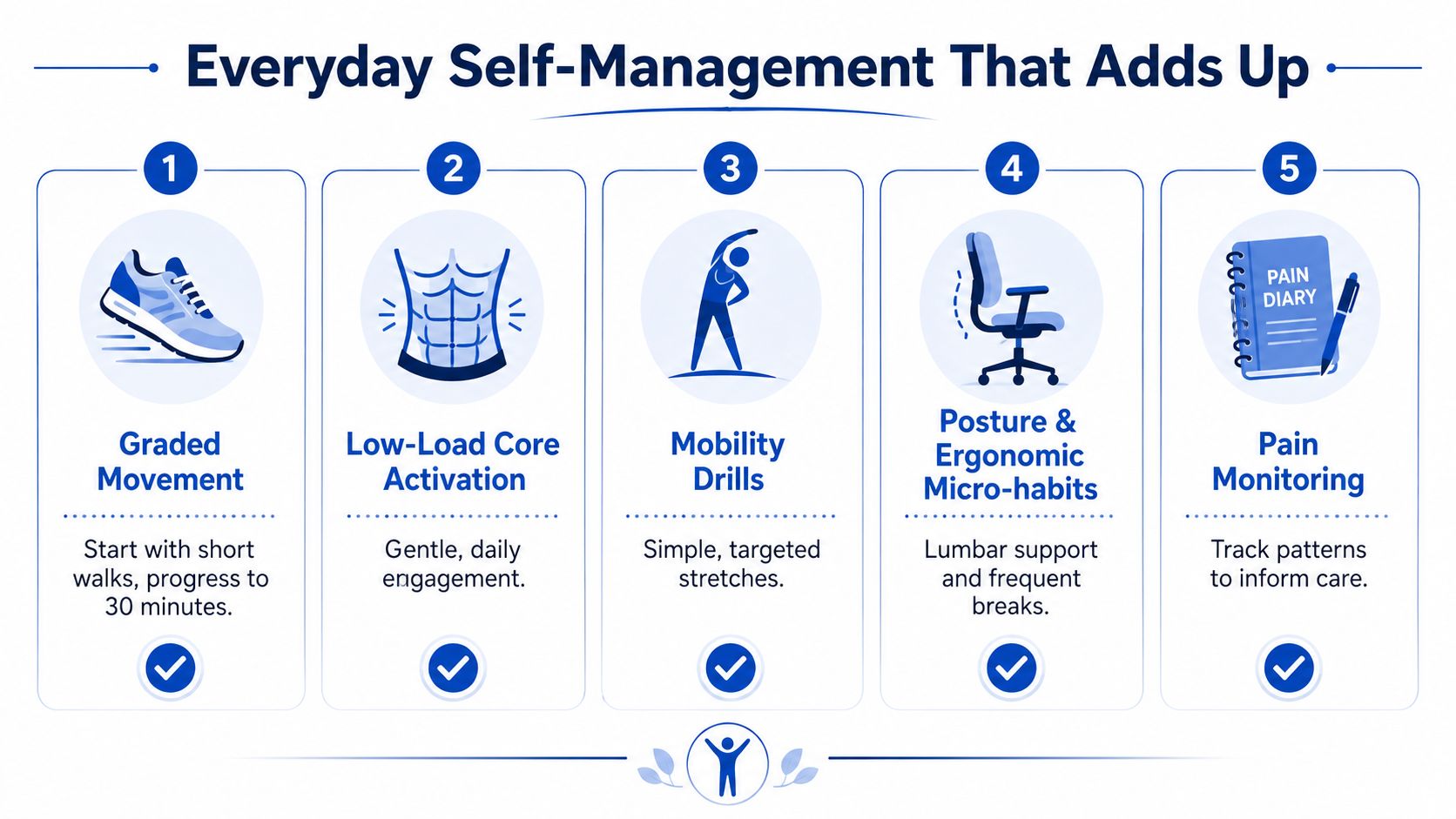
- Everyday Self-Management That Adds Up
- Professional Options From Gentle Hands to Surgery
- Putting Together Your Personal Recovery Plan
- Working With a Practitioner and Knowing When to Escalate
Living With a Back That Never Quite Settles
A normal day can become a chain of small adjustments. You change your chair, rise cautiously, leave the laundry basket where it is, and take the shorter route through the supermarket. Each decision may seem minor. Together, they can reduce your activity and teach you to treat your back as fragile.
That experience remains real even when a scan shows no single explanation. The Australian Institute of Health and Welfare's overview of back problems estimated that around 4.0 million Australians, or 16% of the population, were living with back problems in 2022. Back problems were also the third leading cause of disease burden overall in 2023, accounting for 4.3% of Australia's total disease burden, according to the same source.
A long-term condition, not a personal failure
Australian clinical guidance treats chronic back pain as a condition managed through function, education, physical activity, and attention to psychosocial factors, rather than as a structural fault that must be “fixed” before ordinary life can resume. The Australian Commission on Safety and Quality in Health Care's Low Back Pain Clinical Care Standard supports this approach.
Your symptoms may change with the load placed on your back, the quality of your sleep, your stress level, and your concern about movement. Arthritis, reduced activity, and a sudden increase in physical demands can add to the same cycle. This does not make the pain imaginary. The nervous system, muscles, joints, habits, and circumstances can all influence how symptoms behave.
Practical rule: Aim first for a back that feels more capable and predictable, rather than promising that every sensation will disappear.
Three principles help make daily decisions clearer:
- Pain has several inputs. Stress, disrupted sleep, inactivity, arthritis, and changes in physical demand may all affect symptoms.
- Small actions accumulate. Short walks, regular position changes, and a manageable home program can provide a steadier base than occasional intense effort.
- Sequence protects recovery. Education, graded movement, and coordinated support usually come before invasive options, unless warning signs or a specific diagnosis require a different plan.
The age-standardised prevalence fell from 21% in 2001 to 15% in 2022, while back problems remained a significant chronic condition nationally, as reported by AIHW. Your symptoms deserve neither dismissal nor panic. They call for a structured plan that accounts for the whole situation, including sleep, stress, arthritis, and the demands of daily life.
What Chronic Back Pain Really Is and Why It Lingers
Understanding why back pain lingers requires seeing the back as a system of interdependent structures rather than a mechanism with one broken part. Bones, discs, joints, nerves, muscles, and connective tissues share the work of bending, standing, walking, lifting, and absorbing force. If one area becomes sensitive, nearby areas may alter their movement to protect it.
Persistent symptoms usually reflect several overlapping influences.
Mechanical contributors
Reduced strength or conditioning, prolonged postural strain, repetitive lifting, joint irritation, disc changes, and restricted movement through the hips or upper back can all affect tolerance. Someone who sits for long periods may find standing and walking harder, while avoiding bending can reduce confidence and efficiency with that task.
These changes do not automatically show that damage is worsening. They may indicate that the body needs a gradual return to useful loads. Australian guidance recommends structured, individualised exercise as first-line care, matched to personal preferences and functional limitations rather than prescribed as one universal routine.
Lifestyle contributors
Inactivity can reduce physical reserve. Poor sleep may make ordinary sensations feel more threatening, while long periods of sitting can leave you stiff before any strenuous activity. Work patterns, caring responsibilities, and limited access to care may also make helpful changes difficult to maintain.
A plan that ignores these pressures often becomes too demanding to sustain. Sleep, stress, arthritis, and daily responsibilities can change how much activity feels manageable, so they belong in the discussion from the start.
Psychosocial contributors
Fear of movement, low mood, work pressure, social isolation, and ongoing worry can increase the nervous system's protective response. Pain is still physical. The point is that the brain and nervous system help interpret signals from the body, and circumstances can influence that interpretation.
Why symptoms can outlast tissue healing
After repeated pain, the nervous system may become more protective. Movements that were once routine can produce a strong response, especially when you expect harm. That response may continue after the original strain has settled.
The practical response is a tolerable starting point, regular practice, and gradual increases in demand. For people with more complex symptoms, exercise, cognitive behavioural therapy, and coordinated multidisciplinary care may be combined. In plain language, useful treatment builds physical capacity while restoring confidence in movement. It also follows a sequence: begin with education and lower-risk self-management, then consider more intensive options when progress stalls, symptoms remain disabling, or a specific diagnosis calls for them.
Red Flags, Reassurance, and How Diagnosis Works
Most persistent back pain is not a medical emergency, yet certain symptoms need prompt assessment. Same-day review is appropriate when pain occurs with signs of serious infection, cancer, major nerve compression, or significant injury.
| Red Flag | Why It Matters |
|---|---|
| Unexplained weight loss | May indicate an underlying illness requiring medical assessment |
| Fever or feeling systemically unwell | Can point to infection or another medical condition |
| Severe or unusual night pain | Needs review when persistent, unexplained, or progressively worsening |
| Numbness around the saddle area | May indicate significant nerve compression |
| New loss of bladder or bowel control | Requires urgent assessment for possible cauda equina involvement |
| Significant or worsening leg weakness | Can signal progressing nerve impairment |
| History of cancer | Changes concern around new or changing symptoms |
| Recent major trauma | Raises concern about fracture or other injury |
Seek emergency care for new bladder or bowel changes, saddle numbness, or rapidly worsening weakness. Pause home exercises while awaiting assessment. These signs are uncommon, but acting quickly matters.
What a primary care assessment involves
A GP or qualified practitioner will ask when symptoms began, where they travel, what changes them, and how they affect sleep, work, walking, lifting, and mood. The examination commonly includes movement, strength, reflexes, and sensation, with attention to possible nerve involvement.
Imaging is not automatically the next step. Scans often show age-related changes that may not explain pain. A clinician generally considers imaging when the history and examination suggest a specific condition, serious pathology, or a finding that would change treatment.
The assessment should also account for the wider picture. Stress, poor sleep, and arthritis can affect pain, movement, and recovery, so a useful plan may need to address these alongside the back itself. That is one reason diagnosis is more than identifying a structure on a scan.
Labels can help, but plans matter more
You may hear terms such as non-specific chronic low back pain, disc-related pain, facet joint pain, or nerve-root irritation. These labels can guide safety checks and treatment choices, but they do not always identify one isolated pain generator.
A consultation should leave you with a working explanation, activities to continue or modify, and clear review instructions. It should also clarify what happens next: begin with lower-risk self-care when appropriate, then consider further treatment if symptoms remain disabling, progress stalls, or a specific diagnosis requires escalation.
Reassurance is not dismissal. It means serious causes have been considered and the clinician can explain why active rehabilitation is suitable. As reported by AIHW earlier in this article, back problems are common, so persistent symptoms deserve a structured plan rather than automatic scanning or a rush to procedures.
Everyday Self-Management That Adds Up
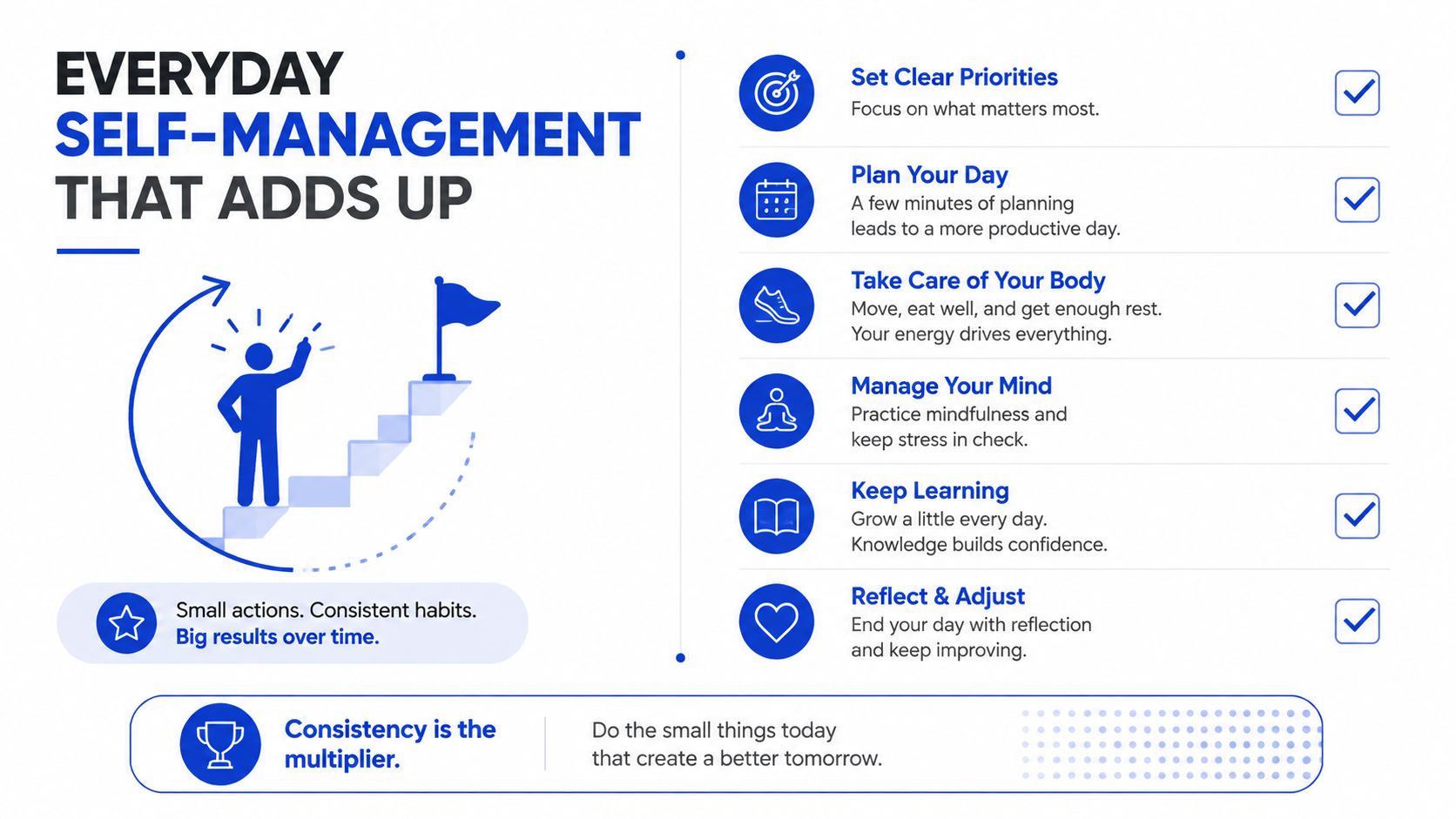
Self-management works when it fits the day you have. A plan that depends on a complete lifestyle overhaul can break down when work, family responsibilities, fatigue, stress, or arthritis flare-ups interfere. Treat each habit as an adjustable part of your care, rather than a pass-or-fail test.
Start with a repeatable movement dose
Choose a starting level you can repeat without causing a substantial flare. This could be a short walk, gentle trunk activation, or several mobility movements spread across the day. The RACGP guidance for exercise in chronic low back pain describes trunk strengthening, flexibility and stretching, aerobic conditioning, and functional restoration as useful exercise approaches.
A graded routine may develop in stages:
- Walking: Begin with short bouts at a comfortable pace. Increase the duration gradually, potentially working towards 30 minutes if that matches your capacity.
- Low-load activation: Use gentle exercises that help you engage the trunk without rigid bracing or breath-holding.
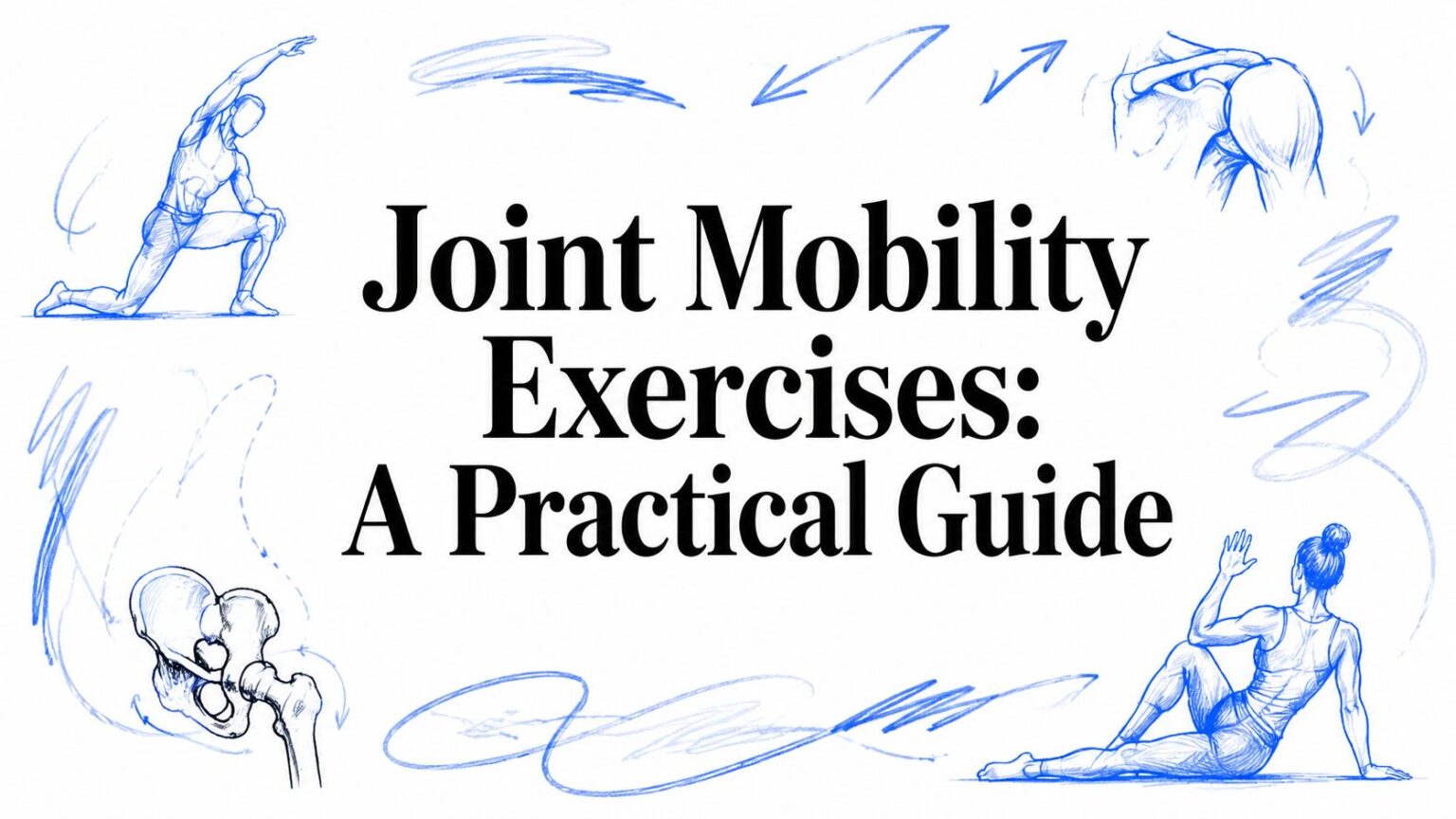
- Mobility: Add targeted movements for the hips, spine, and surrounding areas. A joint mobility and stretching guide can provide visual reminders. Stop any movement that produces concerning symptoms.
- Functional strength: Progress towards sit-to-stand practice, step-ups, squats, or lifting a light object with control.
Australian guidance recommends starting graded activity gently, then progressing its duration, frequency, and intensity. No single exercise mode is considered superior, so choose an option you can perform consistently and increase safely.
Adjust your surroundings and your recovery
A supportive chair, sensible monitor height, and regular position changes can reduce time spent in an irritating posture. Build small, repeatable habits into your routine. Stand during a phone call, walk to refill your water, or change position before stiffness becomes intense.
Sleep needs the same attention as movement. Test a comfortable mattress setup, use a pillow between your knees when side sleeping if it reduces strain, and create a quiet wind-down routine. Heat therapy, paced breathing, and gentle yoga may help settle a flare, particularly when muscles feel guarded.
Pacing prevents the boom-bust cycle: Do enough to maintain momentum, then leave capacity for tomorrow.
Progression can remain gradual. RACGP guidance describes about 20 hours of individually supervised sessions over 8 to 12 weeks, combined with a home program, as usually recommended for chronic low back pain rehabilitation. Your program may differ. Supervision helps identify a suitable exercise dose, while home practice builds independence.
Track patterns instead of judging each day by pain alone. Record sleep, activity, sitting time, stress, and function, such as walking to the shops or tying your shoes. These observations help you and your clinician adjust the plan without reacting to one difficult morning. Addressing sleep, stress, and arthritis alongside movement can make the routine easier to sustain.
Professional Options From Gentle Hands to Surgery
Professional care should answer a practical question: what will help you move towards better function at this stage? For chronic back pain, treatment often works best as a sequence. Begin with education and active rehabilitation, use lower-risk support where it helps, then consider procedures only when the assessment gives a clear reason.
| Option | What It Involves | Best Suited To | Position in the Plan |
|---|---|---|---|
| Physiotherapy | Assessment, exercise prescription, functional retraining, and selected manual techniques | Strength loss, movement limitations, work or sport demands, and nerve-related presentations | Early active rehabilitation |
| Osteopathy | Whole-body movement assessment, hands-on techniques such as soft-tissue work and joint articulation, plus movement advice | Mechanical pain, stiffness, postural strain, and recurring symptoms | Early support alongside self-management |
| Medication | Options such as paracetamol or anti-inflammatory medicines, selected with a GP or pharmacist | Short-term symptom support when pain limits sleep or activity | Adjunct, not the complete plan |
| Psychological therapy | Approaches such as cognitive behavioural therapy for fear, distress, avoidance, and coping | Persistent pain with anxiety, low mood, sleep difficulty, or central sensitisation | Combined care when symptoms are complex |
| Injections | Targeted procedures aimed at a suspected facet joint or nerve-root source | Clearly identified pain generators where a temporary reduction may enable rehabilitation | Selective escalation |
| Surgery | Specialist assessment and correction of specific structural problems | Progressive neurological deficit, cauda equina features, or other appropriate pathology | Reserved for selected cases |
Physiotherapy and osteopathy often overlap in approach. Both incorporate assessment, hands-on care, exercise, and education. The useful question is whether the practitioner explains the reasoning, adapts treatment to your response, and measures progress beyond short-term relief.
Medication needs individual review. A GP or pharmacist can consider your medical history, other medicines, stomach and kidney risks, and the shortest reasonable duration. These checks matter especially when back pain sits alongside arthritis or other long-term health conditions.
Psychological support is part of physical pain care. Cognitive behavioural strategies can reduce fear-avoidance, improve sleep routines, and make graded activity more manageable. Stress and poor sleep can keep the nervous system on alert, much like a smoke alarm set too sensitively, so addressing them may support rehabilitation.
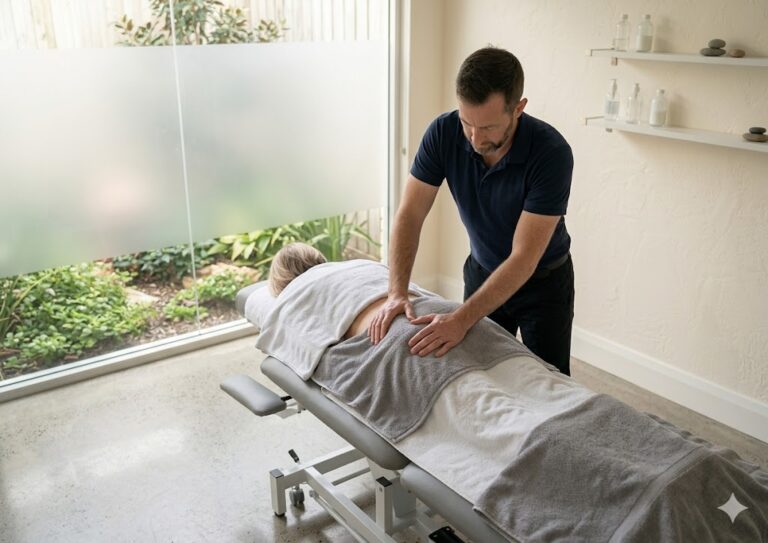
For people considering hands-on treatment, remedial massage and muscle therapy may be discussed as supportive care when muscle guarding affects movement. It should sit within an assessment-led plan and should not delay review of persistent, progressive, or neurological symptoms.
Procedures and surgery have narrower roles. An injection may create a temporary window in which exercise becomes possible, but it does not automatically rebuild capacity. Surgery is generally not first-line for non-specific chronic back pain. It requires a clear structural or neurological reason, with specialist assessment guiding the decision.
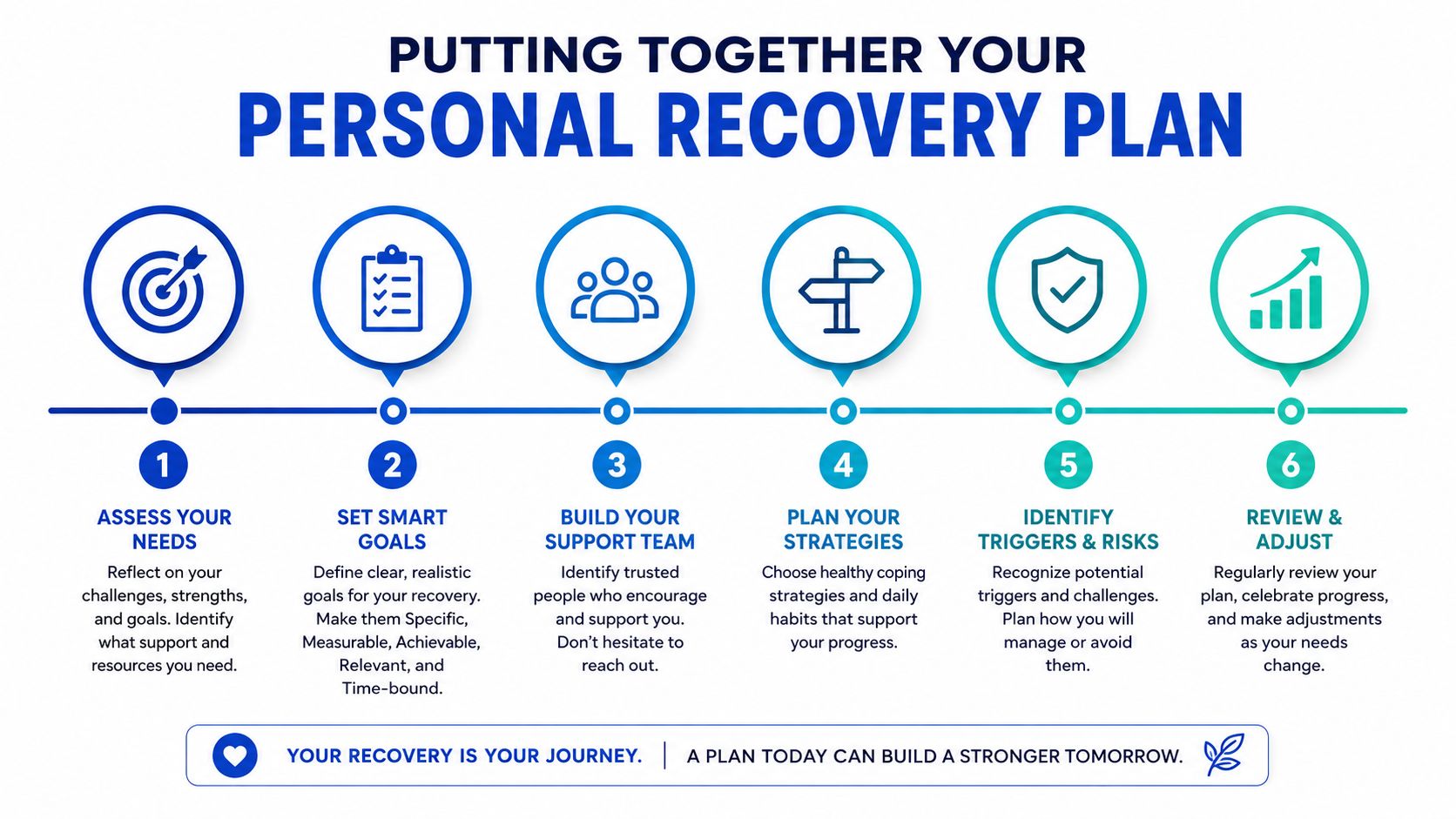
Putting Together Your Personal Recovery Plan
A useful recovery plan gives you a starting point, a way to progress, and a date for review. Treat it like adjusting a dimmer switch rather than flipping a light on at full strength. Small, repeatable changes are easier to assess and less likely to provoke a flare.
Week one, observe before you overhaul
Keep a short record of when symptoms increase, what happened beforehand, how you slept, and which activities remain possible. Note whether pain travels into a leg, whether numbness or weakness appears, and which tasks you are avoiding. This record gives your GP, physiotherapist, or osteopath a clearer picture of your pattern.
Choose one functional target, such as sitting through a work meeting, walking around the block, or completing the school run with less apprehension. A target based on daily life gives your clinician something measurable to guide.
Weeks two to four, establish the base
Add daily movement at a tolerable level, begin a small home exercise routine, and improve one sleep or workstation habit. Arrange an assessment with a qualified practitioner who can examine your movement and tailor the program. A workstation review may be useful if prolonged sitting or poor setup repeatedly aggravates symptoms.
If stress, arthritis, poor sleep, or low mood is present, include it in the conversation. The AIHW summary of chronic back problems reports that 72% of people with back problems in 2022 had at least one other chronic condition. Mental and behavioural conditions affected 43%, while arthritis affected 34%, according to the same source. These figures support an important point: treating the back alone may leave other factors affecting recovery unaddressed.
Weeks five to eight, build capacity
Progress the duration, frequency, or intensity of your exercises, changing one variable at a time. Add functional strength, such as step-ups, controlled squats, or lifting practice, when your practitioner agrees it is appropriate. Discuss medication with your GP if pain continues to interfere with sleep, work, or participation.
Use your original functional target as the main test. A modest reduction in pain can help, but walking farther, bending with more confidence, or recovering from activity more predictably may show greater progress.
Weeks nine to twelve, consolidate and decide
Keep the habits that fit your life and remove those that add effort without benefit. Review whether your goals are being met, symptoms are stable, and new findings justify imaging, an injection, or specialist opinion.
A corporate posture and ergonomics resource may help identify workstation changes, but it cannot replace individual assessment when symptoms remain limiting. If progress has stalled, ask whether the exercise dose is too low, the working diagnosis needs reconsideration, or stress, sleep, arthritis, or mood requires parallel support.

Working With a Practitioner and Knowing When to Escalate
Choose a GP, physiotherapist, or osteopath experienced with persistent pain. Ask how they will assess you, what you can practise at home, how progress will be measured, and when the plan will be reviewed. Practitioner registration can be checked through the Australian Health Practitioner Regulation Agency.
Your first appointment may include a detailed history, movement assessment, relevant neurological screening, a working explanation, and written exercise and follow-up advice. Progress should appear in walking, sleep, confidence, or daily tasks, not only on a pain scale. Stress, poor sleep, and arthritis can also affect recovery, so raise them rather than treating back pain in isolation.
Ask for a clearer pathway if care consists only of repeated passive treatment without home work or review points. Return promptly if symptoms from the red-flag table above appear, or if your current plan stops improving after 4–6 weeks.
Bayside Osteopathic Health provides individual assessment, gentle hands-on osteopathic care, movement advice, and practical home strategies for persistent back, neck, and joint pain. Visit Bayside Osteopathic Health to discuss your symptoms and book a plan focused on safer movement and everyday function.