
At least one in five Australians lives with chronic pain, and effective whole-person pain management combines hands-on osteopathic treatment, exercise and movement retraining, sleep and nutrition support, and psychological strategies rather than targeting pain intensity alone. The aim is to help you move, sleep, work, and participate with more confidence, even when complete pain elimination isn't realistic.
You may recognise the pattern. A sore lower back starts after a long day at the desk, your neck tightens during the drive home, or a stiff knee makes the morning walk less appealing. After a while, sleep becomes lighter, movement becomes cautious, and ordinary tasks such as lifting shopping or sitting through a meeting require planning. The pain may have started in one area, but it no longer affects only that area.
Whole-person pain management responds to that wider experience. It combines clinical assessment, hands-on care, graded movement, education, lifestyle support, and psychological strategies in a coordinated plan. The approach doesn't dismiss medication or medical investigation when they're appropriate. It recognises that persistent pain often needs more than a single treatment.
Table of Contents
- Why Holistic Pain Management Matters in Australia
- What Whole-Person Pain Management Involves
- Core Modalities Behind Effective Pain Relief
- How Personalised Osteopathic Care Plans Are Built
- When to Seek Professional Help and Access Care in Bayside
- Realistic Outcomes and What Holistic Pain Relief Looks Like Over Time
Why Holistic Pain Management Matters in Australia
A Bayside resident with recurring back pain may first seek a quick treatment for the painful spot. That can be sensible when the problem is recent and straightforward. Persistent symptoms create a different clinical question: what has changed in mobility, strength, sleep, confidence, work habits, and daily activity since the pain began?
Australia's national pain materials describe chronic pain as a major and growing health burden. The Australian Government's National Strategic Action Plan for Pain Management notes that at least one in five Australians live with chronic pain. Painaustralia reported 3.4 million Australians living with chronic pain in 2020, with a projection of 5.2 million by 2050. The same national materials estimate an annual chronic pain cost of $144.10 billion in 2020, projected to reach $215.6 billion by 2050.
Those figures describe a national issue, but their meaning is personal. Pain can reduce the amount of walking you tolerate, make you avoid exercise, or leave you less able to concentrate at work. A plan that only reduces symptoms for a short time may not address the loss of capacity that keeps the problem going.
The musculoskeletal connection
Pain often overlaps with mobility and function. The Australian Osteopathy Association's 2024 report, citing the 2020–21 National Health Survey, says nearly 6.9 million Australians, or 27% of the population, had chronic musculoskeletal conditions. It also identifies 3.9 million people, or 16%, with back problems, and reports that around 60% of Australians use analgesics to manage pain.
That doesn't mean every person using pain relief needs a complex programme. It does mean persistent pain deserves an assessment of function, contributing factors, and practical goals. For one person, the priority may be returning to gardening. For another, it may be sitting comfortably at work or walking along the foreshore without worrying about the next flare-up.
Practical rule: Treat the activity pain is taking away, not only the body part that hurts.
What Whole-Person Pain Management Involves
Whole-person pain management examines how the body, nervous system, behaviour, environment, and emotional wellbeing interact. No single technique removes every symptom. Effective care is organised around the person's daily life, priorities, and capacity to improve.
Australian national policy recommends coordinated assessment of physical, psychological, and social or environmental risk factors for people with chronic pain. The National Strategic Action Plan for Pain Management states that chronic pain affects more than 3.24 million Australians. It also cites Deloitte's estimate that chronic pain cost Australia $73.2 billion in 2018, including $48.3 billion in productivity losses and $12.2 billion in health-system costs.
A symptom-focused question might be, “How do I make this pain quieter today?” That matters when pain disrupts sleep or movement. Whole-person care also asks, “What is stopping this person from moving safely, recovering, and returning to meaningful activity?” The answer may involve several factors and more than one professional.
The interacting factors
A stiff joint can change the way you walk. Less walking may reduce confidence and general capacity. Concern about causing damage can lead to bracing or movement avoidance, while poor sleep can make the next day's symptoms more difficult to manage. These influences can reinforce one another without suggesting that the pain is imaginary or “all in your head”.
A practical assessment separates issues requiring investigation from changes that can begin now:
- Physical contributors: mobility restrictions, muscle tension, strength, coordination, and load tolerance.
- Daily context: desk setup, driving, caring responsibilities, work demands, and activity patterns.
- Recovery factors: sleep routine, stress load, nutrition, and opportunities to rest without becoming inactive.
- Personal goals: the specific tasks and roles you want to resume.
In Bayside, this may involve coordinating osteopathic care with exercise guidance, education, psychological support, or medical review. The pathway depends on the person, the clinical findings, and available access. Medicare arrangements and referral requirements should be confirmed with the relevant GP or service before assuming every part of a coordinated plan is covered.
Manual osteopathy, exercise advice, education, psychological support, and medical care each address different parts of the problem. Diagnosis, medication review, imaging, or specialist care remain appropriate when clinical findings indicate them.
Core Modalities Behind Effective Pain Relief
Effective integrated care isn't a menu where you choose one treatment and ignore the rest. The modalities should support a progression from symptom settling to better movement, then to greater independence in daily life.
Hands-on care and movement
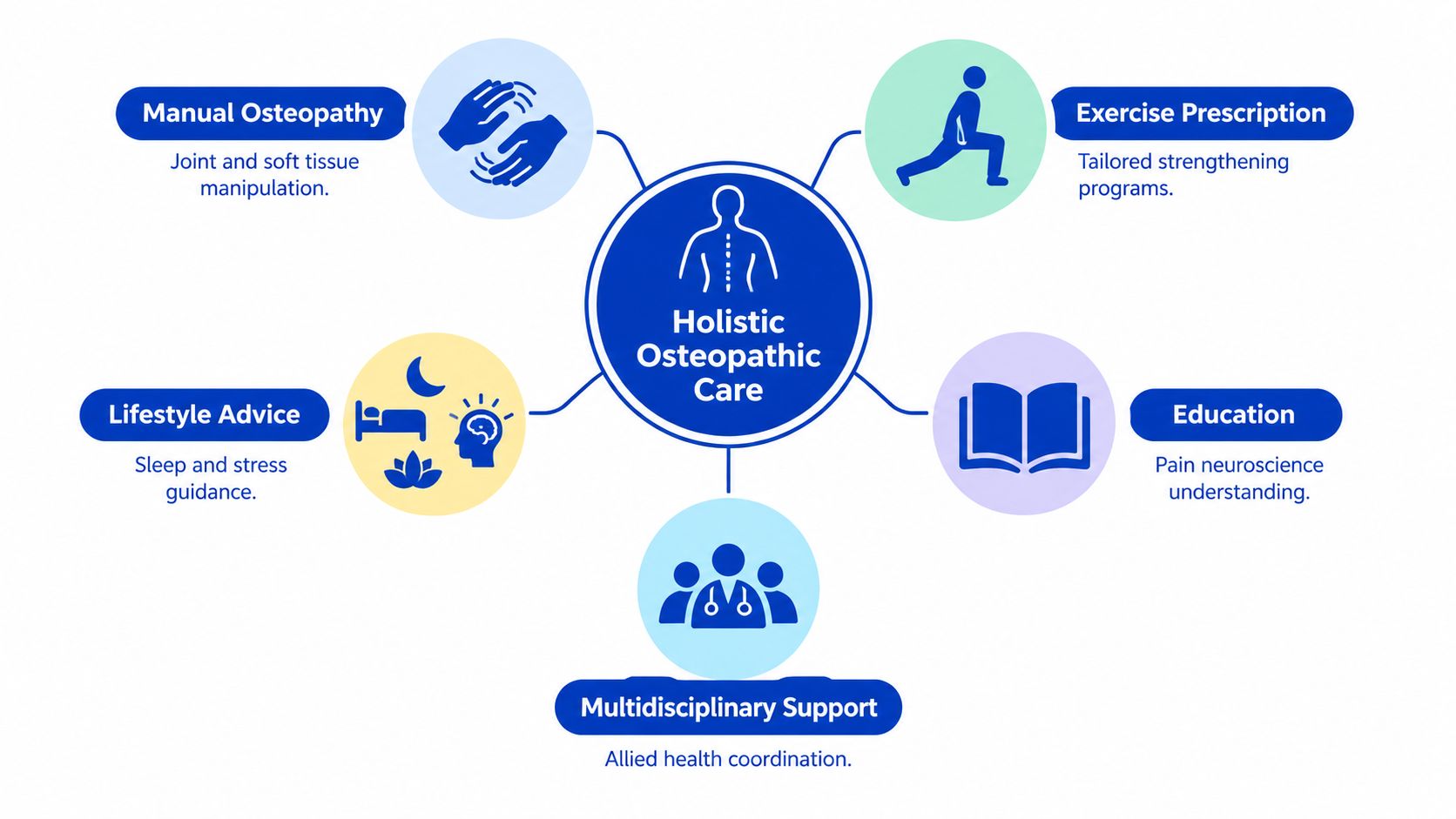
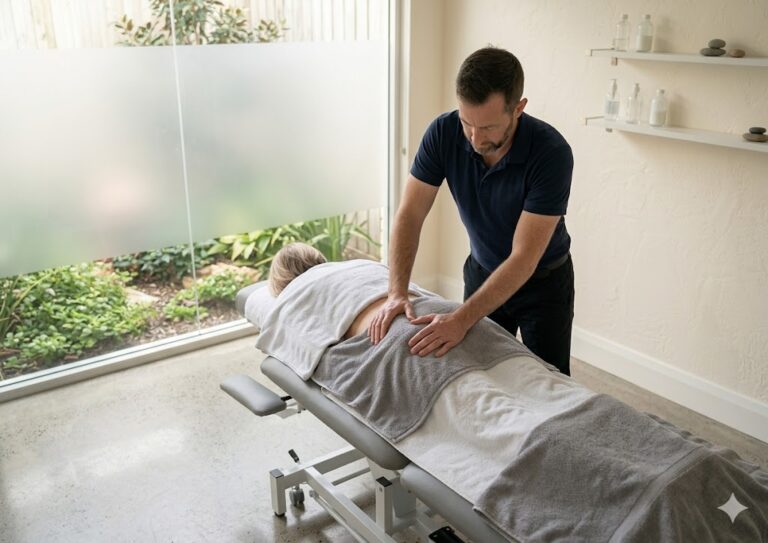
Manual osteopathic treatment may include soft-tissue work, joint articulation, and gentle mobilisation. These techniques can help address stiffness, muscle guarding, and restricted movement, but their practical value is greatest when they make the next step easier. If treatment helps you turn your neck, walk more comfortably, or tolerate an exercise, it has a clear role in the broader plan.
Exercise prescription builds on that change. A programme might begin with comfortable range-of-motion work, breathing, or low-load strengthening, then progress as tolerance improves. Graded movement isn't about forcing through severe pain. It means selecting a manageable level, observing the response, and building capacity steadily.
For readers comparing hands-on options, this remedial massage and muscle therapy resource illustrates how soft-tissue work can fit within a wider mobility plan rather than operate as an isolated solution.
A short visual explanation can also help you understand how treatment, movement, and recovery work together:
Lifestyle, education, and support
Sleep advice should be specific. That may involve changing the timing of activity, finding a more comfortable position, reducing late stimulation, or planning a calmer response to night-time flare-ups. Nutrition advice should remain practical and within the practitioner's scope. A clinician may encourage regular meals, adequate hydration, and discussion with a GP or dietitian when dietary concerns are complex.
Psychological strategies don't imply that pain is caused by a lack of resilience. Breathing exercises, mindfulness, pacing, and cognitive strategies can reduce threat and help you respond to symptoms without abandoning useful activity. A psychologist or pain specialist may add structured support when fear, low mood, trauma, or persistent distress is affecting recovery.
Education ties the pieces together. Understanding why symptoms fluctuate can reduce the urge to alternate between overdoing things on a good day and stopping completely on a difficult day. The strongest plan is usually the one you can repeat at home, at work, and during ordinary Bayside routines.
How Personalised Osteopathic Care Plans Are Built
Two people can describe “lower back pain” and need very different care. One may have pain after lifting and need a short period of load modification followed by strengthening. Another may have recurring symptoms, poor sleep, reduced walking, and concern about bending. Giving both people the same stretches because the body part is the same isn't personalised care.
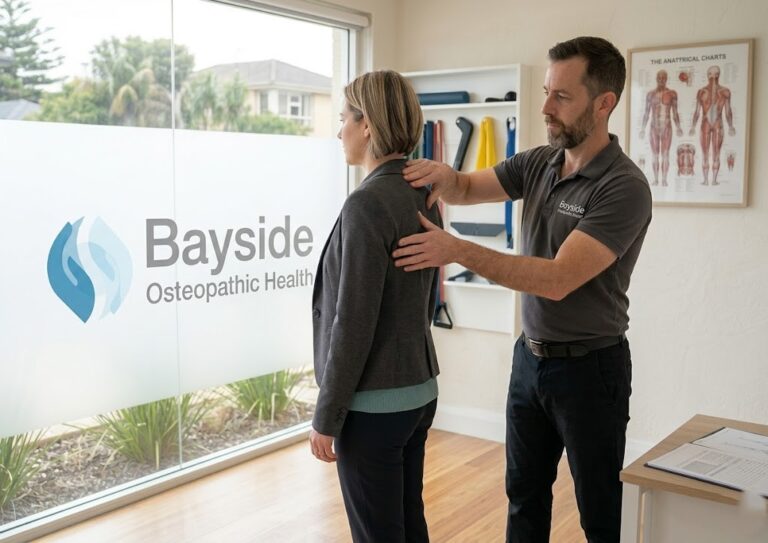
A proper assessment starts with the function you want back. The practitioner considers how you stand, walk, bend, reach, breathe, and load the affected area. They also ask about symptom behaviour, previous injuries, work demands, sleep, activity, medication, and any relevant medical history. The assessment should identify what needs treatment, what needs referral, and what you can begin practising safely.
A reactive plan compared with a functional plan
| Reactive symptom care | Goal-based holistic care |
|---|---|
| Focuses mainly on where it hurts today | Identifies the activities and roles affected |
| Repeats passive treatment without progression | Uses treatment to support movement and self-management |
| Measures success by pain intensity alone | Tracks mobility, tolerance, confidence, sleep, and participation |
| Gives general advice | Adjusts exercise, pacing, and home care to your response |
| May stop when symptoms settle briefly | Includes a strategy for maintaining gains and handling flare-ups |
Gentle techniques aren't automatically ineffective, and forceful treatment isn't automatically better. The appropriate technique depends on your presentation, comfort, health history, and response. Good care may feel precise and active even when the hands-on component is light, because the objective is improved function rather than a dramatic treatment sensation.
For a practical example of how posture and workplace demands can influence a plan, see this posture and corporate ergonomics resource. The point isn't to chase a perfect posture. It's to reduce avoidable strain and give you more options for changing position during the day.
The functional reason for this approach is clear in Australian data. The Australian Institute of Health and Welfare chronic pain data shows that among Australians aged 45 and over, people with chronic pain were 5 times as likely to be “limited a lot” in daily activities and 2.7 times as likely to be dispensed pain medication as people without chronic pain. A plan that restores movement and daily capacity therefore has a more useful target than pain intensity alone.
When to Seek Professional Help and Access Care in Bayside
You don't need to wait until pain becomes overwhelming before arranging an assessment. Seek professional guidance when symptoms persist beyond the expected recovery period, keep returning, reduce your movement, or interfere with sleep, work, exercise, or basic tasks. Sudden severe pain, significant weakness, loss of bladder or bowel control, unexplained fever, major trauma, or other concerning changes require prompt medical assessment rather than routine osteopathic treatment.
A sensible pathway starts with the right clinician for the problem. Your GP can investigate medical causes, review medication, organise referrals, and coordinate care when symptoms are complex. An osteopath can assess movement and musculoskeletal contributors, provide hands-on treatment, and develop a graded home plan. A physiotherapist, psychologist, exercise physiologist, dietitian, or pain specialist may add expertise when the assessment identifies a need.
Making access more practical
Australian guidance supports patient-centred, non-pharmacological, multidisciplinary care, but access doesn't always match the recommendation. The 2025 National Pain Survey reported that only 18% of respondents received a referral to multidisciplinary pain management, while 30% of those referred never secured an appointment. It also reported that more than half waited over two years for diagnosis and 44% waited over three years.
Those barriers make local allied health a practical starting point for some people, particularly when a GP or practitioner can coordinate further care. Ask these questions before booking:
- What will the first appointment assess? Clarify whether the consultation covers movement, lifestyle, goals, and relevant medical history, not only the painful area.
- What happens after hands-on treatment? Ask whether you'll receive movement advice, pacing guidance, or home strategies.
- When should I involve my GP or another clinician? A responsible practitioner should explain referral points and warning signs.
- What will I pay? Medicare eligibility varies according to the referral pathway and current rules. Ask your GP and the clinic whether a relevant plan applies, and check your private health fund for extras cover, waiting periods, limits, and claiming requirements.
Bayside Osteopathic Health provides whole-body assessment, gentle hands-on osteopathic care, movement advice, and practical self-care strategies for local adults with back, neck, joint, and postural concerns. You can also review this rehabilitation and exercise example as a reminder that recovery should involve active participation, not passive treatment alone.

What to track at home
Keep the monitoring simple. Note the activity you want to improve, what makes symptoms easier or harder, how long you tolerate it, and whether recovery after activity is becoming more predictable. This information gives your practitioner something more useful than a single pain score and helps identify whether the current plan needs to progress, pause, or change.
Realistic Outcomes and What Holistic Pain Relief Looks Like Over Time
Whole-person pain management isn't “gentle care” in the sense of doing very little. It can be demanding because it asks you to practise movement, adjust habits, notice stress responses, and take an active role between appointments. Hands-on treatment may help settle symptoms or improve mobility, but durable progress usually depends on what happens between sessions.
Australian reporting connected with the 2026 National Pain Report found that chronic pain affects more than 5.4 million Australians. It reported that 86% said pain had a high impact on their lives, 71% reported mental health issues after developing pain, 57% said pain affected their ability to work, and 42% said it stopped them working. These figures show why meaningful outcomes extend beyond a lower pain score.
Measure the life you want back
Useful signs of progress may include:
- Walking farther or more comfortably.
- Sitting through work with fewer interruptions.
- Sleeping with less disruption.
- Returning to exercise, hobbies, or caring responsibilities.
- Feeling less fearful of ordinary movement.
- Recovering more predictably after a busy day.
- Knowing how to respond to a flare-up without stopping everything.
Pain may still vary while these abilities improve. That doesn't mean treatment has failed. Persistent pain can require changes to activity, expectations, medical care, and psychological support at the same time. The RACGP guidance on pain supports integrated non-pharmacological and psychological strategies, consistent with a plan that combines movement, education, self-management, and appropriate clinical care.
The trade-off is that no single appointment can replace a coordinated process. Manual treatment may provide a useful starting point, while exercise builds capacity and pacing prevents the repeated boom-and-bust cycle. Sleep support and psychological strategies can make the physical work more achievable. Medical review remains important when symptoms change, fail to improve, or suggest a condition outside musculoskeletal care.
For a Bayside resident, the practical aim is not to promise a pain-free future. It's to build a body and routine that can handle more of life, with a clear plan for setbacks and the right support when self-management isn't enough.
Bayside Osteopathic Health offers personalised osteopathic assessment, gentle hands-on treatment, movement advice, and practical self-care for persistent back, neck, joint, and postural pain. Visit Bayside Osteopathic Health to explore a coordinated care approach and check current Medicare or private health fund options before booking.