
You've spent the weekend gardening, taken a coastal walk, or worked through another long day at a desk. Then you bend, turn, or stand up and feel a sharp twinge. By evening, the area feels tight and protective. The next morning, it's stiff, tender, and difficult to judge. You may be wondering whether you should rest completely, keep moving, use ice, book treatment, or wait.
That uncertainty is common because the natural healing process isn't a single event. It's a layered repair system, and the way you feel can change from hour to hour. A wound may look closed while deeper tissue is still strengthening, and pain may settle before confidence and normal movement return.
Understanding what's happening beneath the surface helps you make better decisions. You can support recovery without rushing it, recognise when progress has stalled, and seek professional guidance when self-care isn't enough.
Table of Contents
- What Healing Really Feels Like Day to Day
- The Four Stages Your Body Runs Through
- What Helps and What Gets in the Way
- The Case for Moving While You Heal
- How Gentle Osteopathic Care Fits In
- Red Flags That Mean Stop and Seek Help
- Putting It Together for Bayside Readers
What Healing Really Feels Like Day to Day
Consider a Bayside resident who tweaks their lower back while lifting a pot. The injury doesn't necessarily announce itself immediately. They finish the task, drive home, and notice a dull ache while getting out of the car. Later, turning in bed feels awkward, and the muscles around the area seem to tighten whenever they move.
The following day may bring more soreness rather than less. That doesn't automatically mean the injury is worsening. The body is responding to irritated tissue, protecting the area, and beginning the repair work that follows a strain. At the same time, the person still has a practical question: is this getting better, or am I making it worse?
A stiff neck after a demanding desk week can feel similar. The pain may ease after a warm shower, return during a long video call, and improve again after a short walk. Recovery often fluctuates because sleep, posture, workload, stress, and movement all change the demands placed on the area.
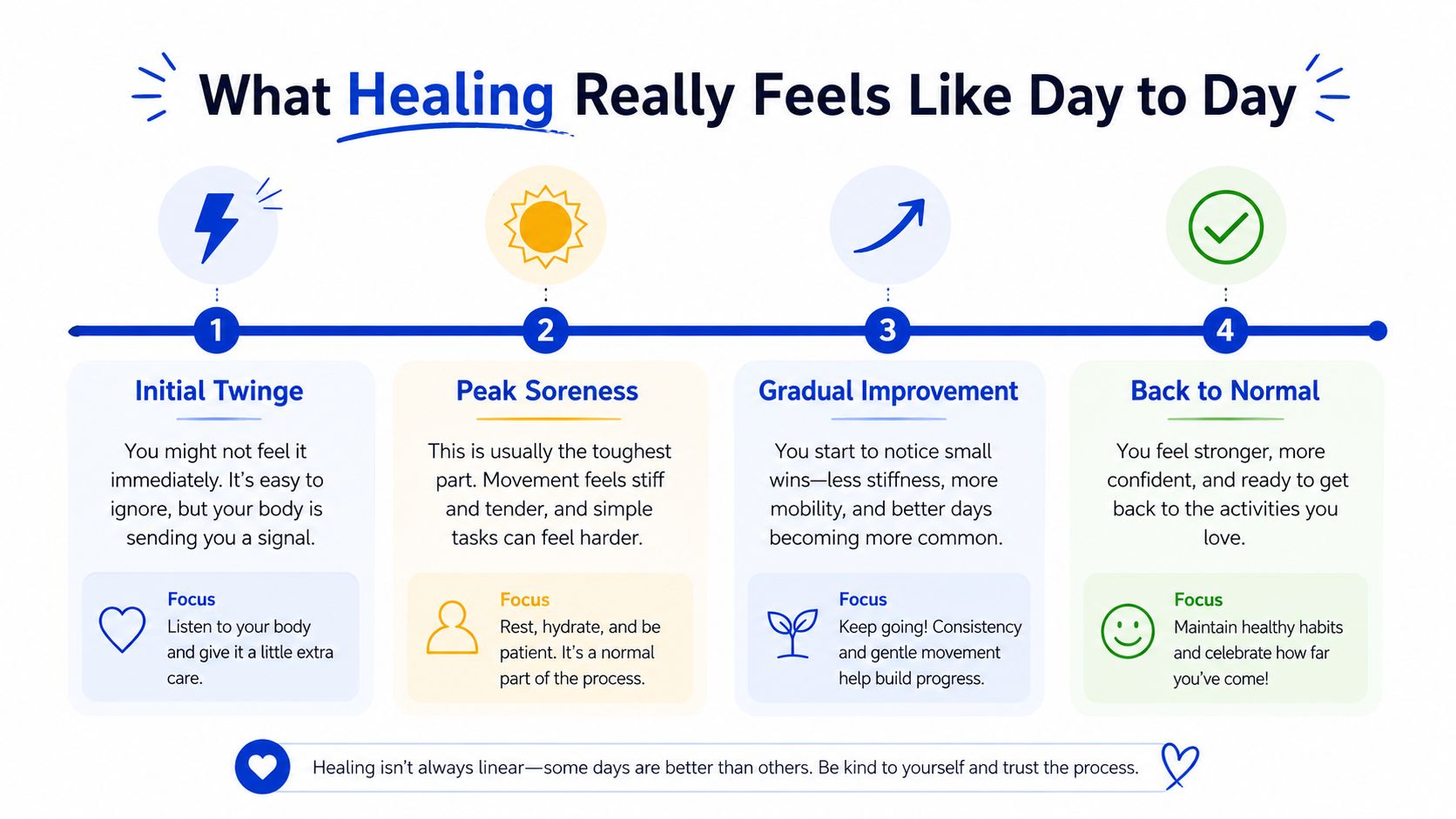
Why progress isn't always obvious
People often expect a straight line from injury to normal activity. In practice, healing can feel more like a tide. Symptoms may recede, briefly return after an overactive day, then settle again when the load is adjusted.
The important marker isn't always complete pain relief. Look for small improvements in function, such as walking a little more comfortably, turning your neck with less guarding, sleeping more easily, or completing ordinary tasks with fewer breaks. These changes show that capacity may be returning, even if the area still feels sensitive.
A useful question: “What can I do more comfortably today than I could a few days ago?”
The rest of this guide connects those daily sensations with the body's repair stages. It also explains why sleep, food, circulation, sensible movement, and timely assessment can influence whether recovery continues smoothly or drifts into a persistent problem.
The Four Stages Your Body Runs Through
Think of healing as repairing a damaged road. First, traffic control stops the immediate problem. Then a clean-up crew clears debris. Builders put down a temporary surface, and later engineers strengthen and refine the road so it can handle regular use again.
The body follows a comparable sequence. Australian health guidance describes four biological stages: haemostasis, inflammation, proliferation, and remodelling. These stages overlap, so healing isn't always neatly divided into separate boxes.
Haemostasis stops the immediate damage
Haemostasis is the body's emergency response to bleeding. Blood vessels narrow, and clotting helps limit blood loss after an injury. For a small cut, this is the stage when pressure and a dressing help the body create a stable seal.
This stage is most obvious in open wounds, but the broader principle matters for soft-tissue injuries too. The body first needs to contain the immediate disruption before it can organise repair.
Inflammation clears and protects
Inflammation often gets blamed for pain, swelling, warmth, and tenderness. Yet it's also part of the clean-up process. The immune system sends cells and chemical signals to the injured area, helping remove damaged material and prepare the tissue for rebuilding.
Healthdirect's guidance on wound care describes inflammation as typically occurring during the first 4 days after injury. That doesn't mean every person feels normal after four days. It means the early inflammatory phase has a usual biological pattern, while symptoms can persist or overlap with later stages.
Proliferation rebuilds the area
Proliferation is the construction phase. The body develops new tissue, replaces damaged structures, and begins restoring the physical integrity of the area. In wound healing, this phase commonly runs from 2 to 24 days, according to Australian wound-healing information from Better Health Victoria.
This is why a wound or strain may appear much better while still needing sensible protection. New tissue can be present without being ready for every previous demand. Gentle, progressive use can help restore function, but an abrupt return to heavy lifting or sport may overload tissue that hasn't matured.
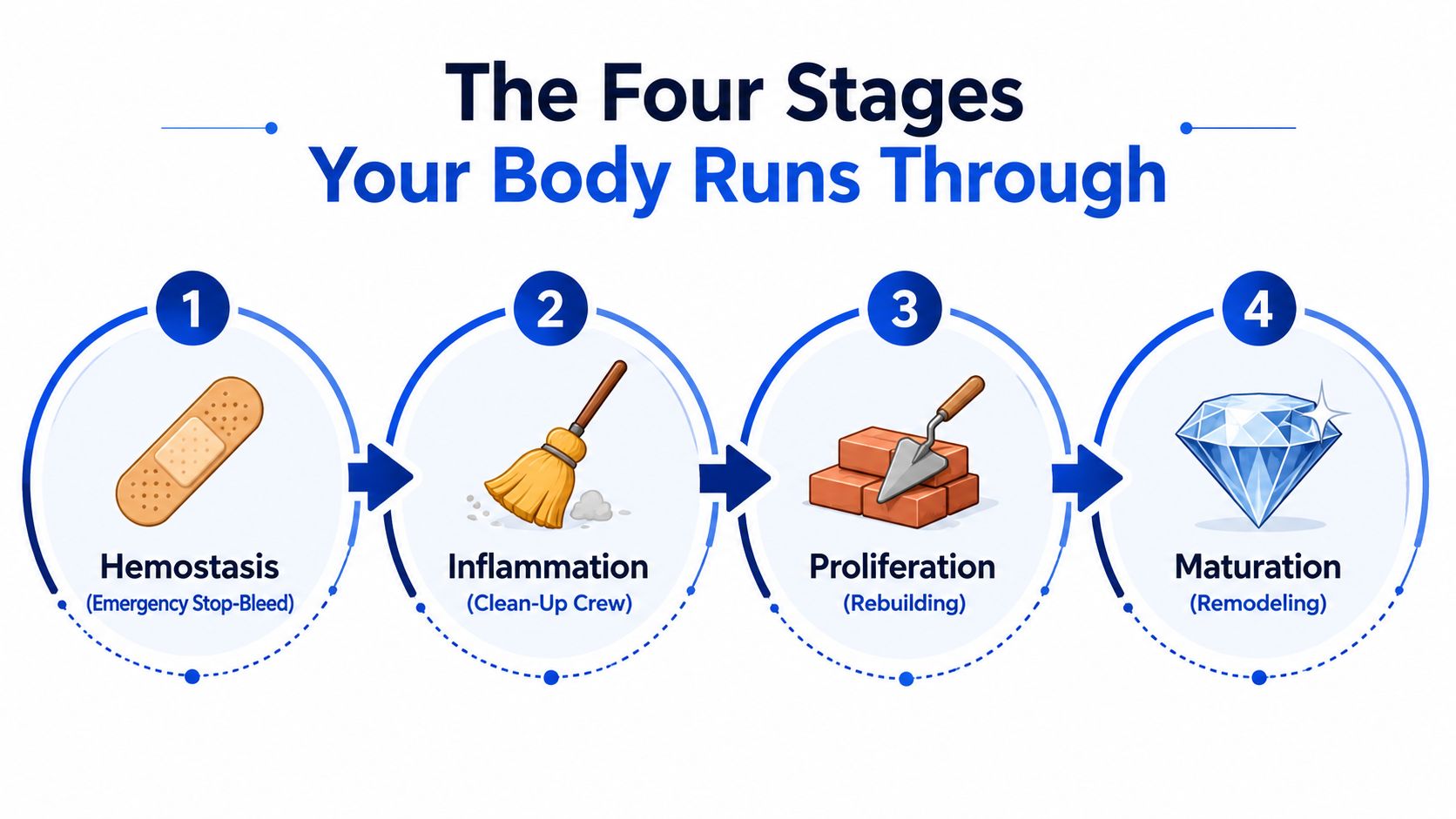
Remodelling strengthens the repair
Remodelling, also called maturation, is the quiet phase people often miss. The body reorganises collagen and adapts the repaired tissue to the loads placed upon it. Better Health Victoria describes remodelling as continuing from 24 days to 1 year, while NSW clinical guidance notes that maturation or reconstruction can last about 21 to 365 days and that scar tissue regains about 80% of its tensile strength.
Those timelines explain a common confusion. The surface may look healed within weeks, but deeper structural strengthening can continue for months. Activity, dressing choices, and self-care should reflect the tissue's current capacity, not only its appearance.
What Helps and What Gets in the Way
Healing needs a supportive environment. That doesn't mean you need a perfect routine or a cabinet full of supplements. It means reducing avoidable obstacles while giving the body regular, appropriate input.
The daily foundations
Sleep matters because recovery is an active biological task. A person who spends the night waking from pain may have less energy for ordinary movement the next day, creating a cycle of guarding and reduced capacity. A consistent bedtime, a comfortable position, and sensible evening screen habits can make rest easier.
Food supplies building materials. Regular meals containing protein-rich foods support the body's repair demands, while a varied diet provides the nutrients required for normal tissue function. Hydration also supports everyday physical function, particularly when stiffness and fatigue make movement feel harder.
Circulation benefits from changing position. A desk-based worker who sits through long blocks of calls may repeatedly load the same muscles while allowing other areas to become inactive. Short walks, position changes, and gentle mobility can make the day less static.
Stress changes how symptoms are experienced. Stress doesn't mean pain is imaginary. It can increase muscle guarding, disrupt sleep, and make normal sensations feel more threatening. Breathing slowly, pacing tasks, and separating “uncomfortable” from “dangerous” can help a person stay engaged with recovery.
The factors that commonly hinder progress
Smoking can interfere with the body's repair environment, while excessive heat or ice can irritate skin or distract from the need to assess a problem properly. Complete rest can also become counterproductive when it continues beyond the early protective period.
Nutrition advice should stay practical. Before buying a supplement, consider whether meals, sleep, activity, and medical review have been addressed. For people with ongoing joint symptoms, this visual guide to natural joint-health strategies can help frame self-care as a combination of habits rather than a search for one healing product.
Know when the normal path has changed
Queensland Health defines an acute wound as one that heals within no more than 4 weeks. A chronic wound fails to progress normally through the healing phases and doesn't heal within that period, as explained in Queensland Health's wound-care guidance. That distinction gives people a useful reason to arrange follow-up rather than waiting indefinitely.
Movement is one of the most important parts of this environment. The question isn't whether to move at all, but how to choose the right amount and intensity for the stage of recovery.
The Case for Moving While You Heal
You twist an ankle, rest for several days, then discover that ordinary walking feels harder than expected. The joint has been protected, but it has also had less practice handling everyday demands. Recovery therefore needs both protection and a gradual return to useful movement.
During the first 48 to 72 hours after an acute soft-tissue injury, relative rest, compression, elevation, and sensible activity changes can reduce extra tissue stress and swelling, as outlined in the Victorian Ambulance soft-tissue injury guidance. Relative rest means reducing activities that aggravate symptoms while keeping safe movement available.
Protection first, then useful loading
An ankle sprain may call for shorter walks, temporary support, and elevation. A back strain may need lighter lifting and more frequent changes of position. A sore neck after prolonged desk work may settle more reliably with regular, gentle movement than with holding the head rigidly.
Graded activity works like adjusting a dimmer switch, rather than flicking a light from off to full brightness. The physiotherapy treatment image reflects this principle: support and equipment can help a person practise movement at a manageable level.
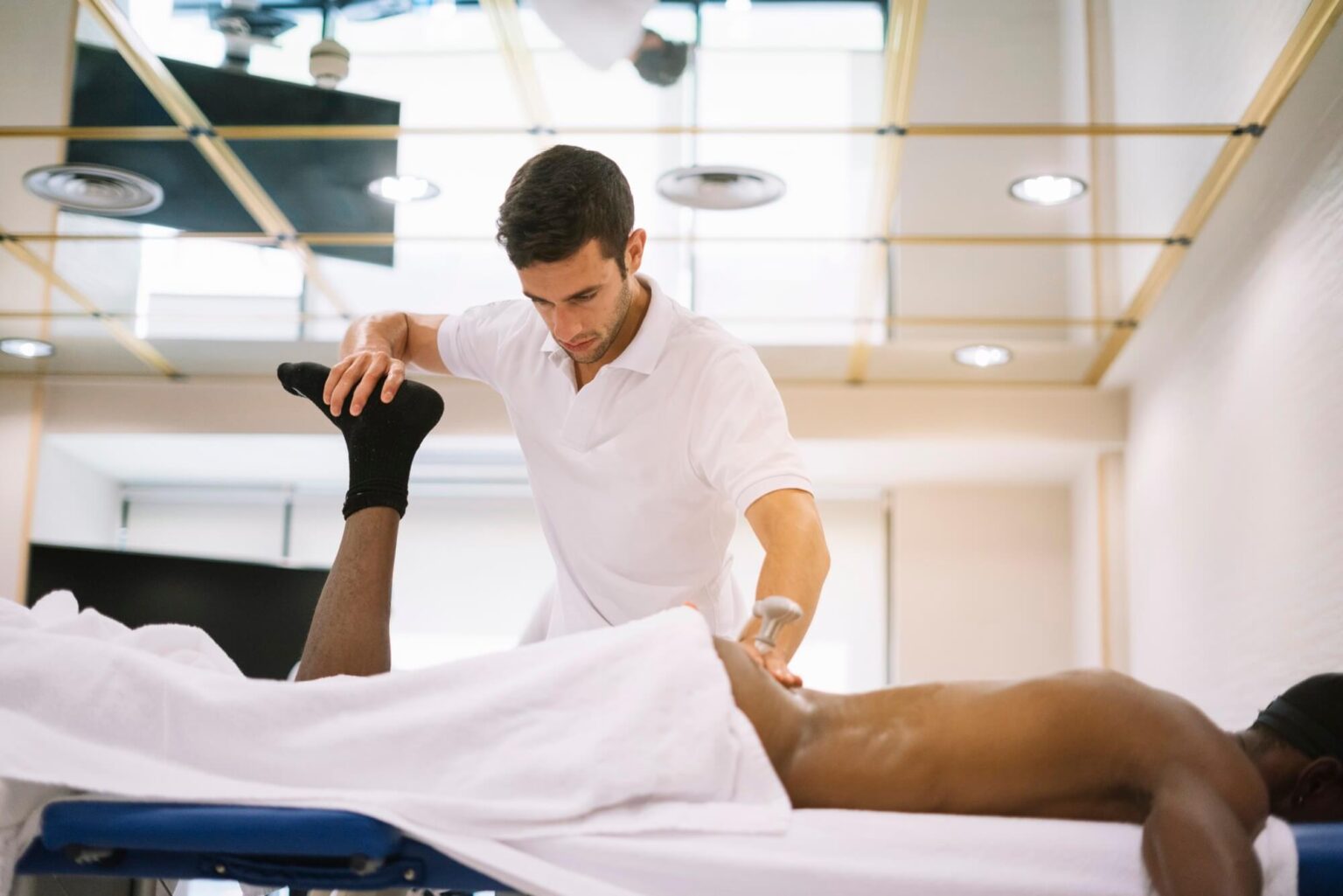
Pain provides information, but it is not a perfect damage meter. Mild, manageable discomfort during a controlled movement may be acceptable. Sharp, increasing, or spreading symptoms mean the activity, range, or speed needs to change.
Practical rule: Move within a tolerable range, then check how you feel later that day and the following morning.
A realistic recovery window
Many uncomplicated sprains and strains recover fully in about 1 to 6 weeks, depending on injury severity, age, and general health, according to the same Australian soft-tissue injury guidance. This range guides planning, not guarantees. A mild strain and a more substantial injury will not follow identical schedules.
An older adult with osteoarthritis may avoid movement because a joint feels vulnerable. An office or remote worker may continue long static postures, then attempt an intense workout to compensate. Both situations can benefit from a graded plan that begins with manageable activity and builds capacity steadily.
Hands-on care can make movement more comfortable and clarify which tasks are helpful, neutral, or excessive. Its value is greatest when treatment supports better use of the body between appointments, rather than replacing that use.
How Gentle Osteopathic Care Fits In
Osteopathic care is best understood as an assessment-and-guidance process, not a single technique that forces the body to heal. An appointment generally begins with questions about the problem, relevant health history, daily demands, and changes in symptoms. The practitioner then observes how you stand, walk, bend, breathe, and use related areas of the body.
That whole-body view matters because the painful spot isn't always the only area contributing to the problem. A sore neck may be affected by prolonged desk positioning and upper-back stiffness. A painful knee may be influenced by how the hip, ankle, and surrounding muscles handle load. Assessment helps the practitioner decide what can be addressed safely and what needs referral.
What treatment may include
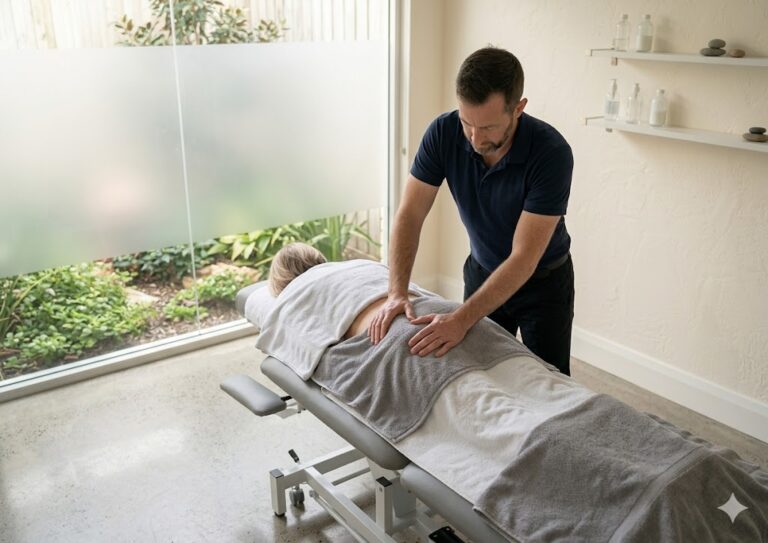
Depending on the person and the presentation, care can include soft-tissue work, joint articulation, gentle mobilisation, stretching, and movement advice. The techniques should be selected for the individual, especially when pain is persistent, confidence is low, or an older person has multiple health considerations.
A useful appointment should leave you with more than temporary relief. You should understand what to do between visits, how to modify aggravating tasks, and which signs mean the plan needs review. This example of remedial massage and muscle therapy illustrates one type of hands-on support, but hands-on work is only one part of a broader recovery plan.
Where osteopathy fits, and where it doesn't
For chronic joint conditions, the RACGP describes some evidence for glucosamine sulfate at 1500 mg per day in mild-to-moderate knee osteoarthritis, with reported benefits for pain and function, while remaining cautious about nutraceuticals and many herbal therapies in general. The RACGP guidance on complementary therapies for arthritis supports a broader interpretation: load management and exercise-based rehabilitation remain central, with selected adjuncts considered carefully.
Osteopathic treatment can ease pain and improve mobility for some people, but it isn't a standalone cure and shouldn't replace diagnosis, medical management, or exercise. Bayside Osteopathic Health serves the local Bayside community with gentle hands-on assessment and movement advice for concerns such as back pain, neck pain, joint stiffness, postural strain, and arthritis-related discomfort. Practitioners can also explain Medicare options where applicable for eligible patients, alongside private health cover considerations.
Red Flags That Mean Stop and Seek Help
Natural recovery is appropriate for many uncomplicated problems, but waiting isn't always safe. Australian musculoskeletal guidance emphasises red-flag screening, selective imaging, and follow-up when symptoms don't improve as expected. Arrange medical assessment promptly if you're unsure about the cause or the pattern is changing.
Seek urgent help for:
- Severe or worsening pain: Especially when pain escalates rather than settling with reasonable rest and activity modification.
- Neurological changes: Numbness, tingling, new weakness, or loss of bladder or bowel control requires urgent assessment.
- Possible fracture or major injury: Visible deformity, inability to bear weight, or a significant injury mechanism should be assessed rather than tested repeatedly at home.
- Possible infection: Spreading redness, increasing warmth, pus, fever, or feeling acutely unwell can indicate a problem with wound healing.
- Serious general symptoms: Sudden severe headache, chest pain, or shortness of breath needs urgent medical attention.
- Failure to improve: A soft-tissue injury that isn't progressing within the expected 1 to 6 week recovery window should be reviewed, with the timeframe supported by Victorian soft-tissue injury guidance.
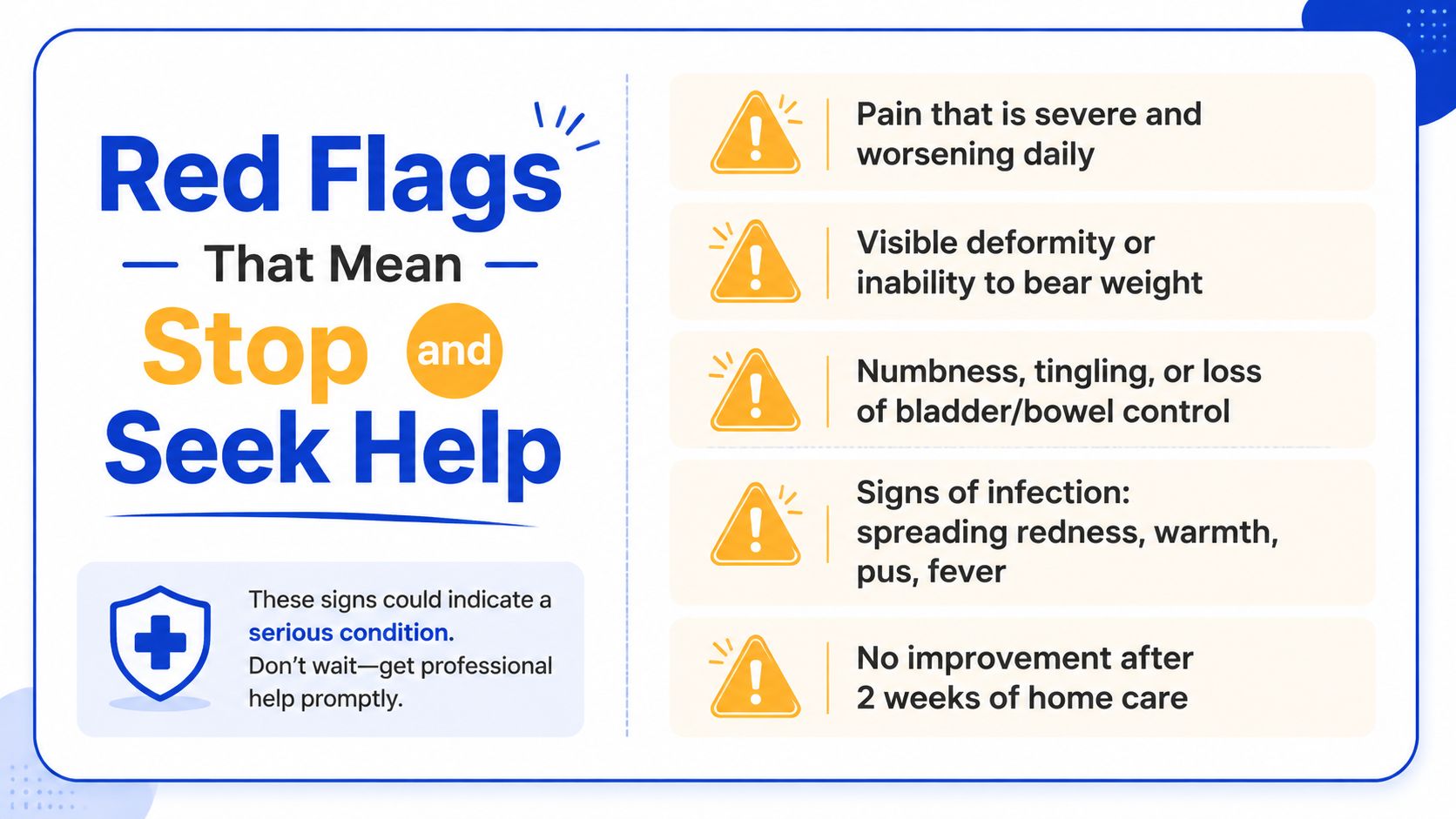
Asking a GP or emergency service for help isn't a failure of natural healing. It's part of protecting the body when the pattern doesn't fit an uncomplicated recovery.
Putting It Together for Bayside Readers
Use the natural healing process as a guide, not a stopwatch. First, consider whether you're in the early protective phase, the rebuilding phase, or the longer strengthening phase. Then match your choices to that stage with reliable sleep, regular nourishing meals, hydration, manageable activity, and gradual increases in load.
For chronic pain, progress may mean walking farther, returning to work with fewer breaks, sleeping more comfortably, or moving with less fear. The 2025 National Pain Report found that 54% of respondents said their chronic pain diagnosis takes longer, a finding reported in the National Pain Report 2025. That delay can make function-focused recovery especially important while assessment and treatment continue.
Gentle osteopathic care may complement self-care when pain, stiffness, or uncertainty is limiting movement. Red flags still come first, and persistent symptoms deserve proper medical review rather than an endless cycle of waiting and restarting.
Bayside Osteopathic Health offers guidance on Medicare options where applicable for eligible patients and works with private health cover, so ask about access when arranging care.
If persistent pain, stiffness, or reduced mobility is making everyday activities harder, Bayside Osteopathic Health can assess how your body is moving and provide gentle hands-on treatment alongside practical movement advice. Visit the clinic to discuss your symptoms, recovery goals, and the next safe step towards moving with greater comfort and confidence.