

You wake with a knee that feels locked, hands that resist the first cup of tea, or hips that need several careful steps before they settle. By mid-morning, the stiffness may ease, only to return after sitting at a desk, walking along the Bay, or carrying shopping. Reaching for a supplement can feel simpler than changing how you move, but natural pain relief for arthritis works best when it's practical, consistent, and matched to the type of arthritis and the symptoms you're experiencing.
Natural care isn't a fringe alternative to proper treatment. Australian guidance places exercise at the centre of knee and hip osteoarthritis management, while heat, self-management, hands-on care, and targeted daily adjustments can support comfort and function. The important distinction is knowing what has useful evidence, what may help only in a particular situation, and what remains popular despite limited support.
Table of Contents
- Rethinking Arthritis Management Beyond Medication
- Movement and Heat Therapy Foundations
- Navigating Supplements and Dietary Choices
- The Role of Osteopathic Manual Therapy
- Daily Posture and Targeted Symptom Care
- Recognizing Red Flags and When to Seek Help
- Building Your Personalised Bayside Care Plan
Rethinking Arthritis Management Beyond Medication
A patient may arrive at the clinic describing the same pattern: a painful first walk in the morning, difficulty standing after a long drive, and a growing fear that movement will make the joint worse. They may already be taking medication, using a brace, or searching online for turmeric, glucosamine, or an anti-inflammatory diet. Often, the problem isn't a lack of effort. It's that no one has helped them connect the joint, the surrounding muscles, their daily habits, and the way they respond to discomfort.
Arthritis pain is influenced by more than the joint surface alone. Stiffness changes how you walk, altered walking changes how the hip and back work, and protective muscle tension can make ordinary tasks feel harder. An osteopathic assessment looks at those relationships rather than treating the painful area in isolation.
A useful starting point: natural care should help you move more comfortably and participate more fully in daily life. It shouldn't ask you to ignore persistent swelling, abandon prescribed treatment, or believe that one product can repair an arthritic joint.
For knee and hip osteoarthritis, Australian rheumatology guidance strongly recommends land-based exercise for all people because it improves pain and function. The recommendation applies regardless of age, structural severity, functional status, or pain level, which makes movement a foundational intervention rather than an optional extra. Australian guidance on knee and hip osteoarthritis management
That doesn't mean every person should follow the same programme. Someone with a stiff hip may need gradual walking and strength work, while someone with hand arthritis may need task modification, heat, splinting, and carefully selected mobility exercises. A person with rheumatoid arthritis also needs medical oversight because self-care can support comfort but can't replace disease-modifying management.
The osteopathic approach is collaborative. We assess how you load the joint, how nearby areas compensate, and which movements remain comfortable. Treatment then combines appropriate hands-on techniques with a manageable home plan, so the benefit doesn't depend on what happens in the consulting room alone.
Movement and Heat Therapy Foundations
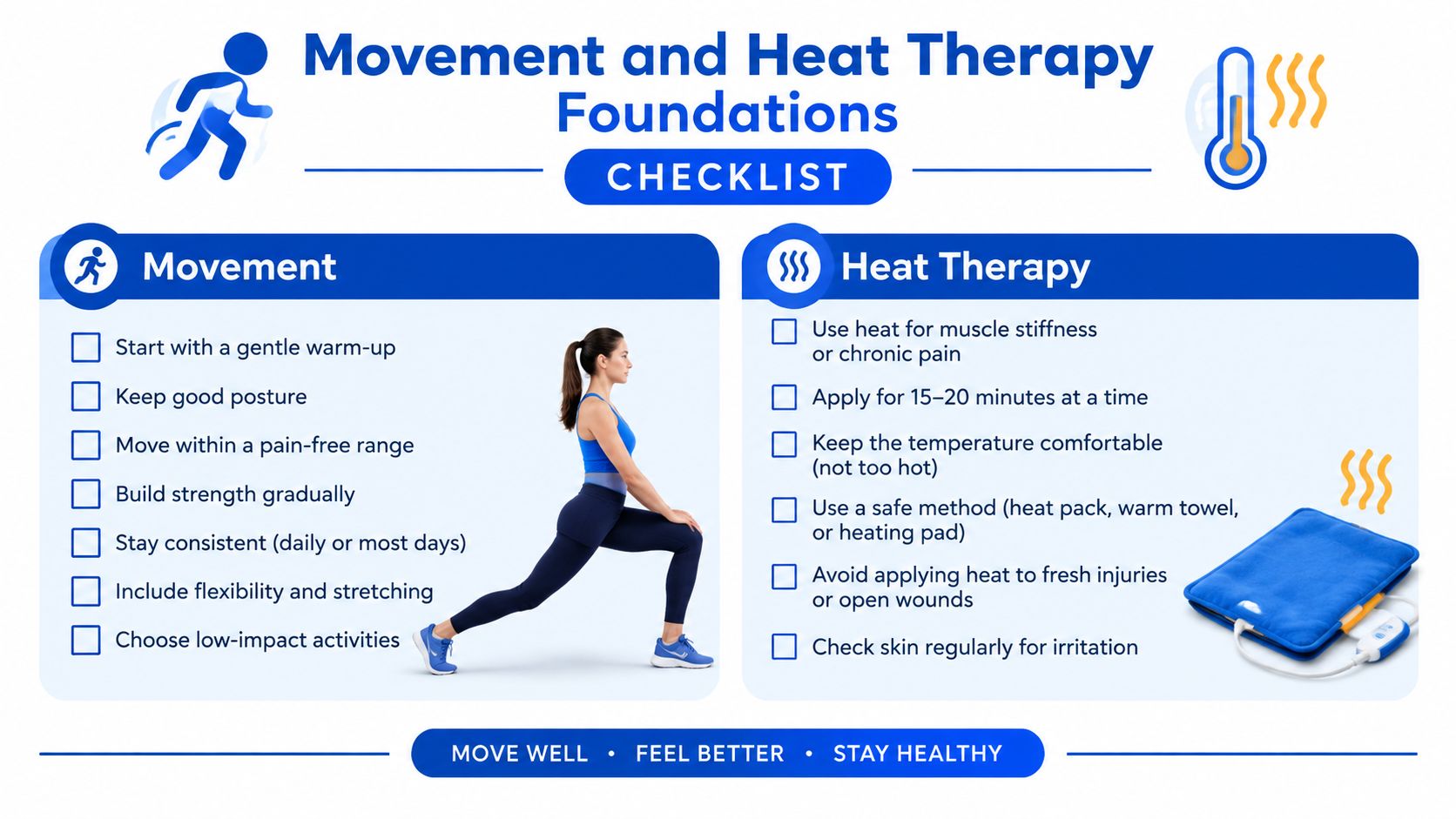
A knee that stiffens after sitting, or a hip that aches after a short walk, often needs carefully dosed movement rather than complete rest. For knee and hip osteoarthritis, land-based exercise is supported by Australian guidance because strength, aerobic activity, and flexibility work can improve pain and function. Walking, Tai Chi, stationary cycling, and aquatic exercise are practical low-impact options. Choose the activity you can repeat without causing a prolonged flare. Australian arthritis guidance on physical activity and exercise
Build a repeatable routine
Begin with the movement your joint currently tolerates. A useful routine may include:
- Gentle preparation: Move through comfortable ranges before walking or strengthening.
- Low-impact aerobic work: Use walking, Tai Chi, stationary cycling, or water exercise.
- Strength practice: Try controlled sit-to-stands, supported leg work, or exercises prescribed for your joint.
- Flexibility work: Stretch gently once the body is warm, without forcing the end range.
- Progressive loading: Increase duration or resistance gradually, rather than changing several variables at once.
Australian guidance commonly works towards at least 150 minutes of moderate activity each week, divided into 20 to 60 minute sessions where appropriate. The “two-hour pain rule” helps assess whether the workload was suitable. Australian guidance on heat therapy for knee and hip osteoarthritis
If pain has returned to its usual level within two hours, the session was probably tolerable. If discomfort remains clearly worse after that point, reduce the next session's duration, intensity, or range. The aim is consistent loading that gives the joint and surrounding muscles a chance to adapt without repeatedly exceeding current capacity.
Use heat to make movement easier
Heat can help when stiffness is the main barrier to movement. Hot packs, a warm bath, sauna, or shower may provide short-term comfort and make gentle exercise easier. A common routine is 20 to 30 minutes, two to three times daily, provided the skin remains protected and comfortable.
Apply heat before gentle movement when the joint feels stiff and cool. Check the temperature and stop if the area becomes painful or irritated. Avoid heat over a joint that is acutely hot, visibly swollen, or actively inflamed. Local cold application is not suggested for knee or hip osteoarthritis in the Australian guideline because evidence of benefit is very low, so the symptom pattern should guide your choice.
For a visual example of mobility work that can fit into daily care, see this illustrated mobility and fitness resource.

Navigating Supplements and Dietary Choices
Australians already use natural products for arthritis in substantial numbers. In the 2007–08 National Health Survey, 50.7% of Australians with osteoarthritis reported using supplements or natural remedies, according to the Australian Institute of Health and Welfare report on arthritis. The same report estimated that among people with rheumatoid arthritis, 28% used exercise, 13% used massage or water therapy, and around 38% used health supplements for pain or symptom control.
Those figures show genuine interest, not proof that every product works. Arthritis Australia describes little or no clear evidence for several commonly discussed remedies, including glucosamine, chondroitin, fish oil for rheumatoid arthritis, willow bark, devil's claw, and some herbal patches. The sensible response isn't to dismiss every complementary approach. It's to separate a low-risk supportive habit from an expensive product promoted as a cure.
Evidence Check: Popular Arthritis Remedies
| Natural remedy | Public usage | Clinical evidence status |
|---|---|---|
| Supplements and natural remedies generally | Widely used by Australians with osteoarthritis | Use is common, but evidence varies substantially between products |
| Glucosamine and chondroitin | Frequently discussed for osteoarthritis | Arthritis Australia reports little or no clear evidence |
| Fish oil for rheumatoid arthritis | Commonly considered as a supplement | Arthritis Australia reports little or no clear evidence for this use |
| Willow bark and devil's claw | Popular herbal options | Arthritis Australia reports little or no clear evidence |
| Herbal patches | Commonly promoted online | Evidence is unclear for several products |
| Weight management for knee and hip osteoarthritis | A lifestyle strategy rather than a supplement | Arthritis Australia's osteoarthritis information says weight loss of 10% can significantly reduce pain in knee and hip osteoarthritis |
The strongest dietary message is more practical than a supplement list. No diet cures osteoarthritis, and Arthritis Australia notes there's very little evidence that particular foods are universally good or bad for it. For people with knee or hip osteoarthritis who carry excess weight, however, a 10% reduction in body weight can significantly reduce pain, according to Arthritis Australia's evidence guide for complementary therapies.
That doesn't call for a punishing diet. It means working with your GP or an accredited practising dietitian on sustainable eating, adequate protein, and gradual changes that support activity. Supplements can also interact with medicines or be unsuitable with some medical conditions, so discuss them with your pharmacist or doctor before starting them.
The Role of Osteopathic Manual Therapy
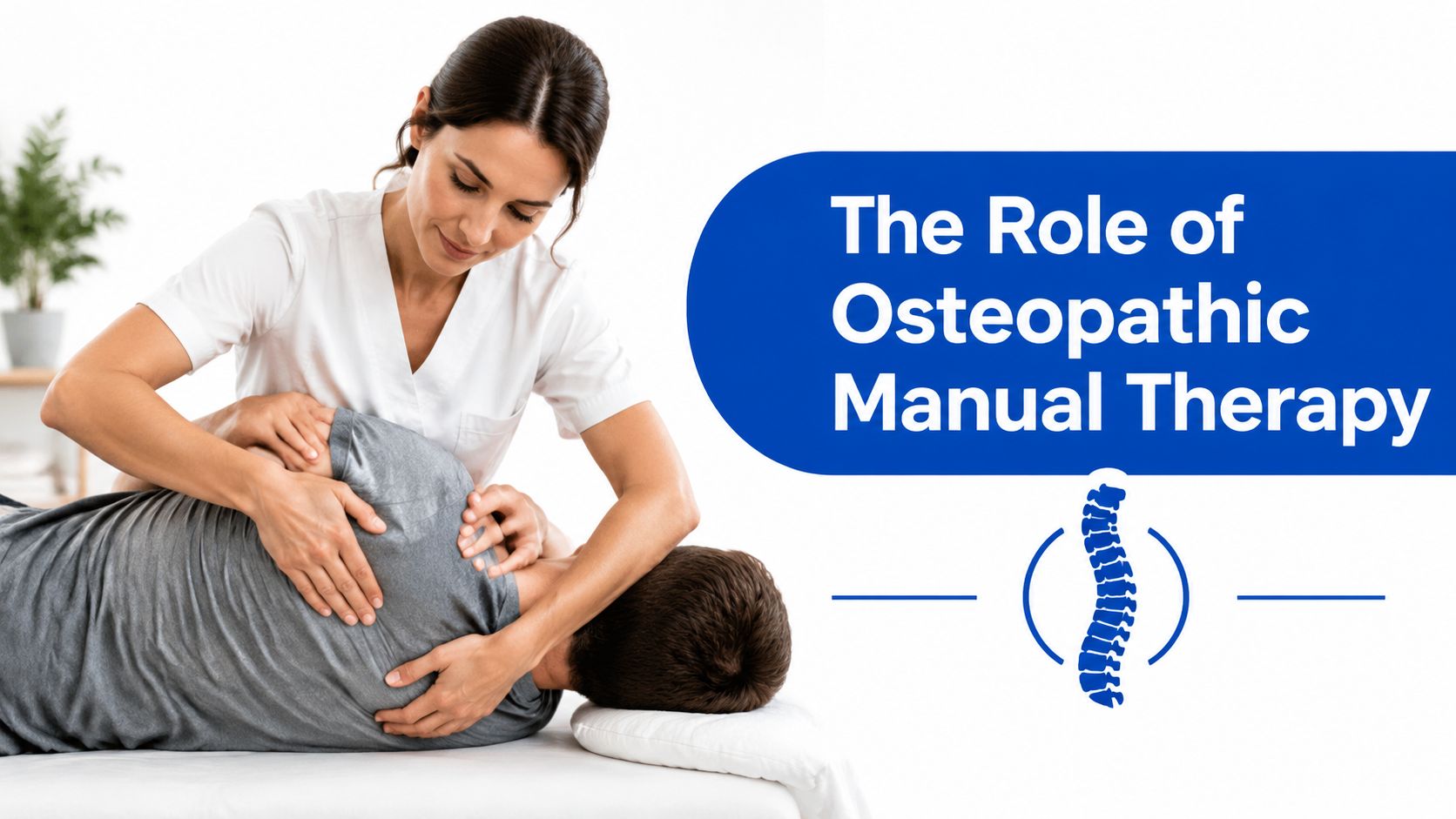
Exercise gives an arthritic joint a reason to move, but pain and stiffness can make the first step difficult. Hands-on treatment can help reduce the surrounding tension and improve the quality of movement, making a home programme feel more achievable.
An osteopathic consultation usually begins with questions about your symptoms, activity, medical history, and daily limitations. We then observe how you stand, walk, bend, reach, and load the affected area. The assessment may include the spine, pelvis, muscles, and nearby joints because a painful knee or hip rarely works independently of the rest of the body.
What gentle treatment can include
- Soft-tissue techniques: Work on muscles and connective tissues that are guarding or carrying extra load.
- Joint articulation: Guide a joint through comfortable movement to address stiffness without forcing it.
- Gentle mobilisation: Use graded movement techniques selected for your symptoms and tolerance.
- Movement coaching: Adapt walking, lifting, desk work, or exercise so the joint isn't repeatedly irritated.
- Home care planning: Give you a small number of realistic actions to practise between visits.
The aim isn't to “put arthritis back into place”. Osteopathic care can't reverse structural joint changes, and it shouldn't be presented as a replacement for medical assessment. Its role is to improve comfortable movement, reduce compensatory tension, and help you stay engaged with the active strategies that support function.
Older adults often worry that hands-on treatment will be forceful. Techniques can be adjusted to pain levels, joint sensitivity, bone health, and the degree of joint change. If a technique doesn't feel appropriate, it shouldn't be used just because it's part of a routine.
For more context on how an osteopath may approach joint symptoms, review this guide to osteopathic care for arthritis and joint pain. Medicare support may be available for some allied health services through eligible chronic disease management arrangements, but access depends on your GP plan and personal circumstances. Ask your GP and the clinic about current eligibility before booking on that basis.

Daily Posture and Targeted Symptom Care
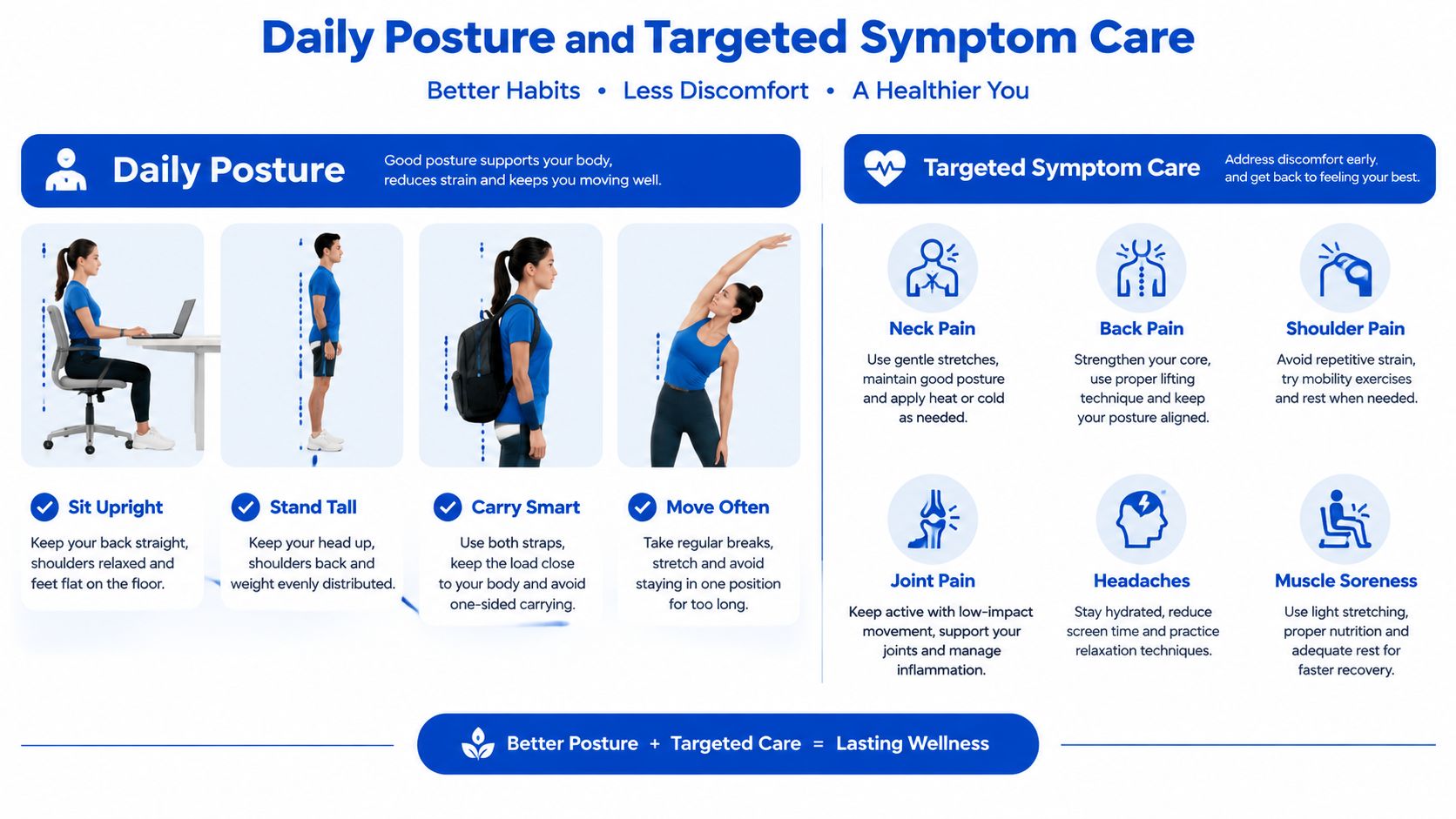
Arthritis is affected by what happens between exercise sessions. A shoulder that stays raised during computer work, a wrist bent while using a mouse, or a hip held in one position for a long period can add repeated strain to an already sensitive area. Small changes won't cure arthritis, but they can reduce the number of irritating exposures your joints receive across the day.
Make the environment do some of the work
Set your chair so your feet feel supported and your hips and knees are comfortable. Keep frequently used objects close enough that you don't repeatedly reach, twist, or lift from an awkward position. At a desk, alternate sitting with brief periods of standing and easy movement rather than waiting until stiffness becomes severe.
A laptop often encourages the head and neck to drop forward. If you use one for extended work, raise the screen and use a separate keyboard and mouse where practical. Keep the mouse close, let the shoulders relax, and change position regularly. These adjustments are especially useful for office and remote workers who may unconsciously hold one posture for long periods.
Match care to the symptom
Hand and wrist arthritis needs a more local plan than knee arthritis. Gentle daily stretching can help maintain available movement, while a supportive splint may reduce irritation during a task or at night. Use a splint as a tool for specific activities, not as a reason to stop moving the hand completely.
Heat may help stiffness in the hands. Healthdirect lists self-management options such as staying active, massage, acupuncture, TENS, mindfulness, and meditation, while Arthritis Australia's hand and wrist information also discusses heat and cold, capsaicin creams, Arnica gel, and some evidence for low-level laser therapy in hand rheumatoid arthritis. Healthdirect's arthritis self-management information can help you compare options, but check topical products with a pharmacist, particularly if you take medicines or have sensitive skin.
For a practical workstation reference, use this posture and corporate ergonomics guide. The best adjustment is the one you can maintain without creating a new problem elsewhere.
Recognizing Red Flags and When to Seek Help
“Natural” doesn't mean “appropriate in every situation”. A stable, familiar pattern of arthritis pain may respond well to movement, heat, and conservative care. A sudden change in symptoms requires a different level of caution.
Seek prompt medical assessment for a joint that becomes suddenly and severely swollen, particularly if the change is unusual for you. A hot, intensely painful joint can have causes that need medical investigation rather than a home exercise experiment. Don't massage aggressively or apply heat to an acutely inflamed area while waiting for an explanation.
Pause self-care when the wider body is involved
Contact your GP or seek urgent medical advice if joint symptoms occur with:
- Fever or night sweats: These systemic symptoms can signal an illness that needs assessment.
- Rapid, unexplained weight loss: Unintentional change alongside persistent pain shouldn't be attributed automatically to arthritis.
- Marked deterioration: A rapid loss of function, new weakness, or inability to bear weight needs review.
- New widespread symptoms: Multiple newly painful or swollen joints may indicate inflammatory disease or another condition.
- Injury-related pain: A fall, twist, or impact can cause damage beyond an arthritis flare.
The “push through it” approach is also unsafe when pain changes sharply or continues escalating. Exercise should challenge your capacity gently, not force you through severe pain, new swelling, or a prolonged worsening pattern.
People with suspected or diagnosed rheumatoid arthritis should maintain contact with their GP or rheumatology team. Exercise, pacing, relaxation, and hands-on care may support daily function, but they don't replace assessment or prescribed treatment for an inflammatory condition. A practitioner should also know about osteoporosis, recent surgery, significant swelling, anticoagulant use, and other health factors before providing manual therapy.
Building Your Personalised Bayside Care Plan
A useful plan is small enough to follow on a busy weekday and specific enough to measure. Start by identifying the main barrier: morning stiffness, pain after sitting, reduced walking tolerance, hand fatigue, or fear of movement. Then choose one movement habit, one symptom-relief strategy, and one daily adjustment that directly addresses that barrier.
A practical starting framework
For morning stiffness, try gentle joint movements followed by warmth, then walk or perform easy strengthening while the body is more prepared. Keep the intensity modest and use the two-hour pain rule to judge the response.
For knee or hip pain, prioritise repeatable land-based activity. Walking, Tai Chi, stationary cycling, and water exercise can all be useful, depending on your balance, strength, access, and preferences. Add targeted strengthening rather than relying on stretching alone.
For hand and wrist symptoms, review how you grip tools, hold a phone, type, and open containers. A splint, heat, topical option, or occupational therapy referral may be more relevant than a general supplement.
For symptoms affected by body weight, work with a qualified health professional on sustainable weight management. The evidence-supported target described by Arthritis Australia is specific to weight loss and knee or hip osteoarthritis, not a promise that dieting will cure arthritis.
For persistent stiffness or compensatory tension, an individual assessment may clarify which movements are limited and whether gentle manual therapy could support your exercise plan. Bayside Osteopathic Health provides hands-on osteopathic care, movement advice, and practical self-management guidance for people with arthritis-related discomfort. The clinic can also discuss Medicare options where applicable and provide local education through its newsletter.
Natural pain relief for arthritis isn't one remedy. It's a coordinated approach that combines consistent movement, appropriate heat, sensible dietary decisions, ergonomic habits, and professional guidance when symptoms limit progress. The right plan should leave you more confident about what to do on an ordinary day, not more dependent on searching for the next product.
Bayside Osteopathic Health offers gentle, personalized osteopathic assessment and hands-on care alongside movement advice for arthritis-related stiffness and joint pain. Visit Bayside Osteopathic Health to arrange an assessment and discuss practical strategies for moving more comfortably in daily life.