

You wake up with a tight neck, spend the day shifting in your chair, then notice your lower back complaining when you get out of the car at the shops in Pascoe Vale. Or maybe it's the opposite problem. You feel fine during the week, then your body stiffens up after a run, a gym session, or a long shift on your feet. At that point, searching for massage makes sense. You want relief, and you want it soon.
That search is usually the start of a bigger question. Do you need a relaxation massage, remedial work, sports massage, or something more structured like osteopathic care? For some people, massage is exactly the right fit. For others, it helps best as one part of a broader plan that also addresses movement, posture, and joint function.
That's worth understanding because in Australia, approximately 79% of people who receive massage do so for health reasons such as pain relief and injury recovery, not just for pampering, according to this massage therapy market analysis. In suburbs such as Pascoe Vale, local demand for therapeutic hands-on care is well established.
Table of Contents
- Finding Hands-On Relief in Pascoe Vale
- A Guide to Common Massage Types
- Relief for Back Pain Posture and Arthritis
- Massage vs Osteopathy Understanding the Difference
- Your First Appointment and Choosing a Clinic
- Booking Costs and Navigating Health Funds
Finding Hands-On Relief in Pascoe Vale
A common local pattern goes like this. Someone works from home at the kitchen table for months, starts getting headaches and upper shoulder tightness, then books a massage because the body finally says enough. Another person plays social sport on the weekend, feels fine during the match, then wakes up on Monday with calf tightness, hip stiffness, and a sore back.
Both people are looking for Pascoe Vale massage for a good reason. They want something practical, local, and hands-on. They don't want a lecture. They want to know what will prove helpful.
The real question isn't whether massage works
The better question is what kind of problem are you trying to solve. If the issue is stress, general tension, or a short-lived flare after activity, massage may be the main treatment you need. If the issue keeps returning, shifts from one area to another, or starts affecting walking, sleep, work, or exercise, then massage often helps best when it sits inside a more organised plan.
A lot of people also confuse “tight muscles” with the true source of their pain. Sometimes the tightness is the problem. Sometimes it's the body's response to stiff joints, poor workstation setup, reduced strength, or an old injury that never fully settled. That's why generic treatment can feel good for a day or two but not really change the bigger pattern.
Practical rule: Use massage for symptom relief, but judge it by what happens between sessions. If your movement improves and stays improved, you're on the right track.
For many Pascoe Vale residents, that starts with paying attention to the habits driving the issue in the first place. A simple example is workstation strain. Even something as basic as your sitting setup can keep neck and shoulder pain circulating, which is why clear posture and ergonomics guidance often matters just as much as the hands-on treatment itself.
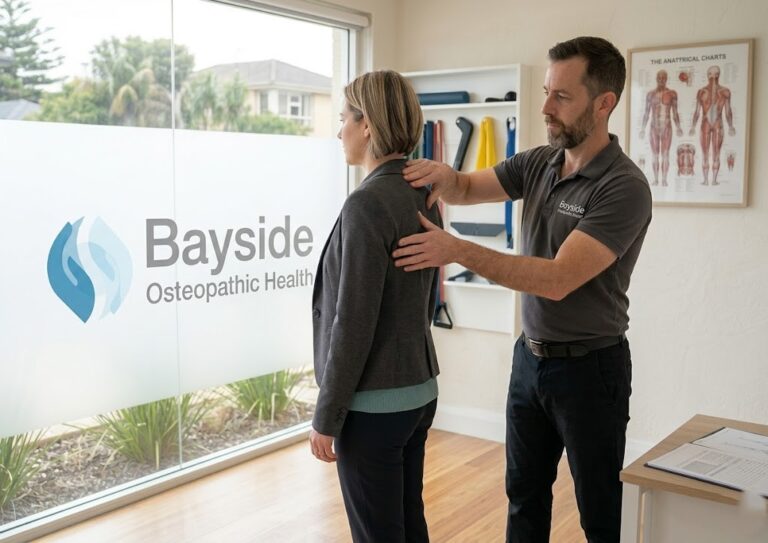
What tends to work best locally
People usually do well when they match the therapy to the problem:
- Short-term tension: A general massage can settle things quickly.
- Persistent sore spots: Remedial work is usually more targeted.
- Sport-related tightness: Sports massage can fit well around training and recovery.
- Ongoing back, neck, or joint pain: A broader musculoskeletal assessment often gives better direction than repeating the same massage each week without reassessment.
That's the difference between getting temporary relief and making sensible progress.
A Guide to Common Massage Types
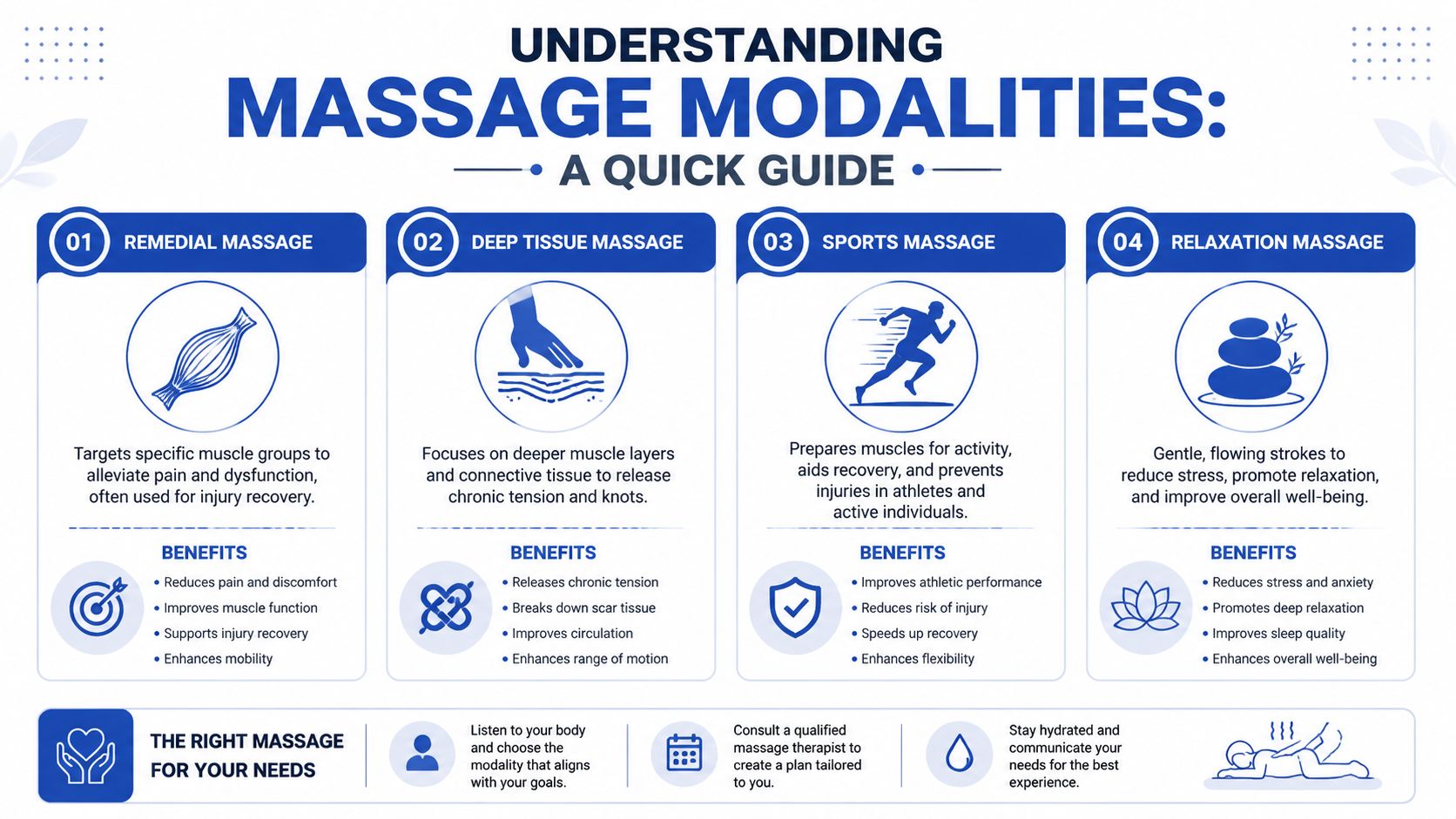
Walk into most clinics around Melbourne's north and you'll see similar terms on the booking page. Remedial, deep tissue, sports, and relaxation massage all sound familiar, but they aren't interchangeable. Choosing well matters because each one creates a different treatment experience and suits a different goal.
How each style feels in practice
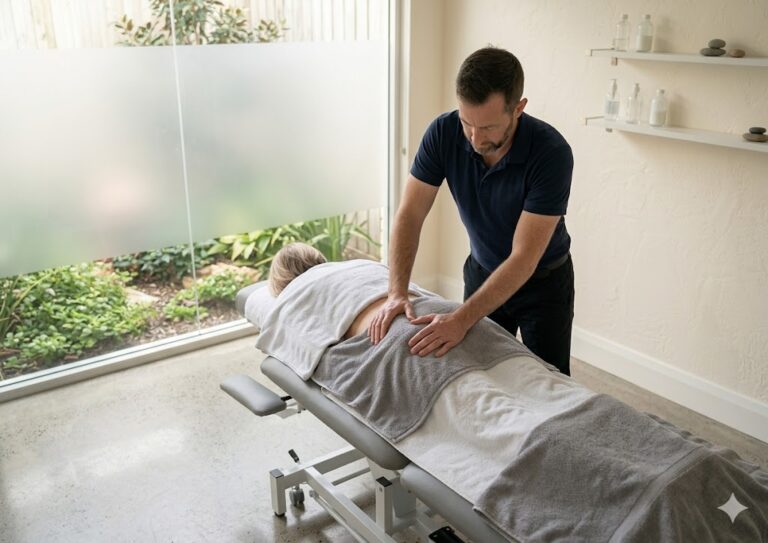
Remedial massage is the most useful starting point if you have a defined problem. Think of a shoulder that keeps gripping up, a one-sided neck ache, or a low back that's been stiff for weeks. The therapist works more specifically through restricted tissues, often combining focused pressure, stretching, and shorter treatment passes rather than broad flowing strokes. In metropolitan Victorian clinics, remedial sessions typically last 45 to 60 minutes and often use a patient-reported pressure intensity of 4 to 6 out of 10 to temporarily reduce stiffness and improve tissue perfusion.
Deep tissue massage isn't just “harder massage”. At its best, it's slower, more deliberate, and aimed at deeper layers of muscle and fascia. It can help when tension feels dense and longstanding. It's not ideal for everyone, though. If you're already irritated, inflamed, older, or guarding because of pain, more force isn't always more effective.
A good way to picture the difference is this. Remedial massage targets a problem. Deep tissue changes the depth and intensity of the approach.
You can also get a clearer visual sense of focused soft-tissue work in this remedial massage treatment image.
Sports massage is organised around activity. Sometimes that means loosening tissues before an event. Sometimes it means settling soreness and restoring movement after training. It tends to suit runners, gym-goers, cyclists, footballers, and anyone whose body load rises and falls around exercise.
Relaxation massage has a different job. It uses gentler, flowing work to calm the nervous system and lower general tension. If your body feels wrung out from stress, poor sleep, and mental overload, this style can be exactly right. It's not the best fit when you need a targeted approach to a specific mechanical problem.
Massage Therapy Comparison
| Therapy Type | Best For | Typical Pressure | Primary Goal |
|---|---|---|---|
| Remedial | Specific pain, tight areas, recovery support | Moderate and targeted | Improve function and reduce local restriction |
| Deep Tissue | Chronic tension, dense muscular tightness | Firm to strong, slower work | Reach deeper tissue layers and release stubborn tension |
| Sports | Training load, pre-event prep, post-activity recovery | Variable depending on timing and goal | Support performance and recovery |
| Relaxation | Stress, general muscle tension, winding down | Light to moderate | Calm the body and promote overall ease |
A useful booking question is: “Do I want to relax, or do I want to solve a specific problem?” That answer usually points you to the right modality.
Relief for Back Pain Posture and Arthritis
People don't usually book Pascoe Vale massage because they want a nicer hour. They book because something hurts, movement feels limited, or everyday tasks are getting more annoying than they should be.
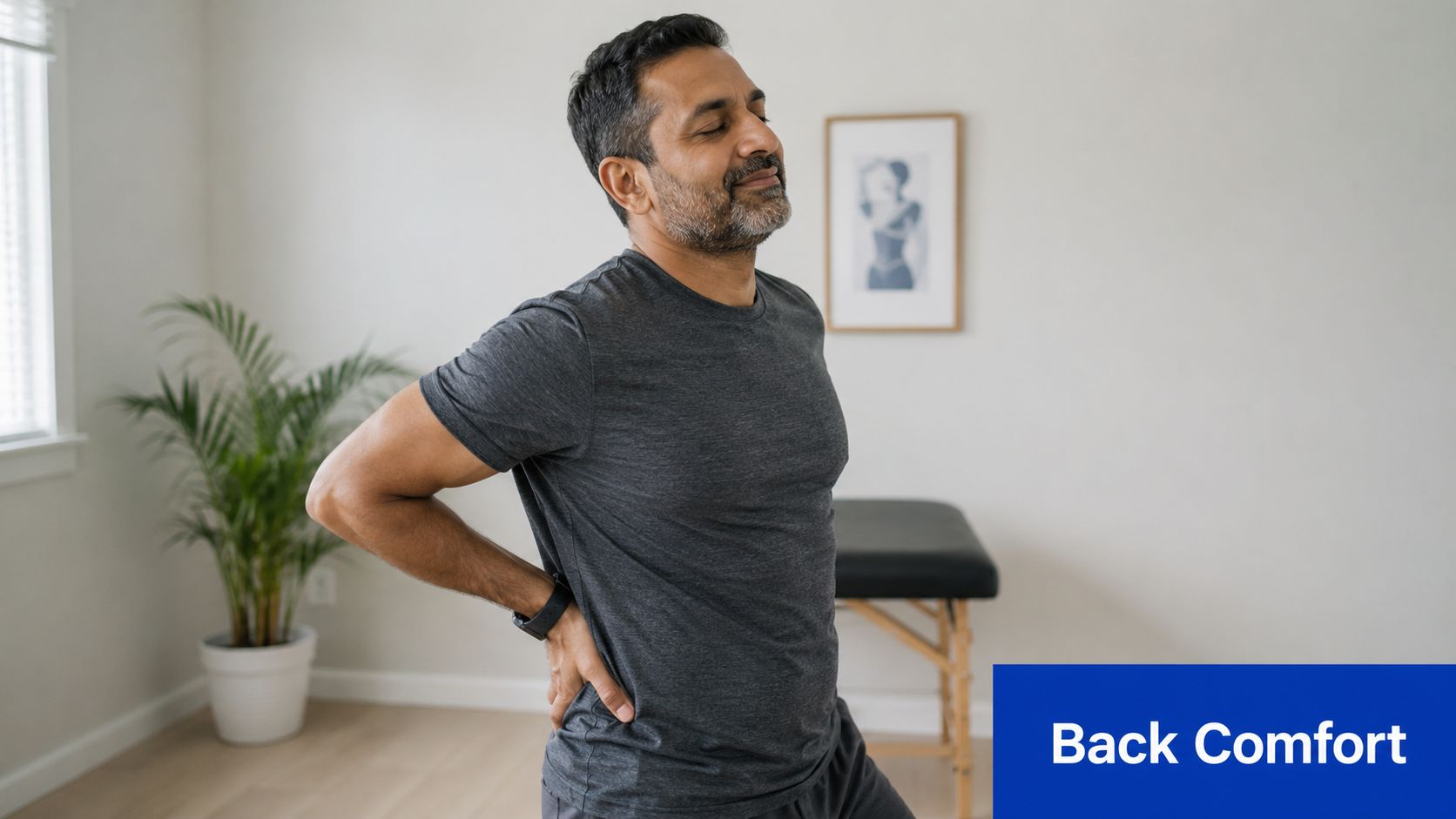
When massage helps low back pain
For chronic non-specific low back pain, massage can play a worthwhile supporting role. Evidence shows that a course of remedial massage, such as weekly sessions over 4 to 6 weeks, can lead to about a 15 to 25% reduction in self-reported pain scores. That matters because even modest pain reduction can make walking, sitting, sleeping, and daily tasks easier.
The mechanism is practical rather than magical. Focused soft-tissue work can reduce protective muscle overactivity, improve local movement, and temporarily make it easier for the nervous system to tolerate motion. That window matters. It often gives the person enough comfort to move better, exercise more confidently, and stop bracing every time they bend.
Massage tends to work best for low back pain when it's treated as an adjunct, not a stand-alone fix. If the same loads, habits, and movement patterns keep provoking the area, relief usually fades.
Postural strain and older joints need a lighter touch
Neck and shoulder tension from desk work often responds well to targeted manual therapy, especially around the upper trapezius, chest, neck base, and shoulder blade muscles. But the lasting result doesn't come from chasing knots forever. It comes from changing the setup that keeps recreating them, then using treatment to make those changes easier to tolerate.
For arthritis, the goal shifts slightly. Hands-on care generally isn't about “fixing” the joint. It's about easing surrounding muscle tension, improving comfort, and helping the person move with less guarding. Many older adults prefer a gentler style for that reason. Heavy pressure into irritable tissues can flare symptoms instead of helping.
Treatment necessitates careful judgement. A stiff spine in a younger runner and a painful arthritic shoulder in an older adult don't need the same approach. Looking at arthritis and joint mobility considerations can help frame why comfort, pacing, and movement advice matter as much as technique.
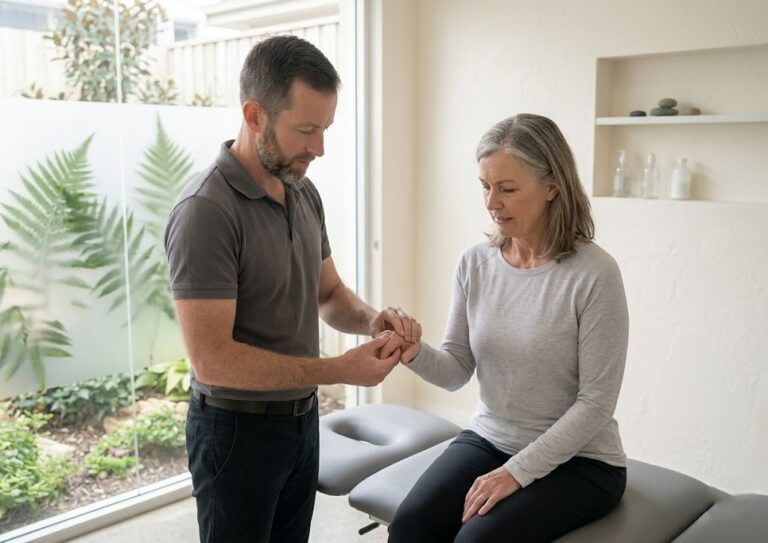
Massage often changes symptoms first. Function improves when treatment is followed by better movement, smarter loading, and less irritation between visits.
Massage vs Osteopathy Understanding the Difference
A lot of people aren't choosing between a good option and a bad one. They're choosing between two useful options with different jobs. That's where confusion starts.
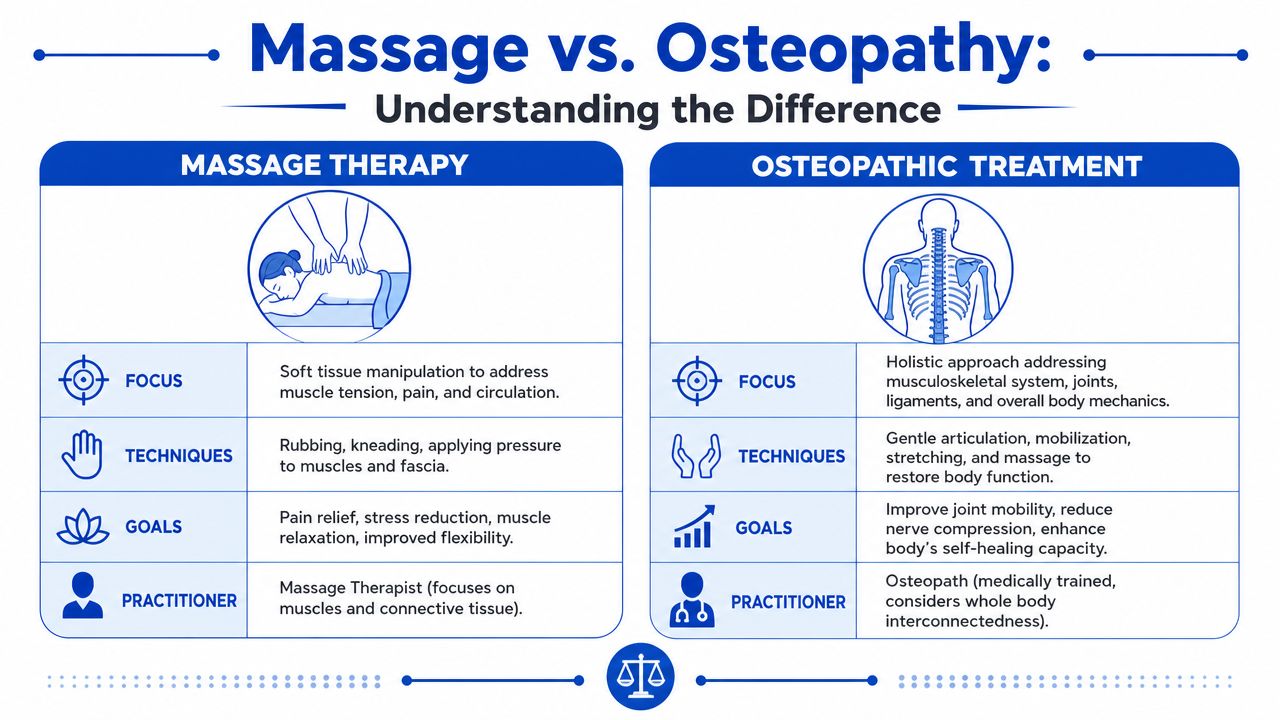
The simplest way to think about it
Massage therapy usually focuses on soft tissue symptoms. The therapist works through muscles and fascia to reduce tension, ease soreness, and improve comfort.
Osteopathy takes a broader musculoskeletal view. The practitioner looks at how joints are moving, how one area may be overloading another, how posture and daily activity contribute, and what needs to change so the pain is less likely to keep returning.
A practical analogy helps. Massage is like fixing the dented panel that's bothering you every time you look at the car. Osteopathy is more like checking whether the wheel alignment and suspension are causing the car to keep pulling to one side.
This short video gives a useful visual contrast between the two approaches.
When massage is enough and when it usually isn't
Massage is often enough when the problem is straightforward. A sore back after gardening. Tight calves after a race. Neck tension after a stressful week. In those situations, symptom-focused treatment can be exactly what the body needs.
It usually isn't enough when the problem is persistent, recurring, or linked to a movement issue. A shoulder that always tightens when you work at a desk. A back flare that returns every few weeks. Hip pain that changes how you walk. In those cases, treatment that includes assessment of movement, joint function, and customized exercises often produces more sustainable outcomes than repeated generic massage sessions alone.
If your pain keeps coming back in the same pattern, ask for a plan, not just a session.
That doesn't mean one profession replaces the other. It means the best choice depends on your goal. If you want short-term muscular relief, massage may be the right tool. If you want someone to assess why the problem keeps cycling and help you change it, osteopathy is often the better fit.
Your First Appointment and Choosing a Clinic
A first appointment shouldn't feel mysterious. Whether you're booking massage or another form of manual therapy, a good clinic makes the process clear, asks sensible questions, and adjusts treatment to your body rather than pushing the same routine onto everyone.
What a first visit should include
Expect a few basic things before any hands-on work starts:
- A proper history: They should ask what hurts, how long it's been happening, what makes it worse, and what helps.
- Questions about your health: Medications, recent injuries, surgeries, arthritis, headaches, pregnancy, and other relevant conditions all matter.
- A brief assessment: Even for massage, a therapist should look at how the area moves and whether certain positions reproduce symptoms.
- Clear consent: You should know what they plan to do, where they'll treat, and how pressure will be adjusted.
If the issue is chronic, recurring, or not clearly muscular, a clinic should be honest about that. Good practitioners don't promise to “release” everything in one session. They explain what's realistic.
What to check before you book
Don't choose a clinic on ambience alone. For pain and mobility problems, the better questions are practical.
- Relevant qualifications: Check the practitioner's training and whether they belong to an appropriate professional association for their field.
- Condition fit: Ask if they regularly treat back pain, posture-related neck pain, sports tightness, or arthritis, depending on your issue.
- Treatment style: Some clinics are very firm by default. Others adapt pressure carefully. If you dislike heavy work, say so before booking.
- Plan beyond the table: Ask what happens after the session. Will they suggest stretches, activity modification, or follow-up timing?
A useful phone question is simple: “I've got this problem. Is your clinic the right place to start?” The answer tells you a lot. A strong clinic gives a direct answer, not a sales pitch.
The best first appointment leaves you with two things. Some symptom relief, and a clearer idea of what to do next.
Booking Costs and Navigating Health Funds
Cost confusion stops plenty of people from getting help. They aren't sure what private health covers, whether Medicare applies, or which service makes the most financial sense if care might need to continue for a while.
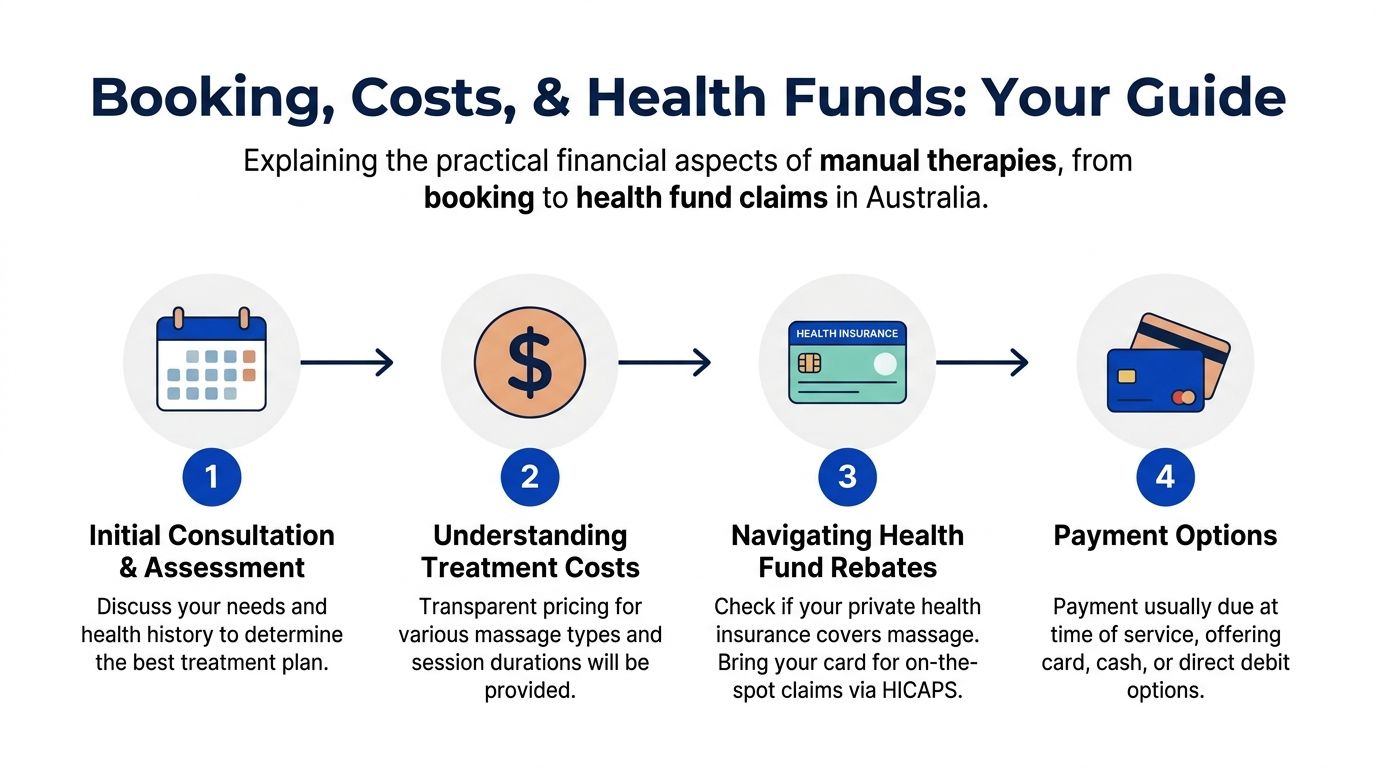
The first point to clear up is this. Most forms of massage are not covered by Medicare. They're usually paid out of pocket or claimed through private health extras, depending on your policy. By contrast, osteopathic care accessed through a GP-managed Chronic Disease Management plan can be partially subsidised, though eligibility depends on your circumstances and the service arrangement.
How to check cover without wasting time
A few steps save a lot of guesswork:
- Check your extras policy and look specifically for remedial massage or osteopathy.
- Ask the clinic what provider type they bill under. That matters for rebates.
- If your condition is ongoing, speak with your GP about whether a Chronic Disease Management plan is appropriate.
- Confirm the out-of-pocket cost before booking so you can plan care realistically.
Private health can help with some massage services, but it doesn't automatically mean unlimited support or the same rebate across clinic types. Medicare works differently and is generally more restricted.
Planning care you can actually sustain
This matters more than people think. A treatment only helps in the long run if you can stick with the part of the plan that changes your symptoms. For some people, that means an occasional massage plus self-management. For others, it means using partially subsidised osteopathic care to address a chronic problem more strategically.
If money is part of the decision, say so. A good practitioner should help you prioritise what's most useful, rather than nudging you into frequent passive treatment you can't maintain.
If you're dealing with ongoing back, neck, or joint pain and want a clearer plan than “just book a massage and see how it goes,” Bayside Osteopathic Health offers gentle, hands-on osteopathic care with practical guidance around movement, recovery, and Medicare options where applicable. It's a sensible place to start if you want treatment that aims beyond short-term relief and helps you move with more confidence.