

By 2 pm, I often hear the same pattern in clinic. A patient has pushed through the morning on coffee, eaten a quick lunch that was easy but low in protein and vegetables, then noticed more stiffness in the neck, lower back, hands, or knees by mid-afternoon. Food is not the only reason joints feel sore, but lunch can either support steadier movement or add to the load.
From an osteopathic perspective, a midday meal affects more than hunger. It influences energy, muscle function, blood sugar stability, and the inflammatory load your body has to manage through the rest of the day. A lunch built from fibre, protein, healthy fats, and colourful plant foods can help you feel more stable and comfortable, especially if you are already dealing with arthritis, age-related joint stiffness, or fatigue.
In Australia, vegetable intake remains low. The Australian Bureau of Statistics reports on fruit and vegetable consumption make that clear, which is one reason lunch is such a useful chance to improve what goes on the plate.
The ideas in this guide are practical, portable, and chosen with joint health in mind. Each one connects back to osteopathic principles by aiming to reduce inflammation, support mobility, and provide steady fuel without relying on heavily processed convenience foods. If lunch is usually rushed, pairing these meals with a few healthy packaged snacks that actually hold you over can make the whole afternoon easier to manage.
Table of Contents
- 1. Anti-Inflammatory Mediterranean Grain Bowl
- 2. Protein-Packed Leafy Green Salad with Grilled Chicken
- 3. Turmeric-Ginger Roasted Vegetable and Lentil Soup
- 4. Buddha Bowl with Tempeh and Roasted Root Vegetables
- 5. Omega-3 Rich Tuna Salad Lettuce Wraps with Sweet Potato
- 6. Slow-Cooker Bone Broth with Vegetables and Herbs
- 7. Balanced Protein Wrap with Whole Grain Tortilla and Vegetables
- 8. Salmon Salad with Quinoa, Avocado, and Citrus Dressing
- 9. Vegetable-Packed Egg Salad with Whole Grain Bread
- 10. Hearty Vegetable and White Bean Stew with Olive Oil and Herbs
- 10 Yummy Healthy Lunch Ideas Comparison
- Your Lunch Hour. A Daily Step Towards Wellbeing
1. Anti-Inflammatory Mediterranean Grain Bowl
A grain bowl is one of the easiest lunches to get right because it naturally brings together the three things that usually make a midday meal more satisfying: fibre, protein, and colour. For joint health, that matters. Meals built around whole grains, vegetables, legumes, fish, olive oil, and herbs tend to be easier to digest than a heavy takeaway lunch, and they support steadier energy through the afternoon.
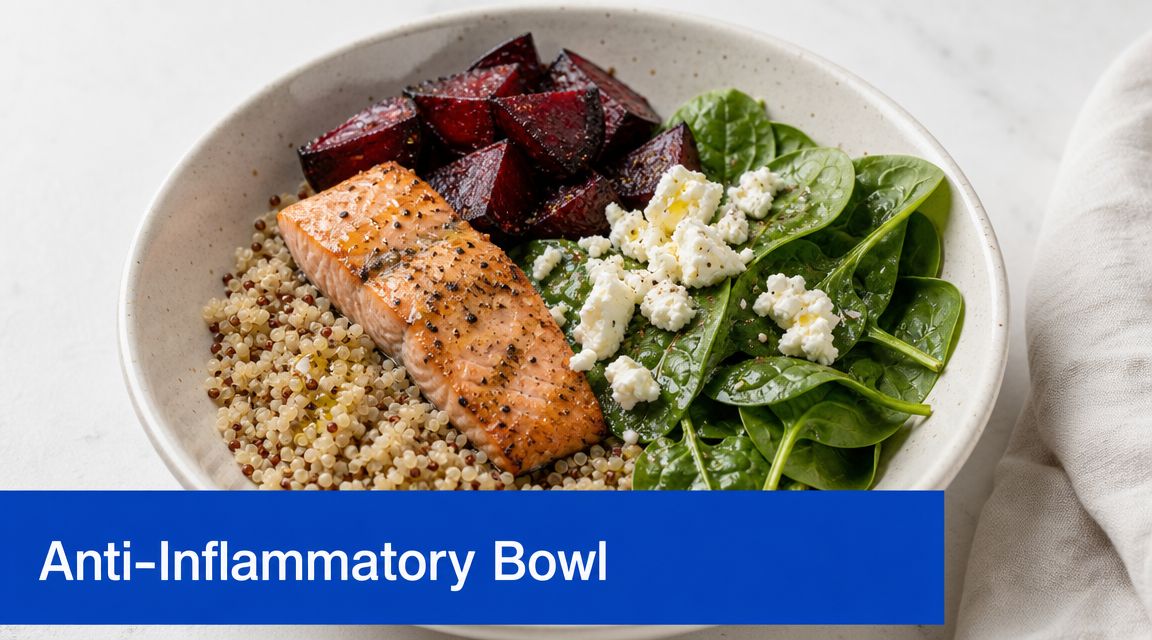
A simple version looks like quinoa with grilled salmon, spinach, roasted beetroot, cucumber, feta, and olive oil with lemon. If fish isn't practical that day, chickpeas work well. If you've got leftover brown rice and roast vegetables from dinner, use those instead.
Build It for Fullness and Joint Support
In practice, the bowl works best when one ingredient anchors each function. Grain for steady fuel. Protein for repair and satiety. Vegetables for volume and micronutrients. Healthy fat for flavour and staying power. Without that structure, many “healthy” bowls end up being mostly rice and dressing, which won't keep you full for long.
Practical rule: If your lunch won't keep you going until mid-afternoon, add protein first, not more sauce.
For older adults or anyone with hand pain, keep prep low-friction. Batch-cook the grain, buy pre-washed greens, and use roast vegetables from the night before. If chewing is tiring, choose softer ingredients such as flaked fish, cooked pumpkin, or well-cooked farro.
If you tend to reach for packaged snacks after lunch, pair this bowl with ideas similar to these healthier packaged snack options so your afternoon choices still support your joints rather than working against them.
2. Protein-Packed Leafy Green Salad with Grilled Chicken
You get to 1 pm, open your lunch, and it is mostly leaves. By 2:30, your energy dips, your shoulders creep up toward your ears, and the snack drawer starts calling. A proper lunch salad should prevent that, not cause it.
A better build starts with a generous base of baby spinach, rocket, or finely chopped kale, then adds enough chicken to make the meal satisfying, plus vegetables and a fat source that slows digestion. That combination helps keep blood sugar steadier and gives your body the protein and micronutrients it needs for tissue repair. For people managing joint pain or stiffness, that matters. Food will not replace treatment, but it can reduce some of the day-to-day strain that keeps inflammation simmering.
What Makes This Work Better Than a Basic Salad
From an osteopathic perspective, lunch should support muscle function as well as fullness. If you are dealing with neck tension, back pain, arthritic joints, or reduced mobility, under-eating at midday often shows up later as fatigue, poor posture, and less tolerance for movement. Protein helps maintain muscle. Colourful vegetables and olive oil add compounds associated with a lower inflammatory load. Practical meals like this can sit alongside other natural pain relief strategies for joint and muscle health.
The Australian Dietary Guidelines recommend a pattern built around vegetables, fruit, wholegrains, and lean protein foods. A chicken salad is one of the easier ways to put that into practice without needing a full meal prep session.
A few combinations work well:
- Classic office lunch: Spinach, grilled chicken, cucumber, tomato, sunflower seeds, olive oil, balsamic.
- More sustaining option: Kale, chicken, roast sweet potato, avocado, tahini dressing.
- Softer texture for older adults: Baby spinach, shredded chicken, roasted capsicum, grated carrot, crumbled feta.
For arthritis, small changes make a real difference. Use shredded or poached chicken if chewing is tiring. Swap raw onion for roasted vegetables if your gut is sensitive. If grip strength is limited, buy pre-washed greens and use a jar dressing with olive oil and lemon rather than chopping everything from scratch.
Cold salads also do not suit everyone. In clinic, I often suggest using warm chicken and roasted vegetables over greens in cooler months. You still get the fibre and protein, but the meal feels easier to eat and more satisfying.
3. Turmeric-Ginger Roasted Vegetable and Lentil Soup
Soup is underrated as a workday lunch. It's warming, easy to portion, and often better tolerated by people who don't want a big cold meal in the middle of the day. For joints that feel stiff or arthritic, a warm lunch can be especially comforting.
A lentil soup with turmeric, ginger, carrots, celery, sweet potato, and spinach is one of the better plant-based options because it combines fibre, plant protein, and a soft texture that's easy to eat. Roast the vegetables first if you want deeper flavour. Use red lentils for a smoother finish, or green lentils if you prefer more texture.
Best Modifications for Arthritis and Older Adults
This is a lunch I often like for patients who need something gentle, steadying, and easy to reheat. It travels well in a thermos, which means it suits both office workers and people at home who don't want to cook at midday.
Warm, softer meals are often easier on painful hands and tired jaws than hard salads or chewy wraps.
A few practical upgrades make a difference:
- Boost creaminess without heaviness: Stir in Greek yoghurt or a little coconut milk at the end.
- Support flavour naturally: Toast turmeric, ginger, cumin, and garlic briefly before adding liquid.
- Make it more filling: Add extra lentils or serve with a slice of grainy toast.
For people with arthritis, this kind of lunch often works better than convenience soups that are thin, salty, and low in substance. If you're already exploring natural approaches to pain relief, a soup like this fits well alongside hands-on care, movement advice, and more consistent meal timing.
4. Buddha Bowl with Tempeh and Roasted Root Vegetables
If you want a meat-free lunch that still feels substantial, tempeh is one of the best ingredients to learn. It has a firmer texture than tofu, a nuttier flavour, and it holds up well in meal prep. Paired with roasted root vegetables and grains, it makes one of the more reliable yummy healthy lunch ideas for people who need a portable lunch that satisfies.
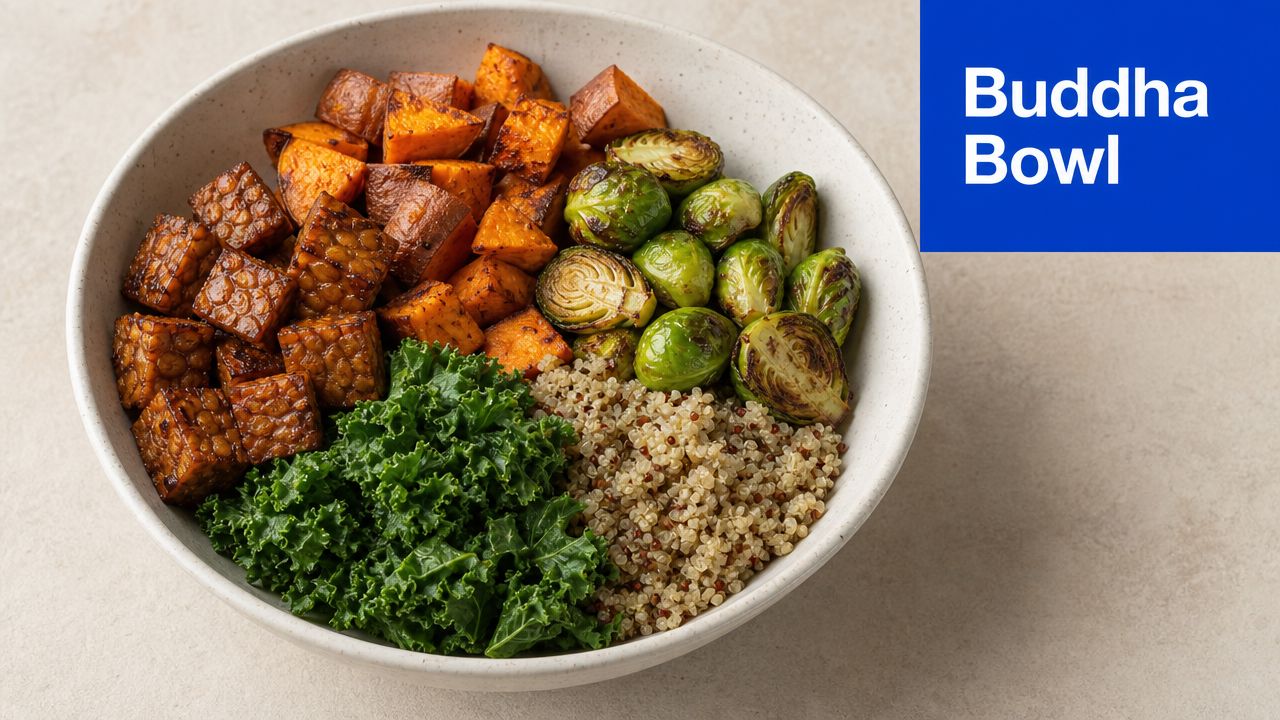
A practical bowl might include quinoa, marinated tempeh, roasted sweet potato, Brussels sprouts, kale, and tahini with lemon. Another version could use farro, beetroot, carrots, chickpeas, and mustard vinaigrette.
How to Keep It Plant-Based and Satisfying
Plant-based lunches sometimes miss the mark because they lean too heavily on roasted vegetables and not enough on protein. That leaves people full for an hour, then flat. Tempeh solves some of that problem, especially when you marinate it in tamari, ginger, and a little sesame oil before pan-searing or baking.
Taste preferences matter here. Some people love tempeh straight away. Others need stronger seasoning and crisp edges before they enjoy it. Don't force yourself to eat bland cubes just because they're healthy.
This quick visual shows a simple way to prepare a bowl like this at home.
For older adults, choose softer roasted vegetables such as pumpkin, carrot, or sweet potato, and cut the tempeh into smaller pieces. If digestion feels sensitive, start with a smaller serve of tempeh and pair it with more cooked vegetables than raw greens.
5. Omega-3 Rich Tuna Salad Lettuce Wraps with Sweet Potato
This is a good lunch for days when you want something fresh but not heavy. Tuna mixed with Greek yoghurt, celery, dill, lemon, and a little mustard has more brightness than the usual mayonnaise-heavy version, and serving it in lettuce leaves keeps the meal crisp rather than stodgy.
On its own, tuna salad in lettuce can be too light for many adults. That's why the sweet potato matters. A few roasted rounds or wedges on the side turn this into a more complete meal and reduce the chance of an afternoon energy slump.
When This Lunch Works Best
This is especially handy for warmer weather, work-from-home days, or anyone who doesn't enjoy bread-based lunches every day. The texture contrast also suits people who are tired of salads but still want something vegetable-forward.
A few combinations that work well:
- Classic version: Tuna, Greek yoghurt, celery, dill, lemon, cos lettuce, roasted sweet potato.
- Brinier version: Tuna, avocado mayo, red onion, capers, butter lettuce, roast beetroot.
- Softer version: Tuna, Greek yoghurt, grated cucumber, parsley, soft lettuce cups, roasted carrots.
In osteopathic practice, I often see people who are eating “light” lunches but still feel inflamed, tired, and snacky by late afternoon. Often the issue isn't that lunch was too large. It's that it lacked enough substance. Add the sweet potato, and this meal becomes far more useful.
6. Slow-Cooker Bone Broth with Vegetables and Herbs
You get to lunchtime, your joints feel stiff, your appetite is patchy, and another cold salad is the last thing you want. This is the kind of day a slow-cooker broth earns its place. A bowl of bone broth with vegetables and herbs is warm, practical, and often easier to tolerate than a dense lunch, especially in colder weather or during a flare.
A basic version can include chicken bones, carrots, celery, onion, garlic, thyme, bay leaf, and turmeric. For a more useful meal, add shredded chicken, white beans, barley, mushrooms, or silverbeet. The broth gives comfort, but the protein, fibre, and vegetables are what make it satisfying enough to carry you through the afternoon.
From an osteopathic perspective, lunch should support the whole person, not just fill a gap in the day. Warm, easy-to-eat meals can be a good fit for people with arthritis, reduced appetite, fatigue, or hand pain that makes chopping and assembly harder. They also suit older adults who do better with softer textures and steady hydration. That whole-body approach sits at the centre of osteopathic care that supports optimal health.
Bone broth itself is often overhyped. I prefer a more grounded view. It can be a helpful base for lunch because it is soothing, fluid-rich, and simple to batch cook. On its own, though, it is usually too light. If patients tell me they are hungry again an hour later, the fix is usually straightforward. Add beans, chicken, lentils, or a grain, and make sure there are enough vegetables in the bowl to turn it into a real meal.
This lunch also works well for home-based routines. The Australian Bureau of Statistics reported on work-from-home patterns during the pandemic period, and many households kept some of those lunch habits because simple, prep-ahead meals are easier to manage across a busy week. A slow cooker helps here. It reduces prep demands, uses affordable ingredients, and gives you several portions without much effort.
If hand pain or low energy makes cooking difficult, use frozen chopped vegetables and a pre-cooked protein. If chewing is tiring, cook the vegetables until very soft and skip fibrous greens. If sodium is a concern, choose an unsalted broth base or dilute it and season at the table.
7. Balanced Protein Wrap with Whole Grain Tortilla and Vegetables
Wraps are popular because they're portable, tidy, and easy to eat between meetings. They're also one of the easiest lunches to get wrong. A wrap filled mostly with sauce and soft ingredients can become a high-energy, low-satiety meal very quickly.
The better approach is to treat the wrap as a structure, not the meal itself. Start with a whole grain tortilla, then add a clear protein source, crunchy vegetables, and a flavour layer such as hummus, mustard, or lemon tahini. Grilled chicken with spinach and capsicum works. So does turkey with avocado and cucumber, or black beans with roasted vegetables and Greek yoghurt.
How to Stop Wraps from Becoming a Soft Beige Lunch
This format suits office workers because it's neat and portable, but it also aligns with what many people currently want from healthy food. Tastewise reports that 42.9% want foods labelled healthy to support energy or muscular performance, 39.14% want mental clarity or focus, and 38.37% want gut or digestive health support. That points to lunches that do a job, not just look virtuous.
For osteopathic patients, that usually means enough protein to avoid the post-lunch crash, enough fibre to support fullness, and fewer ultra-processed extras that leave you feeling puffy or unsatisfied. That whole-body view is central to understanding osteopathy as a path to optimal health, and lunch is one place where it becomes very practical.
Useful wrap fixes:
- Pack wet ingredients separately: This prevents sogginess.
- Choose crunch on purpose: Capsicum, cucumber, carrot, or shredded cabbage improve satisfaction.
- Use spread lightly: Too much hummus or sauce makes the wrap heavy and messy.
8. Salmon Salad with Quinoa, Avocado, and Citrus Dressing
You get to 1 pm, your back feels stiff from sitting, and you need a lunch that settles you rather than sending you into an energy dip. This is one of the better options. It combines protein, fibre, and anti-inflammatory fats in a way that supports steadier energy and can fit well alongside osteopathic care for joint pain and mobility.
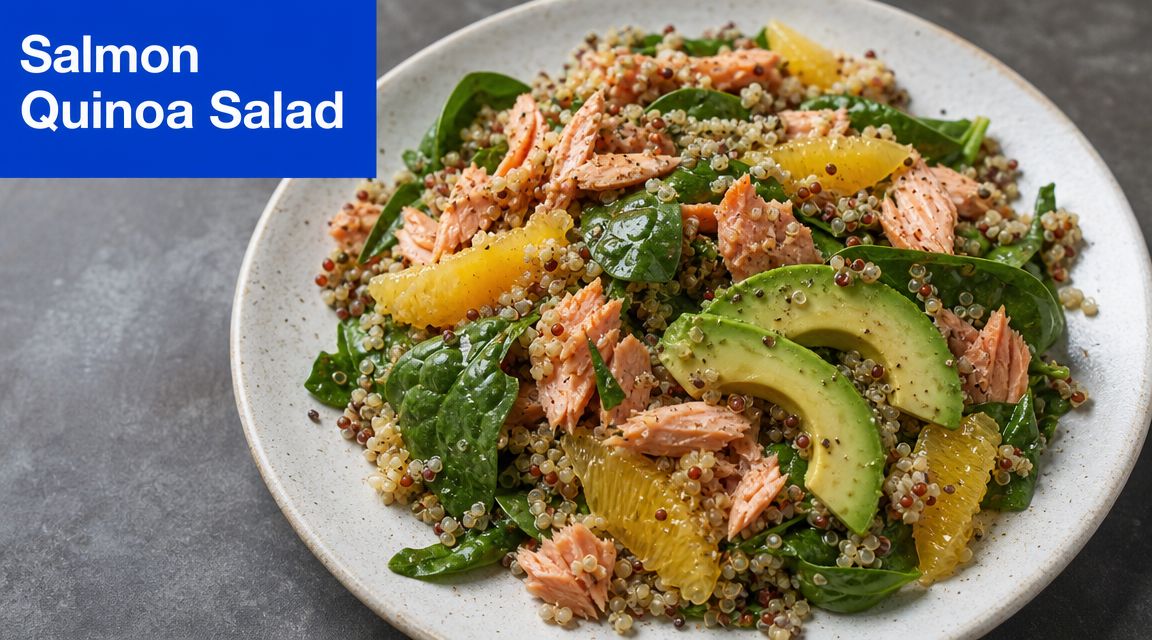
A practical bowl includes flaked salmon, cooked quinoa, baby spinach, avocado, cucumber, and a lemon-orange dressing with olive oil. Radish or rocket adds a peppery edge if you like more texture. Citrus segments also work well, especially if you want brightness without a heavy sauce.
A Better Choice for Afternoon Energy
From an osteopathic perspective, this lunch does more than look balanced. Salmon provides omega-3 fats, which are useful for people managing inflammatory joint symptoms. Quinoa adds slow-release carbohydrate and some extra protein, which helps many adults avoid the sharp hunger that leads to grazing on whatever is nearby. Avocado and olive oil improve satisfaction, so the meal feels complete rather than restrictive.
That matters in practice. The Australian Bureau of Statistics reports that almost two in three Australian adults are living with overweight or obesity, and lunches that keep people full tend to be easier to repeat than light meals that leave them hunting for snacks an hour later.
There are trade-offs. Salmon can be more expensive than chicken or eggs, so using tinned salmon is a sensible option. If reheated fish puts you off, serve it chilled and dress the salad just before eating. For arthritis, keep the prep gentle on the hands by buying microwave quinoa, using pre-washed greens, and choosing skinless boneless salmon.
For older adults, softer textures usually work better. Poached or baked salmon is often easier to chew than a firmer pan-fried fillet. Keep the quinoa moist, cut cucumber and avocado into smaller pieces, and use extra dressing if dry foods are tiring to eat.
9. Vegetable-Packed Egg Salad with Whole Grain Bread
Egg salad deserves better than its usual reputation. The version many people remember is heavy, pale, and a bit flat. A fresher version with chopped eggs, Greek yoghurt, celery, herbs, mustard, and spring onion is completely different. It's inexpensive, easy to prepare ahead, and reliable on busy weeks.
Serve it on whole grain bread, in a wrap, or in lettuce cups if you prefer something lighter. Add tomato, cucumber, baby spinach, or grated carrot so the meal has some crunch and colour.
Easy Tweaks That Improve Texture and Nutrition
For busy workers and older adults alike, this is one of the simplest lunches to keep in regular rotation. Boil eggs ahead of time, keep a tub of the filling in the fridge, and assemble when needed. If your morning is rushed, that matters.
What improves this meal most isn't a special ingredient. It's adding vegetables generously and being restrained with the creamy part. A half-yoghurt, half-mashed-avocado blend works well too.
Try these easy builds:
- Classic sandwich: Egg, Greek yoghurt, celery, dill, grainy bread.
- Softer option: Egg, avocado, baby spinach, tomato, wrap.
- Extra crunch: Egg, red onion, pickle, parsley, lettuce cups.
This lunch also suits people who need something familiar. Not every healthy meal has to feel like a project. Consistency often comes from simple foods you'll eat.
10. Hearty Vegetable and White Bean Stew with Olive Oil and Herbs
On cooler days, a bean stew often works better than a salad because it brings warmth, fibre, and comfort in one bowl. White beans become soft and creamy when simmered with tomatoes, celery, carrots, zucchini, garlic, and herbs. Finished with extra virgin olive oil, the result is filling without being overly heavy.
This is a good lunch for people who want a mostly plant-based option that still feels substantial. It also reheats well, which makes it realistic for batch cooking.
Why This Suits Cooler Days and Stiffer Joints
There's a wider food trend behind this style of lunch too. The global health and wellness food market was valued at USD 962.32 billion in 2024 and is projected to reach USD 1,989.01 billion by 2032 at a 9.5% CAGR. The same reporting highlights affordable nutrition, precision nutrition, and clean labels. In plain terms, people want food that supports health, makes sense financially, and isn't full of ingredients they don't recognise.
That's exactly why a white bean stew works so well. Tinned beans, frozen vegetables, passata, onion, garlic, and herbs can produce a highly nourishing lunch without relying on expensive wellness products.
For long-term joint care, the best lunch is usually the one you can afford, prepare, and repeat.
For arthritis or reduced appetite, keep the vegetables soft and cut them small. If you need more protein, stir in shredded chicken or add a spoonful of grated parmesan. If bloating is an issue, start with a smaller serve of beans and increase gradually.
10 Yummy Healthy Lunch Ideas Comparison
| Option | Implementation (🔄) | Resources & Prep (⚡) | Expected outcomes (⭐) | Results / Impact (📊) | Ideal use cases & tips (💡) |
|---|---|---|---|---|---|
| Anti-Inflammatory Mediterranean Grain Bowl | Moderate: batch-cook grains and assemble bowls | Moderate: whole grains, fresh produce, quality olive oil, fish or legumes | ⭐ Reduces inflammation; sustained energy | 📊 Improved mobility and weight management over time | 💡 Office lunch; prep grains in bulk, keep dressing separate |
| Protein-Packed Leafy Green Salad with Grilled Chicken | Low to moderate: cook chicken ahead, quick assembly | Low: lean chicken, leafy greens, minimal cooking | ⭐ Supports muscle maintenance and posture | 📊 Higher satiety, reduced afternoon fatigue | 💡 Desk worker staple; grill chicken in advance, follow 60/25/15 ratio |
| Turmeric-Ginger Roasted Vegetable and Lentil Soup | Low: one-pot batch cooking, spice toasting recommended | Low: lentils, spices, root veg; freezer-friendly | ⭐ Potent anti-inflammatory and gut-supporting effects | 📊 Symptom relief for arthritis; convenient meal prep | 💡 Cooler months; toast spices, add black pepper for curcumin absorption |
| Buddha Bowl with Tempeh and Roasted Root Vegetables | Moderate: marinate tempeh, roast vegetables | Moderate: tempeh (fermented), grains, oven time | ⭐ Complete plant protein with probiotic benefits | 📊 Improved nutrient diversity and satiety | 💡 Vegan-friendly; marinate tempeh, store components separately |
| Omega-3 Rich Tuna Salad Lettuce Wraps with Sweet Potato | Low: mix tuna and assemble wraps | Low: canned wild tuna, Greek yogurt, lettuce, sweet potato | ⭐ High EPA/DHA anti-inflammatory impact | 📊 Reduced inflammatory markers; low-carb energy | 💡 Quick office option; choose low-mercury tuna, use sturdy lettuce |
| Slow-Cooker Bone Broth with Vegetables and Herbs | Low active effort but long cook time (12 to 24h) 🔄 | Low hands-on: quality bones, slow cooker, basic veg | ⭐ Provides collagen and amino acids for connective tissue | 📊 Supports joint repair and recovery over time | 💡 Batch-cook; use grass-fed or wild bones, add vinegar to extract minerals |
| Balanced Protein Wrap with Whole Grain Tortilla and Vegetables | Very low: quick assembly (5 to 10 min) | Low: tortillas, cooked protein, veggies, spreads | ⭐ Balanced macronutrients; blood sugar stability | 📊 Portable steady energy; prevents mid-afternoon hunger | 💡 Busy schedules; pack wet ingredients separately, choose sprouted tortillas |
| Salmon Salad with Quinoa, Avocado, and Citrus Dressing | Moderate: gentle cooking of salmon, fresh assembly | Moderate to high: wild-caught salmon, quinoa, fresh produce | ⭐ Exceptional omega-3s and antioxidants for healing | 📊 Strong anti-inflammatory effects; supports collagen synthesis | 💡 Treat or regular lunch; choose wild salmon, assemble just before eating |
| Vegetable-Packed Egg Salad with Whole Grain Bread | Low: boil eggs in advance, mix and assemble | Low: eggs, Greek yogurt, whole grain bread or wraps | ⭐ Complete protein, cognitive support (choline) | 📊 Supports muscle maintenance and satiety | 💡 Quick prep; replace half mayo with yogurt, store boiled eggs up to 1 week |
| Hearty Vegetable and White Bean Stew with Olive Oil and Herbs | Moderate: sauté aromatics and simmer; good for batching | Low to moderate: dried or canned beans, vegetables, quality olive oil | ⭐ High fiber and polyphenols; anti-inflammatory | 📊 Improves digestion and blood sugar stability | 💡 Economical batch meal; use canned beans for convenience, finish with EVOO |
Your Lunch Hour. A Daily Step Towards Wellbeing
A supportive lunch doesn't have to be complicated, restrictive, or expensive. It just needs to do its job well. From an osteopathic point of view, that means helping your body maintain steadier energy, better muscle support, and less reliance on highly processed foods that can leave you feeling sluggish, puffy, or uncomfortable. Food won't fix every source of pain, but it can absolutely influence how you feel through the day and how well your body copes with stress, posture, and movement demands.
That's one reason lunch deserves more attention than it usually gets. In Australia, the quality of the midday meal matters for population health as well. The National Health Survey found that 65.0% of Australian adults were overweight or obese in 2022. A healthier lunch isn't just about cutting calories. It's about building a meal around vegetables, fibre-rich grains, and protein so you stay fuller, snack less mindlessly, and support cardiometabolic health over time.
The lunches above follow that logic in slightly different ways. Grain bowls and salmon salads suit people who want freshness without losing satiety. Soups and stews suit colder days, arthritis, and anyone who tolerates warm meals better. Wraps, egg salad, and tuna lettuce cups are practical for workdays when convenience matters most. The common thread is structure. Include vegetables. Add a clear protein source. Use wholefood fats and fibre. Keep the meal simple enough that you'll repeat it.
If you're an older adult, softer textures, pre-cut vegetables, gentler flavours, and batch cooking often make healthy eating far more realistic. If you work at a desk, lunch can also become part of your recovery routine. A balanced meal, eaten away from your screen if possible, often supports better afternoon concentration and less of the hunched, fatigued posture that builds after hours of sitting.
The most useful change is usually not dramatic. It's replacing one low-quality lunch you eat often with one better option you enjoy. Then repeat it. That kind of consistency tends to help more than chasing novelty every week.
If joint pain, stiffness, or postural strain is affecting your day, osteopathic care can work well alongside these kinds of practical food changes. Hands-on treatment, movement guidance, and realistic lifestyle strategies often support each other. Lunch is one small daily decision, but over time, it can become a meaningful part of how you feel and move.
If you'd like personalised support for joint pain, arthritis, neck tension, back discomfort, or posture-related strain, Bayside Osteopathic Health is here to help. Our team provides gentle, individualized osteopathic care and practical advice you can apply at home, including lifestyle strategies that support better movement and day-to-day wellbeing.